EN
EN


What are the benefits of using a PoE-powered machine vision camera for simplified cabling?
A PoE machine vision camera delivers power and data through a single Ethernet cable, fundamentally changing how industrial imaging systems are designed and deployed. For engineers and system integrators working in factories, warehouses, or inspection lines, this single-cable architecture removes many of the traditional burdens that come with conventional camera installations. The PoE machine vision camera is quickly becoming a preferred choice wherever cable simplicity and deployment speed matter most.
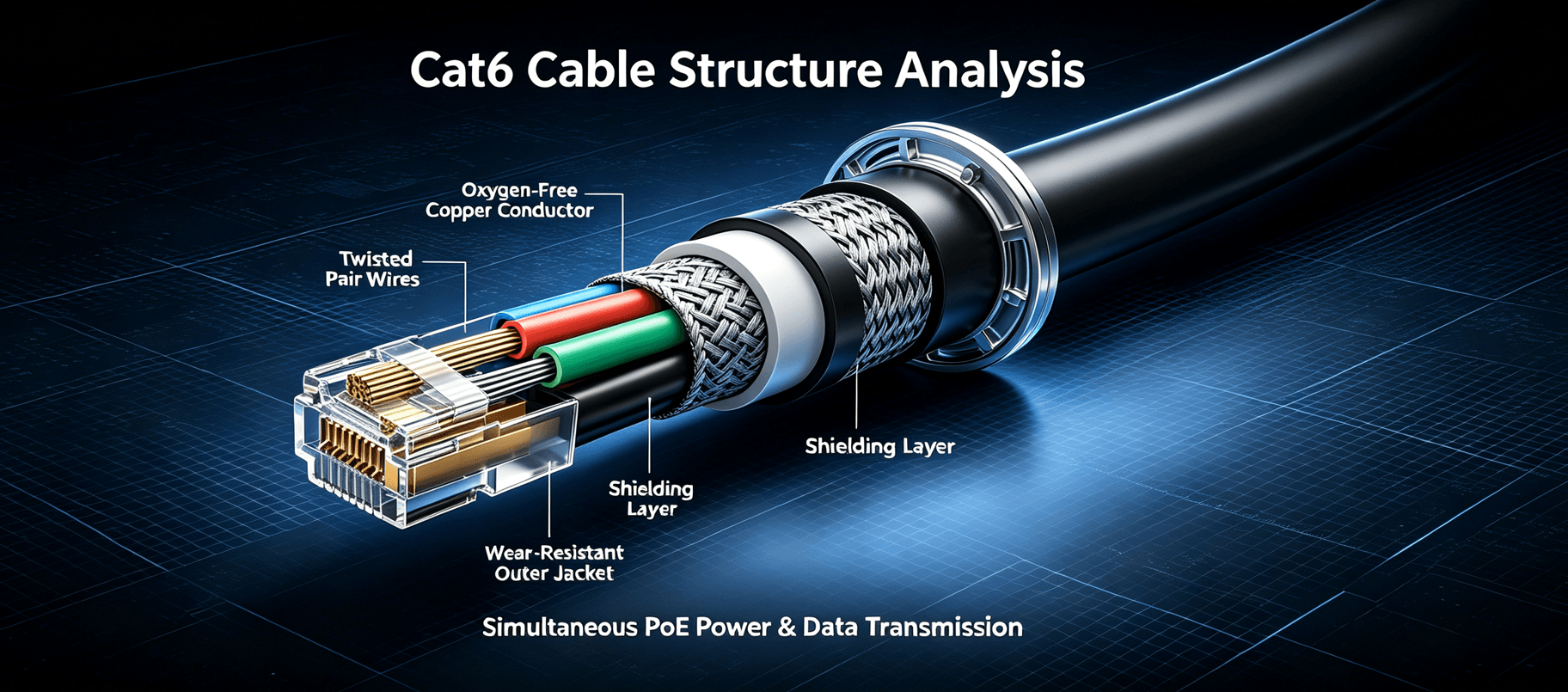
Understanding the specific benefits of a PoE machine vision camera helps industrial buyers make confident decisions when upgrading or building new vision systems. From reduced wiring complexity to greater installation flexibility, the PoE machine vision camera addresses real operational pain points that teams face every day on the production floor. This article explores those benefits in practical detail so you can evaluate whether a PoE machine vision camera fits your application.
Simplified Cabling and Lower Installation Cost
Single-Cable Power and Data Transmission
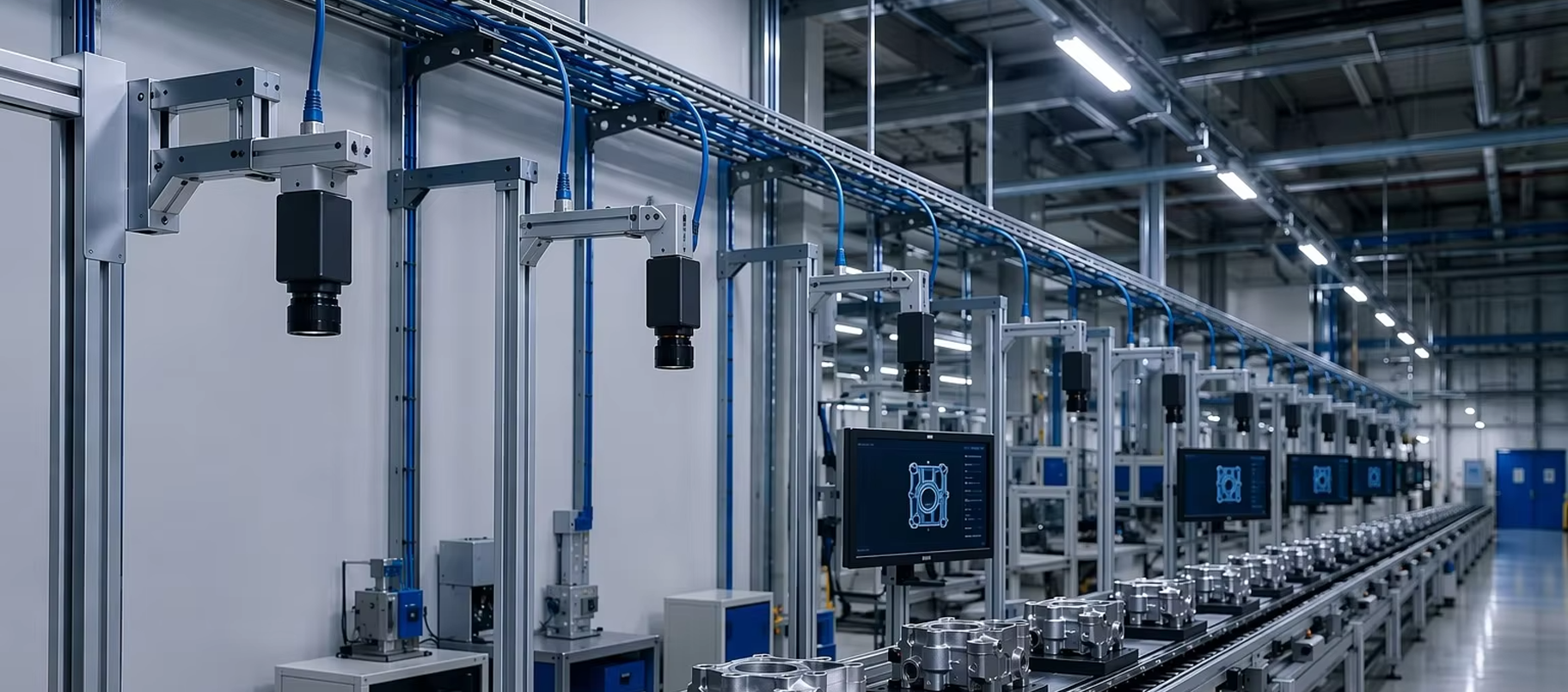
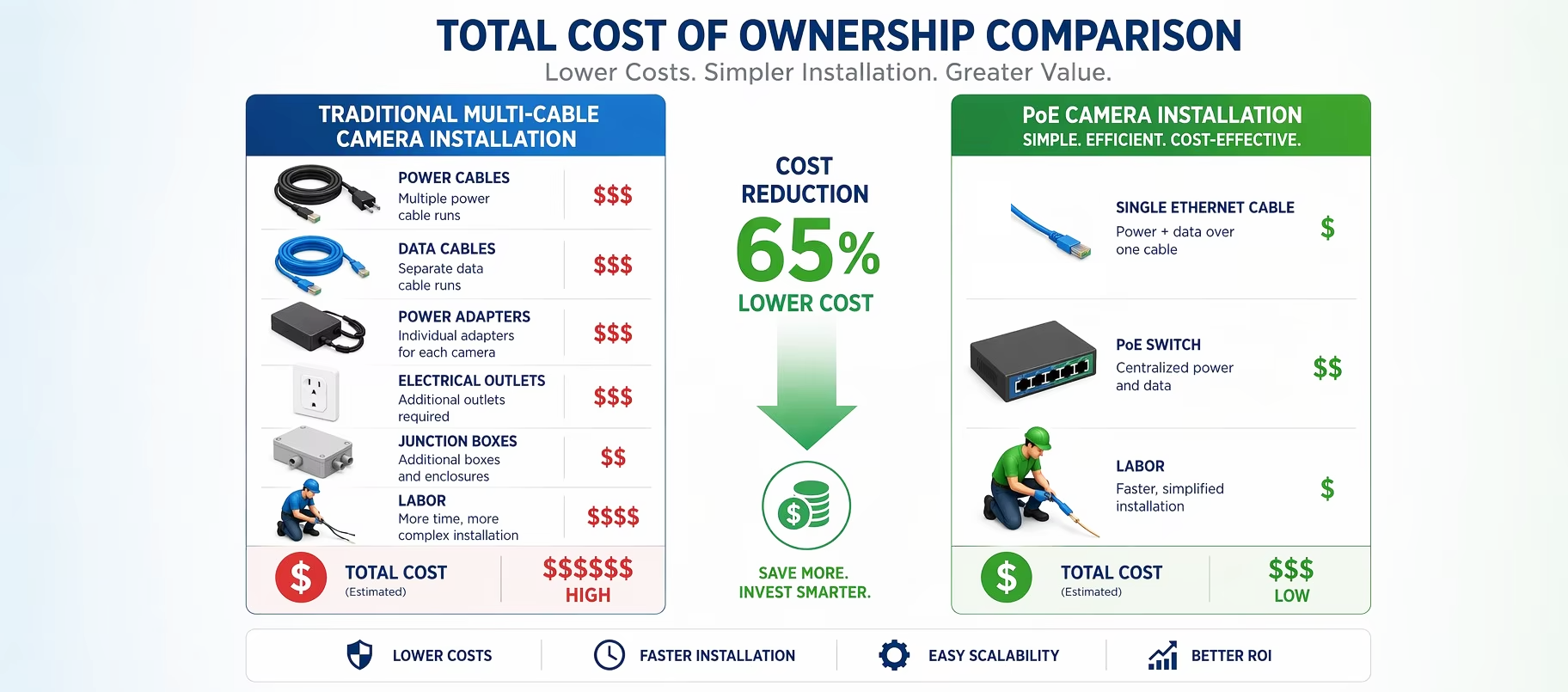
The defining advantage of a PoE machine vision camera is that it combines power delivery and data transmission into one standard Ethernet cable. Traditional machine vision setups require separate power cables, data cables, and often additional connectors or breakout boxes at each camera position. A PoE machine vision camera eliminates the need for a dedicated power supply at each mounting point, which directly reduces both material cost and installation time. When you multiply these savings across dozens of camera positions on a large production line, the efficiency gains become very significant.
A PoE machine vision camera connects directly to a PoE-capable network switch, and the switch delivers both power and network access simultaneously. This means technicians installing a PoE machine vision camera do not need an electrician to wire a separate power outlet near each camera. The reduced cable count also results in tidier cable management, lower risk of wiring errors, and a cleaner overall system architecture that is easier to document and maintain.
Faster Deployment in Dynamic Environments
In manufacturing environments where camera positions change frequently due to product line changes or layout redesigns, the PoE machine vision camera offers a clear advantage. Relocating a PoE machine vision camera only requires moving a single Ethernet cable rather than dismantling multiple cable runs. This makes the PoE machine vision camera particularly valuable in flexible automation cells, collaborative robot stations, and modular assembly lines where reconfiguration is routine. Teams can redeploy a PoE machine vision camera quickly without waiting for electrical work, reducing downtime and keeping projects on schedule.
Centralized Power Management and System Reliability
Power Delivered from a Central Switch
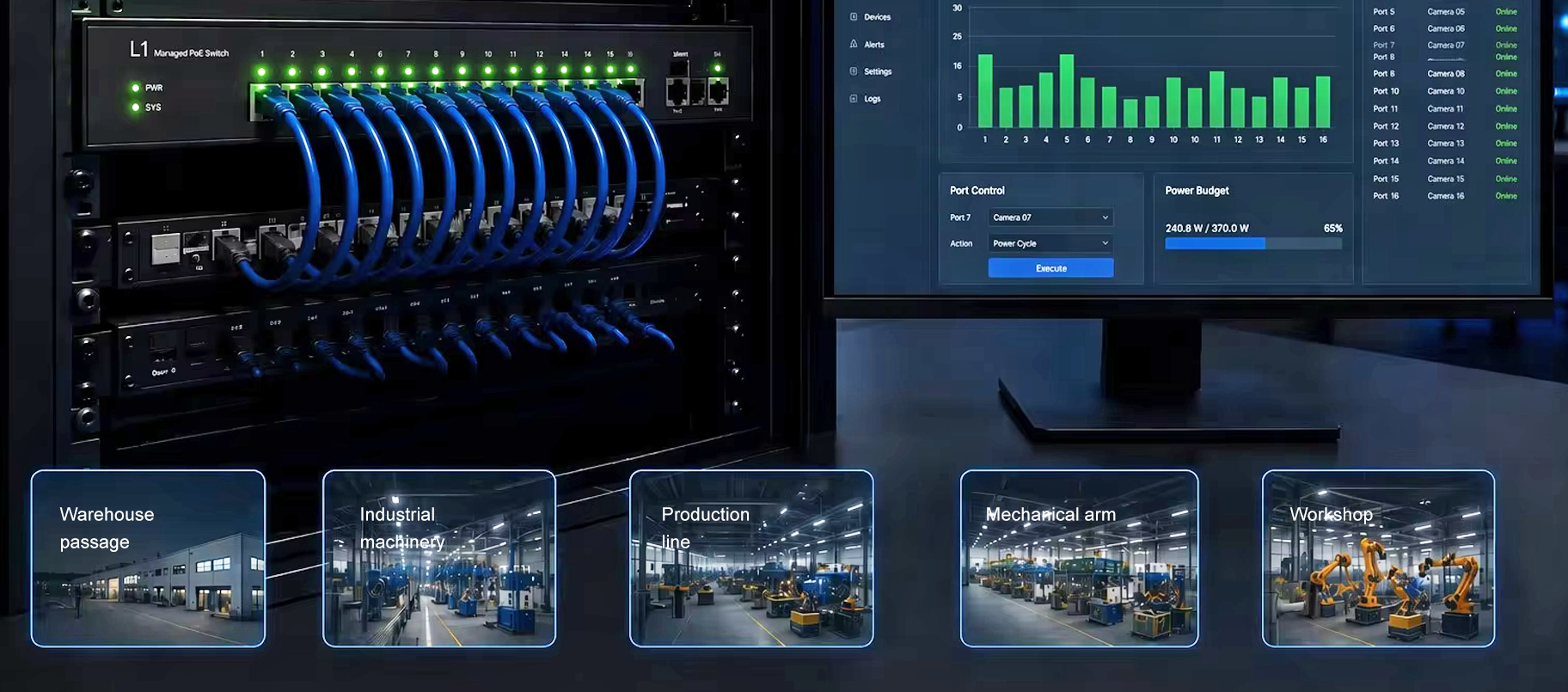
When using a PoE machine vision camera, power is sourced from a central PoE switch rather than from individual wall outlets or local power adapters. This centralized approach gives facility managers much better visibility and control over power consumption across all connected PoE machine vision camera units. Many managed PoE switches provide per-port power monitoring, allowing teams to track the power draw of each PoE machine vision camera individually. This level of insight is difficult to achieve when each camera relies on its own isolated power supply.
Centralized power also makes it easier to implement uninterruptible power supply protection for an entire network of PoE machine vision camera units at once. Instead of connecting individual UPS devices to each camera station, a single UPS protecting the central switch keeps every PoE machine vision camera online during a power disturbance. This architecture improves overall system uptime and simplifies the power protection strategy significantly for large-scale deployments.
Remote Power Cycling and Diagnostics
A managed PoE switch allows operators to remotely power-cycle a specific PoE machine vision camera without physically accessing the camera. This remote control capability is particularly useful when a PoE machine vision camera experiences a software hang or network connectivity issue during production. Rather than sending a technician to the factory floor, the operator can reset the PoE machine vision camera from the control room in seconds. This reduces response time, minimizes production interruptions, and lowers maintenance labor costs over the lifetime of the system.
Flexibility in Camera Placement and Network Integration
Placement Without Power Outlet Constraints
One of the most practical benefits of a PoE machine vision camera is the freedom it gives system designers when choosing camera mounting positions. Without the constraint of needing a nearby power outlet, a PoE machine vision camera can be positioned precisely where the application demands it, whether that is inside a machine enclosure, on a ceiling-mounted gantry, or along a conveyor line where outlets are not available. This placement freedom often leads to better imaging angles, improved inspection coverage, and higher overall system performance. The PoE machine vision camera essentially decouples camera location from electrical infrastructure, which is a meaningful design advantage.
Standard Ethernet cabling for a PoE machine vision camera can run up to 100 meters without signal degradation, offering substantial reach across large factory floors. When longer distances are required, network switches can be used as intermediate nodes, extending the reach of each PoE machine vision camera further while maintaining reliable data throughput. This scalability makes the PoE machine vision camera suitable for both compact inspection stations and large-area monitoring applications.
Seamless Integration with Industrial Networks
A PoE machine vision camera connects natively to Gigabit Ethernet networks, the same infrastructure already present in most modern industrial facilities. This means integrating a PoE machine vision camera into an existing plant network is straightforward, with no need for proprietary interfaces or specialized hardware. IT and automation teams can manage a PoE machine vision camera using standard network tools, simplifying configuration, firmware updates, and remote access. The compatibility of the PoE machine vision camera with standard networking protocols reduces integration friction and accelerates commissioning timelines.
FAQ
Does a PoE machine vision camera require special cabling?
A PoE machine vision camera works with standard Cat5e or Cat6 Ethernet cables, which are widely available and easy to install. No special proprietary cabling is required, making the PoE machine vision camera straightforward to source and deploy in most industrial environments.
What is the typical power budget for a PoE machine vision camera?
Most PoE machine vision camera models operate within the IEEE 802.3af standard, which provides up to 15.4 watts per port, or the IEEE 802.3at standard offering up to 30 watts. Choosing the right PoE standard depends on the specific power requirements of the PoE machine vision camera model selected for your application.
Can a PoE machine vision camera be used outdoors or in harsh environments?
Yes, a PoE machine vision camera designed with an appropriate IP-rated enclosure can be deployed in harsh or outdoor environments. The single-cable design of the PoE machine vision camera is actually advantageous in these settings, as fewer cable entry points reduce the risk of moisture or contaminant ingress into the installation.