EN
EN


Tại Sao Các Dự Án Thị Giác Máy Thường Trở Nên Không Ổn Định Hơn Về Sau Trong Vòng Đời Của Chúng?
Trong một hệ thống thị giác máy, nguồn sáng xác định nền tảng tạo ảnh, còn bộ điều khiển xác định độ ổn định của quá trình tạo ảnh. Trong nhiều dự án, kết quả khả quan có thể đạt được ngay từ giai đoạn đầu, nhưng sau đó hệ thống lại trở nên không ổn định. Thường thì nguyên nhân gốc rễ không nằm ở camera hay thuật toán, mà do đánh giá thấp vai trò của khâu điều khiển nguồn sáng.
Trong thực tế -các dự án thực tế, phần lớn sự chú ý thường tập trung vào camera, ống kính, thuật toán và loại nguồn sáng, trong khi bộ điều khiển lại nhận được sự quan tâm đáng kể ít hơn. Hệ quả là: hiệu suất tốt trong phòng thí nghiệm, nhưng các vấn đề bắt đầu xuất hiện ngay khi hệ thống được triển khai tại hiện trường khách hàng, vận hành trong thời gian dài hoặc hoạt động ở tốc độ chu kỳ cao.
Các triệu chứng phổ biến bao gồm:
● Độ sáng ảnh dao động
● Độ đồng nhất kém giữa các lô sản xuất khác nhau
● Thời gian phản hồi chiếu sáng chậm trong các lần kích hoạt tốc độ cao
● Kết quả kiểm tra bị trôi lệch sau thời gian vận hành dài
● Nguồn sáng nóng lên đáng kể và tuổi thọ bị giảm nhanh
Trên bề mặt, những vấn đề này dường như là 'vấn đề hình ảnh', nhưng về bản chất, nhiều trong số chúng bắt nguồn từ việc lựa chọn bộ điều khiển không phù hợp.
tôi. Tại sao bộ điều khiển ngày càng trở nên quan trọng trong các hệ thống thị giác máy?
Trong những năm gần đây, một sự chuyển dịch rõ rệt đã diễn ra trong lĩnh vực thị giác máy: trọng tâm của khách hàng đã chuyển từ câu hỏi 'liệu hệ thống có thể kiểm tra được hay không?' sang 'liệu hệ thống có thể kiểm tra một cách đáng tin cậy trong thời gian dài hay không?'
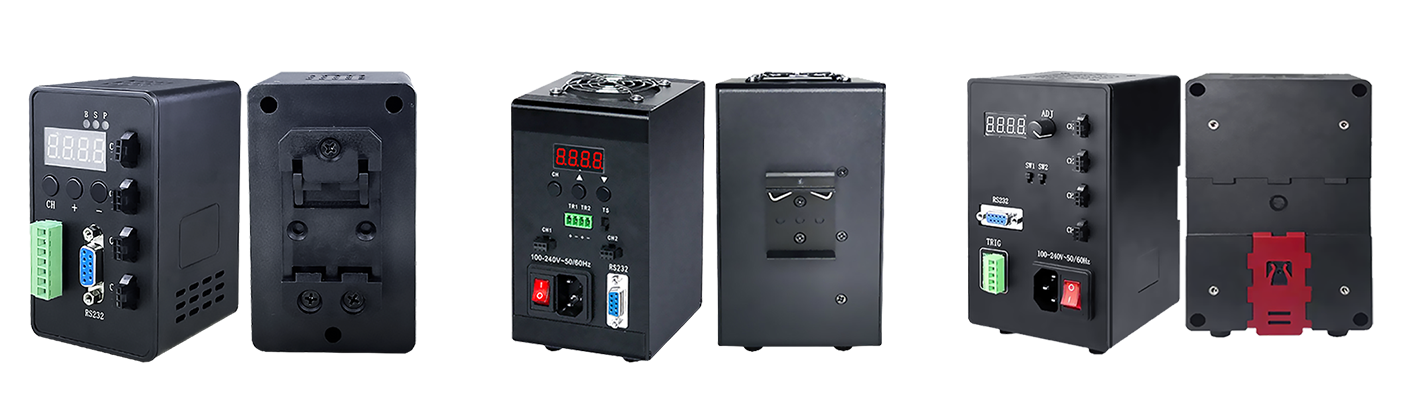
Đặc biệt trong các ngành công nghiệp như điện tử 3C, bán dẫn, năng lượng mới, linh kiện ô tô, bao bì và dược phẩm, yêu cầu dự án thường vượt xa việc chỉ thu nhận hình ảnh. Các yêu cầu đó bao gồm:
● Hoạt động ổn định trong thời gian dài -dài
● Đầu ra nhất quán ở tốc độ chu kỳ cao
● Hình ảnh đồng nhất trên nhiều trạm và nhiều lô sản xuất
● Tần suất bảo trì thấp hơn
● Hiệu suất sử dụng năng lượng tốt hơn và quản lý nhiệt hiệu quả hơn
Trong bối cảnh này, tầm quan trọng của bộ điều khiển đã gia tăng đáng kể.
Bộ điều khiển không đơn thuần chỉ cấp điện cho nguồn sáng; thực tế, nó thực hiện nhiều nhiệm vụ cốt lõi:
● Cung cấp đầu ra ổn định cho nguồn sáng
● Cho phép điều chỉnh độ sáng tinh vi
● Đồng bộ hóa việc kích hoạt đồng thời với máy ảnh
● Quản lý công suất đỉnh so với công suất hoạt động liên tục
● Giảm thiểu các dao động do quá nhiệt và các điều kiện bất thường gây ra
Xét từ góc độ hệ thống, bộ điều khiển là mắt xích then chốt kết nối giải pháp quang học với độ ổn định trong thực tế.
Ii. Tại sao nhiều vấn đề hình ảnh về bản chất lại là những vấn đề điều khiển?
Một quan niệm sai lầm phổ biến trong các ứng dụng thị giác máy: khi chất lượng hình ảnh kém, người ta thường nghi ngờ đầu tiên đến máy ảnh, ống kính và thuật toán. Trên thực tế, bộ điều khiển thường nên là một trong những thành phần đầu tiên cần được kiểm tra.
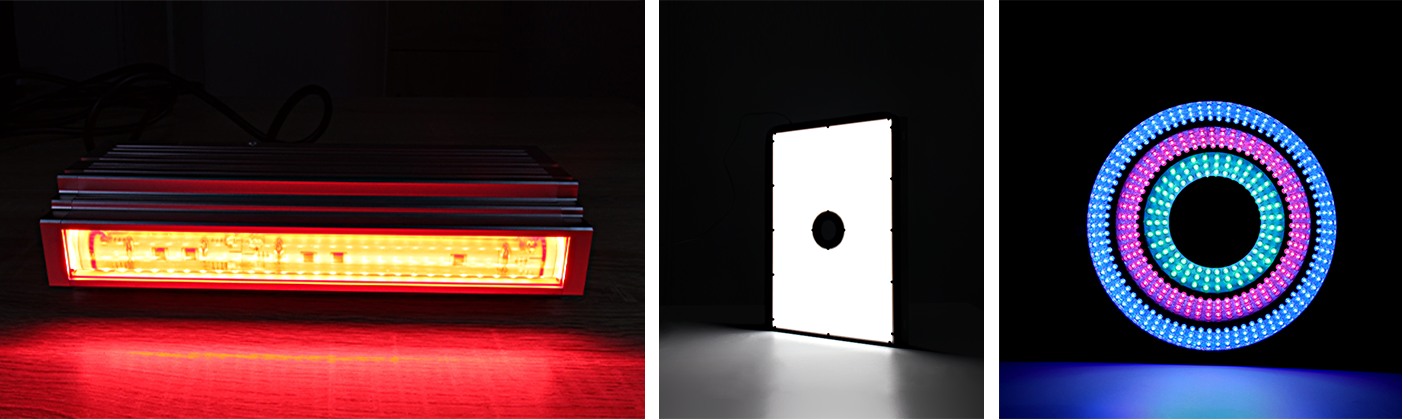
Lý do rất đơn giản. Nếu đầu ra của bộ điều khiển không ổn định, thì độ sáng, đáp ứng và trạng thái nhiệt của nguồn sáng đều bị ảnh hưởng, và mỗi thay đổi như vậy đều trực tiếp phản ánh lên hình ảnh.
2.1 Dao động đầu ra gây ra trực tiếp sự không nhất quán về mức xám
Đối với các tác vụ như đo kích thước, định vị/nhận dạng và phát hiện khuyết tật, tính nhất quán về mức xám của ảnh là cực kỳ quan trọng. Nếu dòng điện hoặc điện áp đầu ra của bộ điều khiển không ổn định, kết quả trực tiếp nhất là cường độ ánh sáng dao động, dẫn đến:
● Giá trị ngưỡng không ổn định
● Kết quả trích xuất cạnh thay đổi
● Độ tương phản khuyết tật giảm
● Khả năng lặp lại của thuật toán kém
Trong nhiều dự án, vấn đề không nằm ở độ bền vững của thuật toán chưa đủ, mà ở tín hiệu đầu vào từ phía trước không ổn định.
2.2 Tốc độ đáp ứng không đủ gây ảnh hưởng tiêu cực đến các ứng dụng tốc độ cao
Trong các ứng dụng như chụp ảnh bay qua tốc độ cao, đóng băng chuyển động với thời gian phơi sáng ngắn và đồng bộ hóa theo tín hiệu kích hoạt bên ngoài, khả năng đáp ứng của bộ điều khiển là yếu tố then chốt. Nếu bộ điều khiển thiếu khả năng đáp ứng đèn nhấp nháy, tốc độ tăng của sườn lên hoặc tính nhất quán khi đồng bộ, sẽ phát sinh các vấn đề sau:
● Độ sáng không đủ trong cửa sổ phơi sáng
● Cạnh sau bị mờ
● Không thể ghi lại các chi tiết tinh vi
● Tỷ lệ nhận dạng giảm khi tốc độ chu kỳ tăng lên
Ở bề ngoài, những hình ảnh này trông giống như “hình ảnh không rõ nét”, nhưng nguyên nhân gốc rễ là bộ điều khiển không khai thác được hết tiềm năng thực sự của nguồn sáng.
2.3 Độ trôi nhiệt khiến hệ thống “hoạt động tốt lúc đầu, nhưng sau đó gặp sự cố”
Nhiều dự án kiểm tra ban đầu cho kết quả tốt, nhưng sau vài giờ vận hành liên tục, chất lượng hình ảnh bắt đầu dao động. Những vấn đề như vậy thường có liên hệ trực tiếp với việc quản lý nhiệt.
Nếu bộ điều khiển thiếu cơ chế quản lý nhiệt hiệu quả, khi thời gian vận hành tăng lên, nhiệt độ của nguồn sáng và phía mạch điều khiển sẽ tăng lên, có thể gây ra:
● Giảm khả năng đầu ra
● Độ sáng thay đổi theo thời gian
● Độ ổn định kém
● Thời gian sử dụng nguồn sáng bị rút ngắn
Do đó, nhiều "vấn đề xuất hiện sau một thời gian" không phải là các sự cố ngẫu nhiên; chúng bắt nguồn từ việc thiếu xem xét đầy đủ khả năng vận hành liên tục của bộ điều khiển trong giai đoạn thiết kế.
Iii. Các thông số kỹ thuật chính nào của bộ điều khiển cần đánh giá?
Từ góc nhìn ứng dụng thị giác máy, việc lựa chọn bộ điều khiển không nên chỉ dựa trên tiêu chí "liệu nó có bật được đèn hay không?". Thay vào đó, hãy tập trung vào các khía cạnh sau.
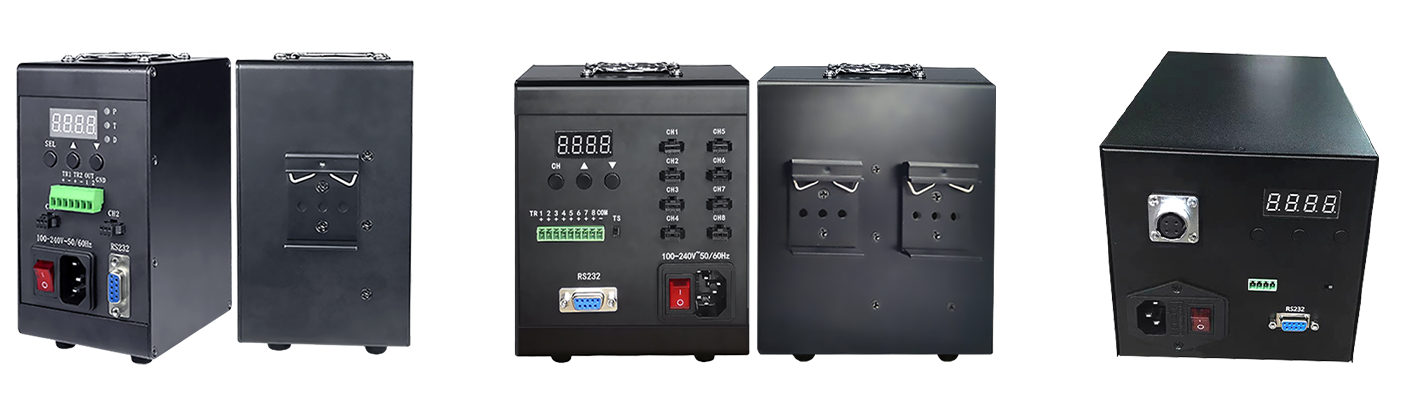
3.1 Khả năng đầu ra có thực sự đáp ứng yêu cầu của nguồn sáng hay không?
Đây là yêu cầu cơ bản nhất. Giá trị đầu ra tối đa của bộ điều khiển ít nhất phải đáp ứng được nhu cầu thực tế của nguồn sáng, và lý tưởng nhất là nên có một khoảng dự phòng.
Đặc biệt trong những tình huống sau, tuyệt đối không lựa chọn theo nguyên tắc "vừa đủ":
● Cao -các nguồn sáng công suất cao
● Cao -các ứng dụng nhấp nháy theo tần số
● Đa -vận hành đồng thời nhiều kênh
● Dài -thời gian hoạt động liên tục
● Ngắn -mức độ phơi sáng cao -ứng dụng máy ảnh tốc độ cao
Nếu thiết kế nguồn điện quá hạn chế, hệ thống có thể hoạt động được trong phòng thí nghiệm, nhưng khi kết hợp các yếu tố như nhiệt độ tăng cao, biến đổi tải, hoạt động liên tục và các điều kiện thực tế khác, các vấn đề rất dễ phát sinh.
3.2 Độ chính xác và dải điều chỉnh độ sáng có đủ hay không?
Trong thị giác máy, việc điều khiển độ sáng không phải là giới thiệu “thô hơn là tốt hơn” – mà là “có khả năng điều khiển cao hơn thì tốt hơn.” Đặc biệt trong các tác vụ nhạy cảm với độ tương phản như kiểm tra khuyết tật bề mặt, nhận dạng ký tự và xác định vị trí cạnh, việc điều chỉnh độ sáng một cách tinh tế thường là yêu cầu bắt buộc.
Hiệu suất điều chỉnh độ sáng chủ yếu ảnh hưởng đến hai yếu tố:
● Hiệu quả hiệu chỉnh tại hiện trường
● Khả năng tái tạo hình ảnh nhất quán
Nếu các bước điều chỉnh độ sáng của bộ điều khiển quá thô, kỹ sư tại hiện trường sẽ gặp khó khăn trong việc tối ưu hóa hình ảnh. Nếu khả năng lặp lại kém, ngay cả khi các thông số đã được ghi lại, kết quả giống nhau cũng không thể tái tạo được trên các thiết bị khác nhau hoặc các lô sản xuất khác nhau.
3.3 Phản hồi kích hoạt và đồng bộ hóa có đáp ứng các yêu cầu về tần số chu kỳ không?
Đối với các dự án dây chuyền sản xuất tốc độ cao, bộ điều khiển phải đạt được khả năng đồng bộ đáng tin cậy với máy ảnh, PLC hoặc hệ thống chủ. Điều này không chỉ đơn thuần là ‘có thể kích hoạt được’; mà còn yêu cầu:
● Độ trễ phản hồi có thể điều khiển được
● Tín hiệu chớp đầu ra ổn định
● Độ nhất quán cao giữa các lần kích hoạt liên tiếp
● Không suy giảm hoặc lệch pha khi vận hành ở tần số -cao
Những khả năng này trực tiếp quyết định liệu bộ điều khiển có phù hợp cho các tình huống chụp ảnh tốc độ -cao hay không.
3.4 Các cơ chế quản lý nhiệt và bảo vệ có toàn diện không?
Khả năng quản lý nhiệt thường bị bỏ qua trong nhiều dự án, nhưng thực tế đây là yếu tố rất quan trọng. Một bộ điều khiển phù hợp cho môi trường công nghiệp thường yêu cầu các tính năng bảo vệ và quản lý khá toàn diện, ví dụ như:
● Trong suốt -bảo vệ nhiệt độ
● Trong suốt -bảo vệ dòng điện
● Giám sát đầu ra
● Cảnh báo khi xảy ra sự cố bất thường
● Kiểm soát điện năng ổn định trong quá trình vận hành dài hạn
Những khả năng này có thể không trông giống như 'các thông số kỹ thuật hình ảnh', nhưng chúng lại quyết định xem hệ thống có thể được triển khai một cách đáng tin cậy hay không.
IV. Một tình huống điển hình trong ngành công nghiệp: Tại sao hiệu suất trong phòng thí nghiệm lại suy giảm khi đưa vào dây chuyền sản xuất?
Tình huống này rất phổ biến trong thị giác máy (machine vision).
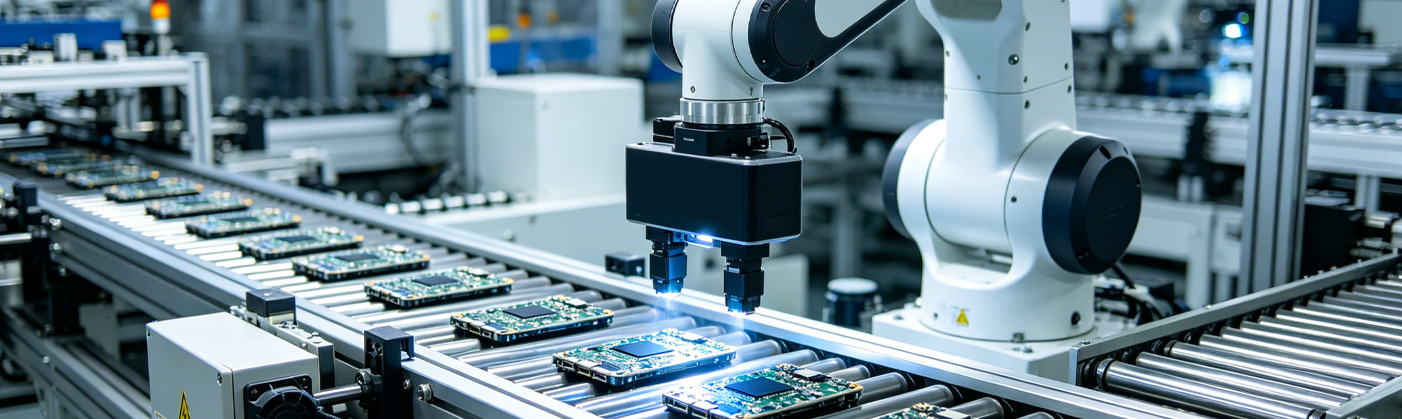
Lấy ví dụ về kiểm tra ngoại quan các linh kiện 3C. Trong giai đoạn xác nhận ban đầu tại phòng thí nghiệm, số lượng mẫu thử hạn chế, nhiệt độ môi trường ổn định và thời gian chạy ngắn — hệ thống thường hoạt động gần như lý tưởng. Tuy nhiên, ngay khi thiết bị được đưa vào vận hành thực tế, điều kiện thay đổi mạnh mẽ:
● Tỷ lệ chu kỳ vận hành cao hơn
● Thời gian vận hành liên tục dài hơn
● Nhiệt độ môi trường thay đổi
● Sự khác biệt giữa các mẻ phôi
● Tần số kích hoạt cao hơn giữa camera và nguồn sáng
Nếu bộ điều khiển gặp một trong các vấn đề sau:
● Dự phòng đầu ra không đủ
● Đáp ứng tần số cao ở mức trung bình
● Quản lý nhiệt kém
● Khả năng lặp lại khi điều chỉnh độ sáng thấp
Khi đó, hệ thống dễ gặp hiện tượng dao động hình ảnh, dẫn đến phát hiện sai, bỏ sót khuyết tật hoặc phải điều chỉnh lại thông số nhiều lần.
Đây là lý do vì sao nhiều dự án thất bại không phải vì “giải pháp lựa chọn là sai”, mà do kỹ thuật hệ thống chưa đầy đủ. Nguồn sáng phù hợp đã được chọn, nhưng bộ điều khiển lại không được phối hợp tương thích, cuối cùng làm giảm hiệu quả tổng thể của hệ thống.
V. Từ góc độ ứng dụng: Tại sao bộ điều khiển không còn có thể được coi là một “phụ kiện”?
Trong một số dự án trước đây, bộ điều khiển thường được xem là một thành phần ngoại vi — miễn là nó có thể điều khiển nguồn sáng là đủ. Tuy nhiên, khi độ phức tạp của các ứng dụng thị giác máy ngày càng gia tăng, quan điểm này đang trở nên ngày càng kém phù hợp.
Bởi vì bộ điều khiển giờ đây không chỉ ảnh hưởng đến hành động chiếu sáng mà còn tác động đến các chỉ số then chốt của toàn bộ hệ thống:
● Độ ổn định hình ảnh
● Chất lượng dữ liệu đầu vào cho các thuật toán
● Hiệu quả hiệu chỉnh dự án
● Khả năng vận hành liên tục của thiết bị
● Tuổi thọ nguồn sáng và chu kỳ bảo trì
● Tiềm năng mở rộng và nâng cấp trong tương lai
Nói cách khác, mặc dù bộ điều khiển không trực tiếp tham gia vào quá trình xử lý ảnh, nhưng nó lại trực tiếp quyết định việc chất lượng đầu vào cho xử lý ảnh có ổn định hay không. Và một khi đầu vào phía trước trong hệ thống thị giác máy tính trở nên không ổn định, ngay cả phần nền mạnh nhất cũng chỉ có thể thực hiện các biện pháp kiểm soát thiệt hại.
VI.việc lựa chọn bộ điều khiển về cơ bản là xây dựng nền tảng cho độ ổn định của hệ thống
Khi thiết kế giải pháp chiếu sáng, đừng chỉ tập trung vào loại nguồn sáng, độ sáng và phương pháp lắp đặt. Cũng cần đánh giá xem bộ điều khiển có thực sự đáp ứng nhu cầu của dự án hay không, đặc biệt lưu ý các yếu tố sau:
● Khả năng đầu ra
● Độ chính xác điều chỉnh độ sáng
● Phản hồi tín hiệu kích hoạt
● Quản lý nhiệt
● Độ tin cậy vận hành liên tục
Với bộ điều khiển được lựa chọn phù hợp, hiệu năng của nguồn sáng có thể được khai thác tối đa. Ngược lại, ngay cả nguồn sáng tốt nhất cũng sẽ gặp khó khăn trong việc vận hành ổn định tại hiện trường trong thời gian dài nếu sử dụng bộ điều khiển không phù hợp.