EN
EN


Area Scan Camera Use Cases in Packaging & Assembly Lines
High-Accuracy Static Inspection for Packaging Integrity
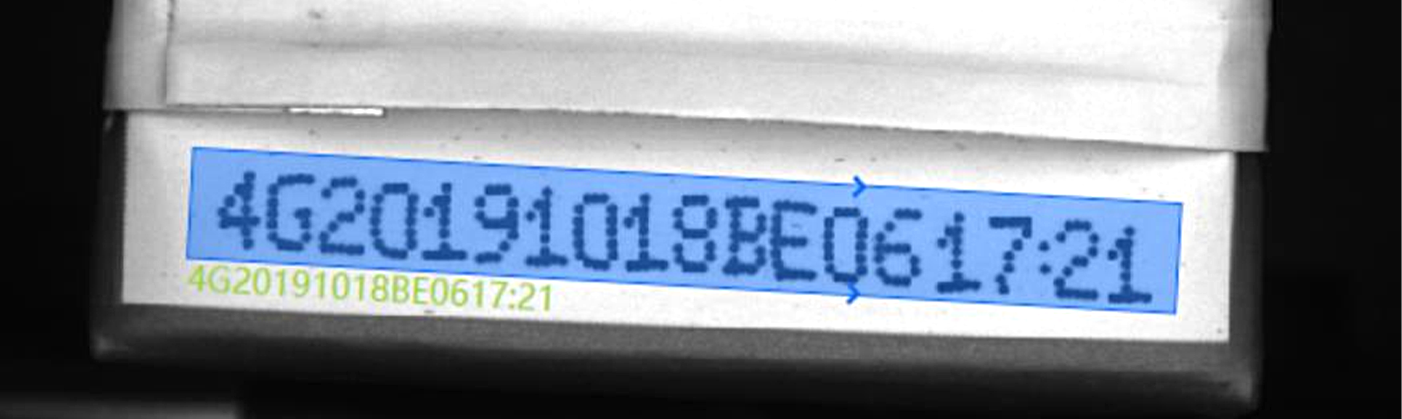
Label Verification and Content Accuracy Using Area Scan Camera Snapshots
Area scan cameras take detailed 2D images of products as they move along production lines, making sure labels are correct down to the smallest detail. These inspection systems check everything from batch numbers and expiry dates to those tiny regulatory marks we often overlook, doing so at blistering speeds over 1,200 items per minute. This cuts out the need for workers to manually inspect every single package, which saves time and reduces human error. The cameras look at how readable the text is, where things are positioned on the package, and whether colors match what's expected. They spot problems nobody would notice otherwise - smudged printing here, a barcode that's slightly off kilter there, or when the wrong label gets stuck onto a product. According to research from the Ponemon Institute last year, companies that implement these automated checks save around $740,000 each year in potential recall expenses alone.
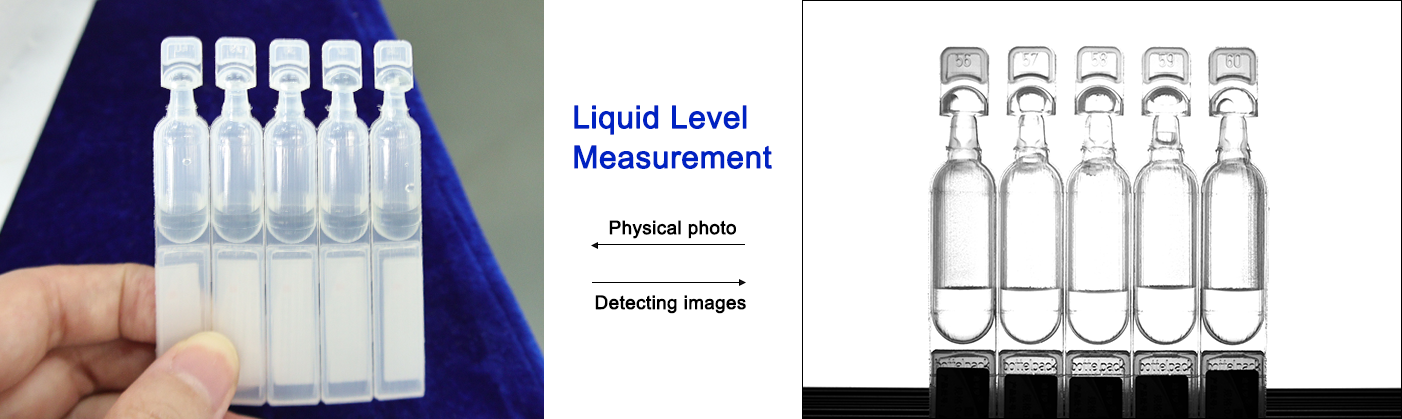
Cap/Seal Integrity and Fill-Level Detection with 2D Area Scan Imaging
Around one quarter of all packaging issues found during factory inspections come down to sealing problems. Area scan imaging helps tackle this challenge by combining both overhead and angled perspectives. These systems check how well caps are threaded onto bottles, where tamper bands sit properly, measure liquid levels accurate to within half a millimeter, and spot any dirt on seals or heat seals that didn't fully form. The technology also uses grayscale differences to catch tiny leaks in bottle closures and identify containers that aren't filled enough before they leave the plant. Food manufacturers report around 45-50% fewer complaints from customers after implementing these inspection methods, which makes a big difference when dealing with sensitive products like medicines or perishable goods.
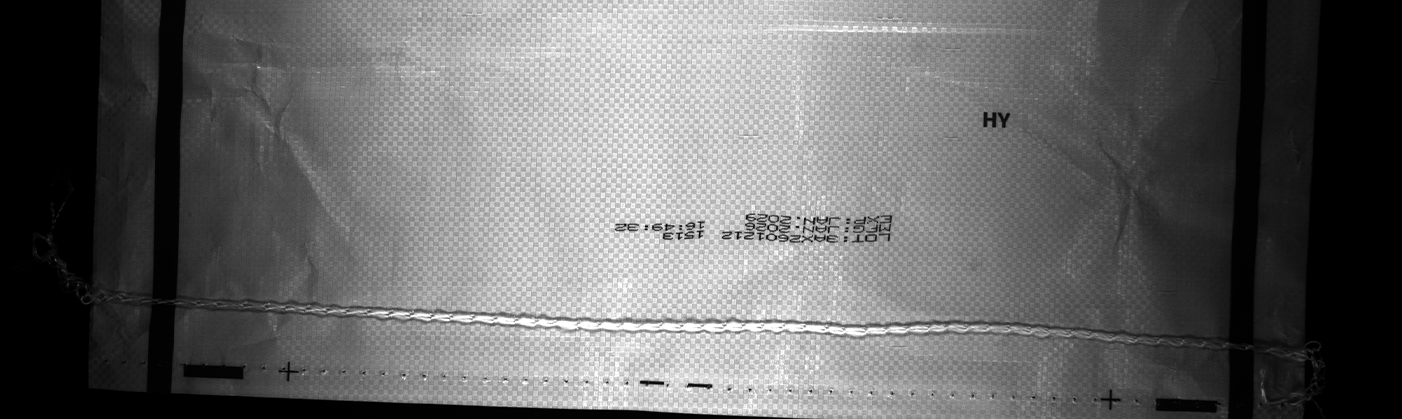
Plastic and Shrink Wrap Defect Detection: Wrinkles, Tears, Coverage Gaps
At conveyor transfer points, area scan cameras inspect shrink-wrapped products in real time, detecting critical film irregularities:
| Defect Type | Detection Method | Impact Prevention |
|---|---|---|
| Wrinkles/Folds | Texture pattern deviation | Retail rejection avoidance |
| Micro-tears (<0.5mm) | Light-transmission analysis | Contamination blocking |
| Incomplete seals | Edge-mapping algorithms | Moisture protection |
This near-zero-tolerance inspection extends shelf life, ensures barrier integrity, and removes bottlenecks associated with manual verification.
Real-Time Component Validation and Defect Sorting on Assembly Lines
Presence, Absence, and Orientation Checking of Indexed Parts via Area Scan Camera
Area scan cameras check indexed parts instantly on those lightning fast assembly lines, making sure everything is there, nothing's missing, and all components are properly oriented. These systems can spot tiny misalignments down to about 0.1mm, which means screws and connectors get fitted just right during automation. Take electronics manufacturing as an example. Before soldering happens, these cameras double check if capacitors are positioned correctly according to what the designs specify. This prevents expensive mistakes later on and keeps product quality steady throughout different production shifts. The real time checks cut down assembly errors somewhere around 30 percent, so factories move faster while still keeping up their usual pace.
Surface and Structural Defect Detection on Stationary or Index-Moved Components
Area scan imaging spots all sorts of surface problems like scratches, dents, and those tiny hairline cracks, plus it detects structural weaknesses whether parts are sitting still or moving through the production line. These systems work really fast too, handling materials at speeds reaching 120 meters per minute while analyzing textures and shapes to mark defects so robots can remove them right away. With edge computing power, images get processed within just 10 milliseconds or less, which means the system can react almost instantly. The result? Much lower defect rates across the board. Products become more reliable overall because manufacturers catch issues early on. Plus these systems handle different lighting situations and moving parts without missing a beat, making them adaptable to almost any manufacturing environment.
Optimizing Area Scan Camera Integration for Industrial Reliability
Lighting, Lens, and Trigger Synchronization for Consistent Packaging & Assembly Imaging
Getting good at finding defects really depends on making sure the lighting, optical equipment, and triggers all work together properly. Using diffuse front lighting helps cut down on those annoying shadows and reflections that make it hard to see labels clearly. Telecentric lenses are great because they keep measurements accurate even when parts aren't perfectly positioned. The timing of the triggers needs to match exactly with how the conveyor moves or where parts get placed so we can take clear pictures without any blurring. When different components don't line up right, things go wrong - either products get rejected unnecessarily or worse, actual defects slip through unnoticed. Putting all these pieces together with programmable logic controllers, often called PLCs, through something called an Automatic Transfer Switch makes sure everything keeps running smoothly even when there's a power change. This setup cuts down on stoppages and maintains quality checks in fast moving manufacturing lines where every second counts.
Ready to Optimize Your Packaging & Assembly Line Inspection with Area Scan Cameras?
Area scan cameras are the foundation of reliable, high-speed quality control for packaging and assembly line automation—no manual inspection or basic imaging system can match their accuracy, throughput, and consistency. By aligning your area scan camera setup with your unique packaging and assembly inspection needs, paired with optimized lighting, lenses, and trigger synchronization, you’ll cut costly recalls, reduce false rejects, and unlock maximum production efficiency.
For industrial-grade area scan camera solutions tailored to your packaging and assembly line application, or to build a fully integrated machine vision system with complementary lenses, lighting, and automation controls (as offered by HIFLY), partner with a provider rooted in industrial machine vision expertise. HIFLY’s 15 years of experience spans area scan cameras, line scan cameras, and end-to-end vision systems for packaging and assembly automation—backed by ISO 9001:2015 certification, 30+ invention patents, and support for 2,500+ clients across 30+ countries. Contact us today for a no-obligation consultation to refine your area scan camera inspection setup.