EN
EN


Does a machine vision camera with active cooling perform more stably in 50°C factory floors?
In high-temperature industrial environments, thermal stability is one of the most critical factors affecting imaging performance. A machine vision camera with active cooling is specifically engineered to address the heat challenges that standard cameras struggle to handle. When factory floor temperatures reach 50°C or above, conventional cameras often experience sensor drift, increased noise, and reduced inspection accuracy. Understanding whether a machine vision camera with active cooling genuinely delivers more stable performance in these conditions is essential for engineers and procurement teams making long-term equipment decisions.
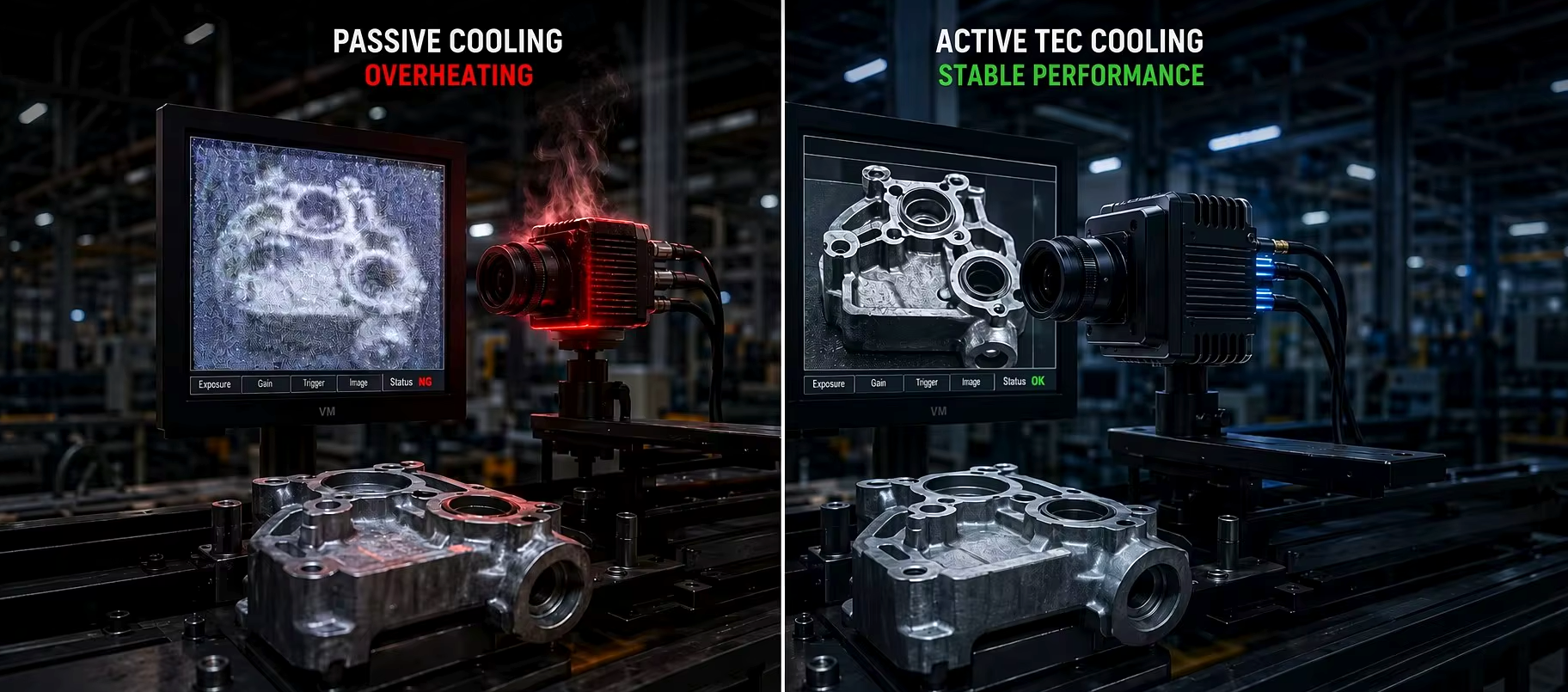
The short answer is yes — a machine vision camera with active cooling performs significantly more stably in 50°C factory environments compared to passively cooled or uncooled alternatives. However, the degree of improvement depends on the specific cooling design, the sensor type, and the operational demands of the application. This article explores the thermal challenges these environments create, how a machine vision camera with active cooling addresses them, and what to consider when selecting one for demanding industrial deployment.
Thermal Challenges in 50°C Factory Environments
How Heat Degrades Standard Camera Performance
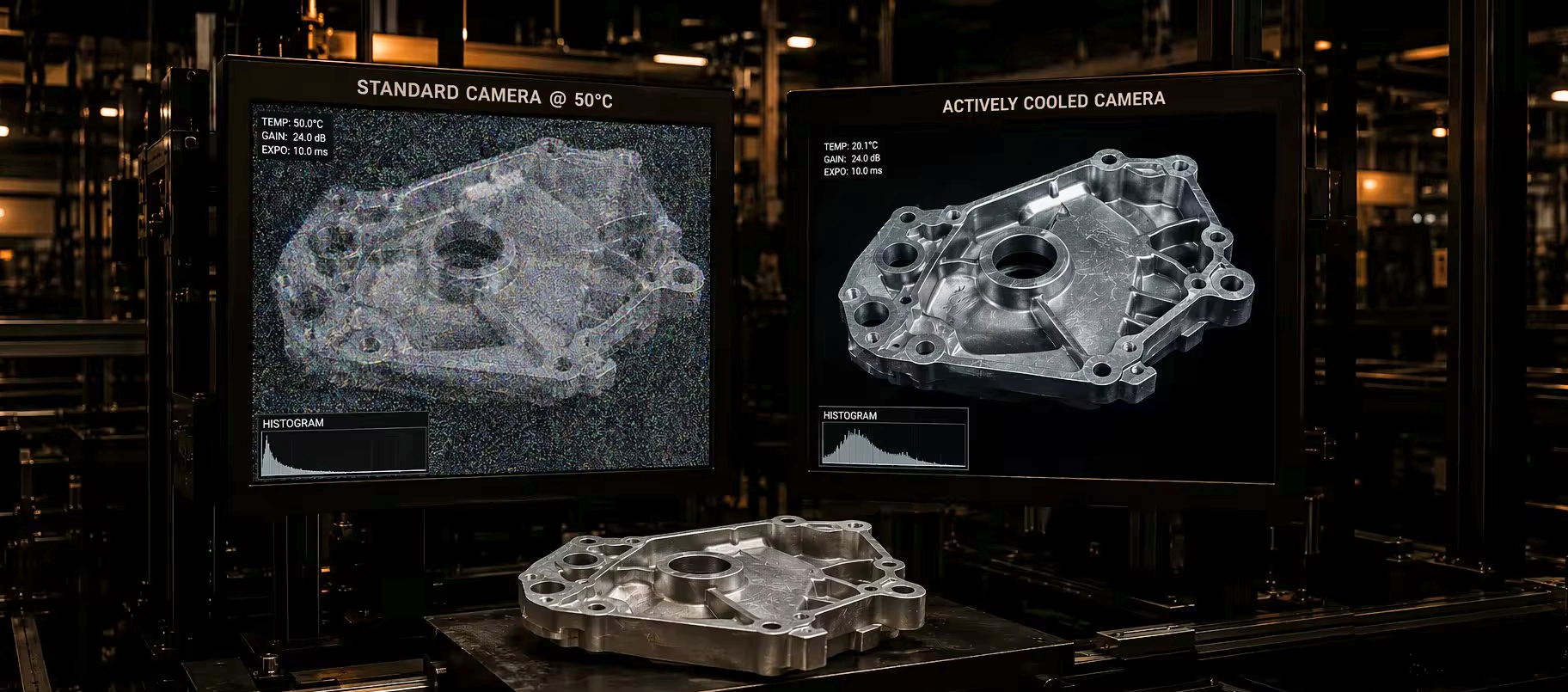
At ambient temperatures of 50°C, image sensors in standard industrial cameras are exposed to conditions well beyond their optimal operating range. As sensor temperature rises, thermal noise — commonly referred to as dark current — increases significantly. This translates into visible image degradation, reduced contrast, and unreliable defect detection. For a machine vision camera with active cooling, the internal sensor temperature can be maintained well below the ambient level, directly suppressing this noise mechanism. Without active thermal management, even a high-quality sensor will deliver inconsistent results in sustained heat exposure.
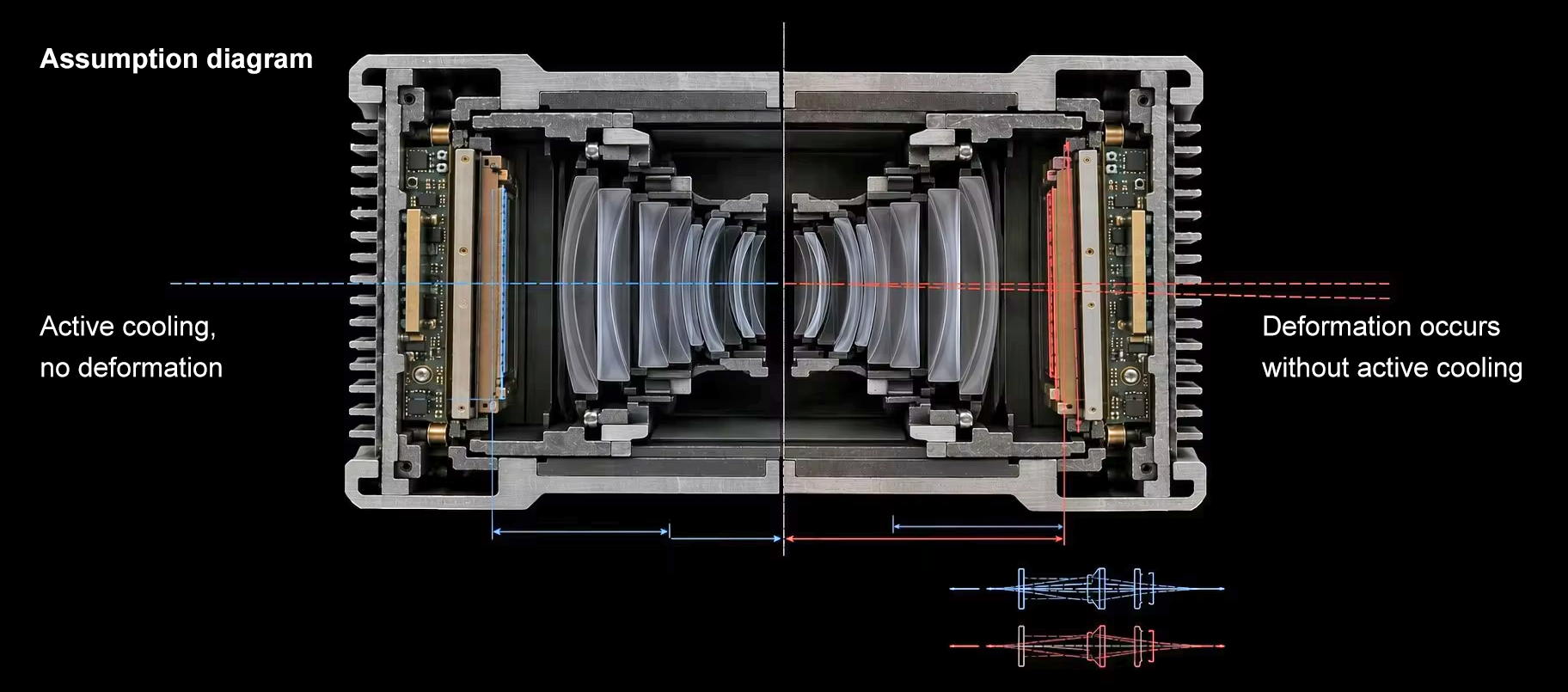
Beyond noise, heat causes physical expansion within the camera housing and optical components. This can introduce subtle but measurable focal length shifts and pixel misalignment over time. A machine vision camera with active cooling counteracts these effects by stabilizing the internal temperature, ensuring that calibration parameters remain valid throughout a production shift. In precision inspection tasks such as dimensional measurement or surface defect detection, this thermal stability directly translates to fewer false rejects and more reliable pass or fail decisions.
Why Passive Cooling Is Often Insufficient
Passive cooling relies on heat dissipation through the camera body and surrounding air. In ambient temperatures at or above 50°C, the temperature gradient between the camera interior and the environment becomes too small for effective passive heat transfer. A machine vision camera with active cooling — typically integrating a thermoelectric cooler (TEC) or forced-air mechanism — actively removes heat from the sensor regardless of ambient conditions. This fundamental difference means that a machine vision camera with active cooling can maintain a consistent internal temperature even when the surrounding environment fluctuates throughout the day due to machine loads, solar gain, or seasonal changes.
Stability Advantages of Active Cooling in Practice
Sensor Temperature Control and Image Consistency
The primary benefit of a machine vision camera with active cooling is precise sensor temperature regulation. Many active cooling designs target a fixed sensor operating point — often 10°C to 20°C below ambient — ensuring that dark current and read noise remain at predictable, low levels. This consistency is particularly valuable in automated inspection lines running 24 hours a day. A machine vision camera with active cooling deployed on a continuous production line will produce repeatable images at 6:00 AM when the factory is cool and at 3:00 PM when temperatures peak, without requiring manual recalibration or algorithm adjustment.
In applications involving low-light imaging, long exposure times, or high-sensitivity detection, the performance gap between a standard camera and a machine vision camera with active cooling becomes even more pronounced. Thermal noise that is barely visible in normal conditions can completely overwhelm faint signal features at 50°C. By keeping the sensor at a controlled temperature, a machine vision camera with active cooling preserves the full dynamic range and signal-to-noise ratio needed for demanding inspection tasks.
Long-Term Reliability and Reduced Maintenance
Heat is one of the leading causes of electronic component failure over time. A machine vision camera with active cooling reduces the cumulative thermal stress on its sensor, processing electronics, and connector interfaces. This extends the mean time between failures (MTBF) in hot factory environments. For operations where downtime is costly, selecting a machine vision camera with active cooling is a practical reliability investment, not simply a performance upgrade. Fewer unplanned replacements and more consistent calibration intervals reduce the total cost of ownership over multi-year deployments.
Selecting a Machine Vision Camera with Active Cooling for Hot Environments
Key Specifications to Evaluate
When choosing a machine vision camera with active cooling for a 50°C environment, engineers should evaluate the specified operating temperature range, the delta between sensor temperature and ambient, and the cooling mechanism type. TEC-based designs offer the most precise control, while forced-air designs are often more cost-effective for moderate heat loads. The ingress protection (IP) rating is also relevant — a machine vision camera with active cooling intended for harsh factory floors should be sealed against dust and moisture, which can interfere with both the cooling system and the optical path. Verifying these specifications against the actual deployment conditions ensures the camera will perform as expected over its service life.
Integration Considerations for Industrial Deployment
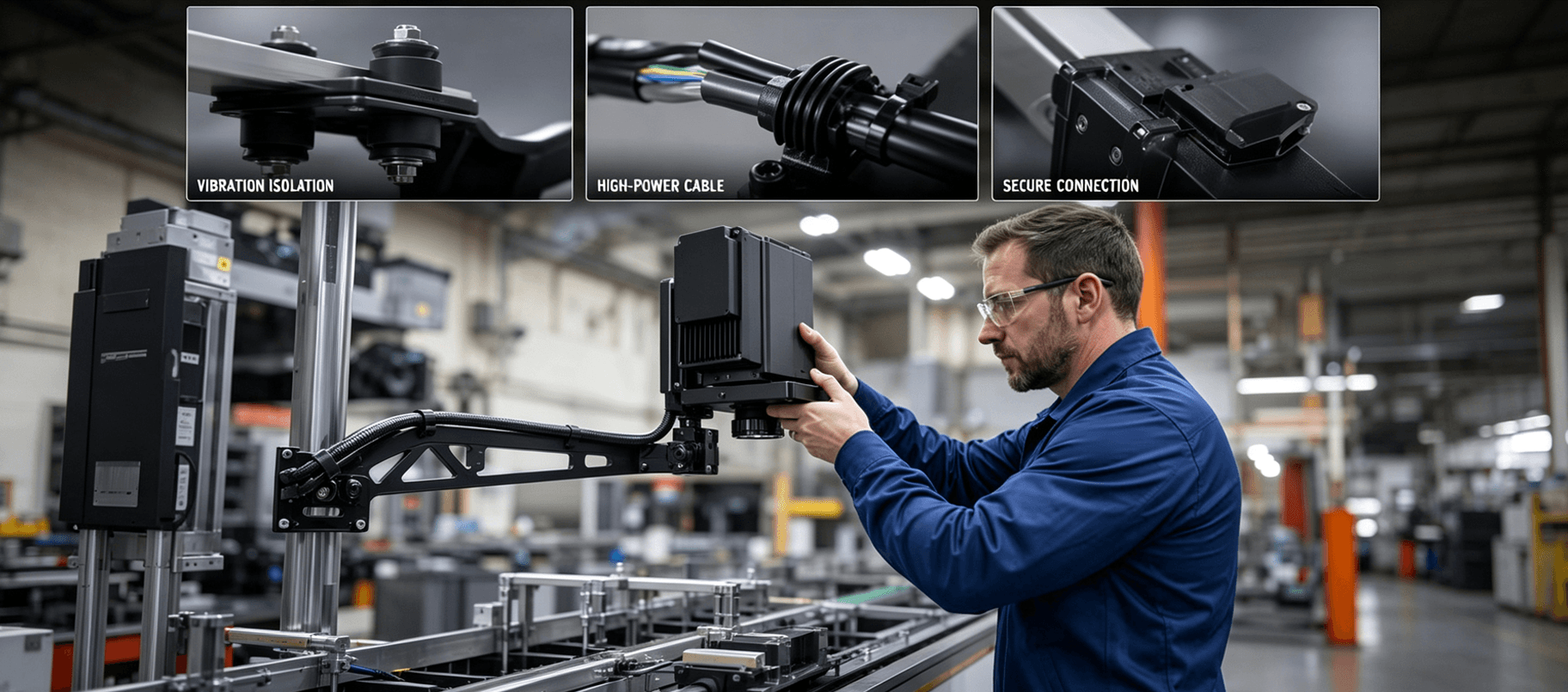
A machine vision camera with active cooling typically requires slightly more power than a passive unit and may have a larger form factor to accommodate the cooling components. These factors should be considered during mounting and cable management planning. In environments with continuous vibration, the cooling mechanism should also be rated for the relevant shock and vibration standards. A well-integrated machine vision camera with active cooling will deliver stable imaging output while remaining practical to install, maintain, and service within the constraints of a busy production floor.
FAQ
How much cooler does a machine vision camera with active cooling keep its sensor compared to the environment?
Most designs maintain the sensor at 10°C to 20°C below ambient temperature. In a 50°C factory floor environment, a machine vision camera with active cooling can keep the sensor operating in a range closer to 30°C to 40°C, significantly reducing thermal noise and drift.
Can a machine vision camera with active cooling operate continuously in high-temperature environments?
Yes. A machine vision camera with active cooling is designed for continuous operation in elevated ambient conditions. Unlike standard cameras that may need duty-cycle limitations or external enclosures in 50°C environments, an active cooling design manages heat autonomously to support 24/7 production operation.
Is a machine vision camera with active cooling suitable for all types of industrial inspection?
A machine vision camera with active cooling is most advantageous in applications requiring high sensitivity, long exposure imaging, or continuous operation in hot environments. For short-cycle, well-lit inspections at moderate temperatures, a standard camera may be sufficient. However, wherever thermal stability directly affects inspection accuracy, a machine vision camera with active cooling provides a measurable and reliable advantage.