EN
EN


What maintenance steps prevent dust accumulation on the lens of a machine vision camera?
Dust accumulation on a machine vision camera lens is one of the most overlooked causes of inspection failure in industrial environments. Even a thin layer of particulate matter can degrade image contrast, reduce edge sharpness, and ultimately cause a machine vision camera to generate false rejects or miss genuine defects. Understanding how to prevent this issue through consistent maintenance is essential for any facility that relies on automated visual inspection to maintain quality standards.
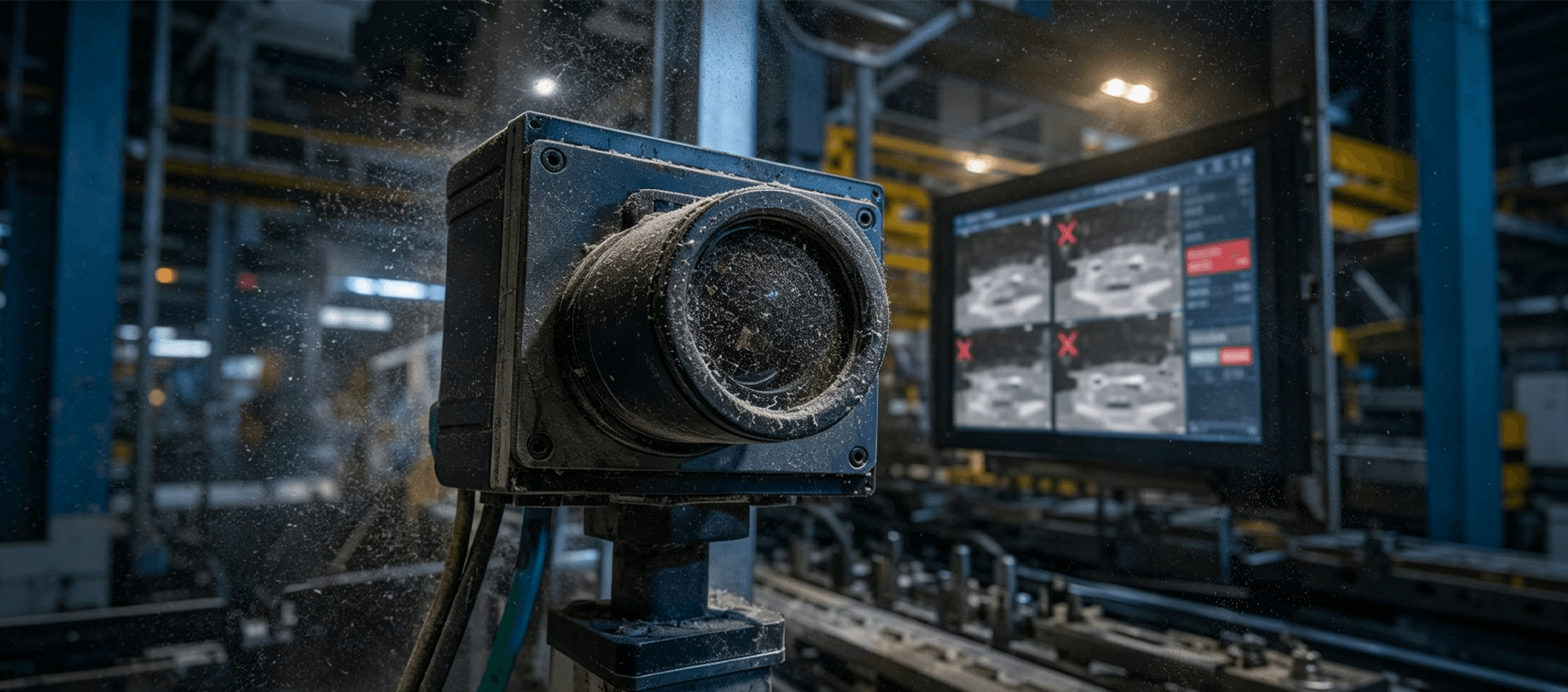
A machine vision camera installed in a production line is constantly exposed to airborne contaminants such as metal shavings, plastic dust, oil mist, and fiber particles. Without a structured maintenance plan, these particles settle on the lens surface over time and compromise the optical performance of the machine vision camera. This article outlines practical, step-by-step maintenance procedures that help prevent dust buildup and extend the operational life of your machine vision camera lens.
Environmental Controls That Protect the Lens
Managing Airflow Around the Machine Vision Camera
The first line of defense against dust accumulation is controlling the environment surrounding the machine vision camera. Positioning the machine vision camera away from direct airflow paths, conveyor discharge points, and grinding or cutting stations significantly reduces how much particulate matter reaches the lens. When a machine vision camera must operate near high-dust processes, installing a physical shield or deflector panel around the housing can redirect airborne particles away from the optical path.
Positive air pressure enclosures are another highly effective solution for protecting a machine vision camera in dusty environments. By maintaining slightly higher air pressure inside the camera housing than the surrounding atmosphere, these enclosures prevent outside air from carrying dust inward. If your facility already uses compressed air systems, integrating a filtered air purge around the machine vision camera lens area can provide continuous protection without manual intervention.
Selecting the Right IP-Rated Enclosure
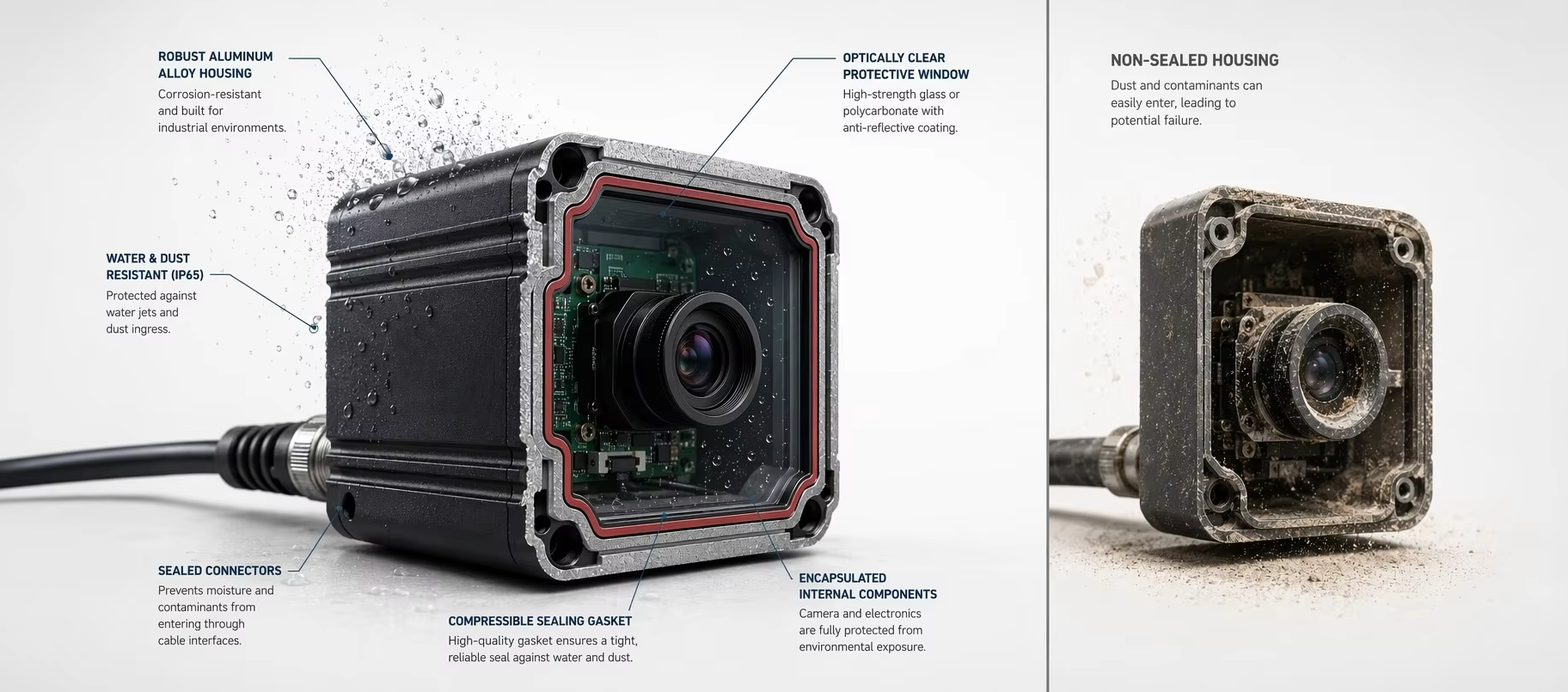
Choosing an enclosure with an appropriate IP rating is a critical environmental control step for any machine vision camera deployment. An IP65 or IP67 rated housing provides a sealed barrier against dust ingress, keeping the machine vision camera lens protected even during cleaning procedures that involve water or compressed air nearby. When specifying a new machine vision camera installation, always verify that the enclosure rating matches the dust and moisture conditions of the target environment. A properly sealed machine vision camera housing dramatically reduces the frequency of lens cleaning and inspection interventions required by maintenance teams.
Routine Cleaning Procedures for the Lens
Establishing a Scheduled Cleaning Cycle
Reactive cleaning—waiting until a machine vision camera shows image quality problems before addressing the lens—is a costly approach that leads to unplanned downtime. Establishing a proactive, scheduled cleaning cycle ensures that dust does not accumulate to a level that affects machine vision camera performance. The frequency of cleaning depends on the production environment, but most industrial facilities find that inspecting the machine vision camera lens weekly and performing a full cleaning every two to four weeks is a practical starting point.
During each scheduled cleaning session, the maintenance team should begin with a visual inspection of the machine vision camera lens under adequate lighting. If only light surface dust is present, a clean, dry blower bulb can dislodge particles without any contact. For heavier contamination on the machine vision camera lens, a lens-grade microfiber cloth moistened with isopropyl alcohol or a dedicated optical cleaning solution should be used in a slow, circular motion from the center outward. Never use standard shop rags or paper towels on a machine vision camera lens, as these materials introduce micro-scratches that permanently degrade image quality.
Proper Handling Techniques to Avoid Recontamination
Improper handling during maintenance is a frequent cause of recontamination on a machine vision camera lens. Technicians should always wear lint-free gloves when handling a machine vision camera or its optical components. Fingerprint oils and skin particles are just as damaging as industrial dust and can bond to the lens surface if not addressed promptly. After cleaning a machine vision camera lens, immediately reinstall the lens cap or close the enclosure cover to prevent fresh dust from settling before the camera resumes operation.
Keeping a maintenance log for each machine vision camera installation is also a best practice. Recording the date of each cleaning, the condition observed, and any corrective actions taken allows maintenance managers to identify trends and adjust cleaning intervals based on actual contamination rates. This data-driven approach helps teams allocate resources efficiently across multiple machine vision camera units on a production line.
Long-Term Preventive Strategies for Machine Vision Camera Lenses
Using Lens Protection Films and Filters
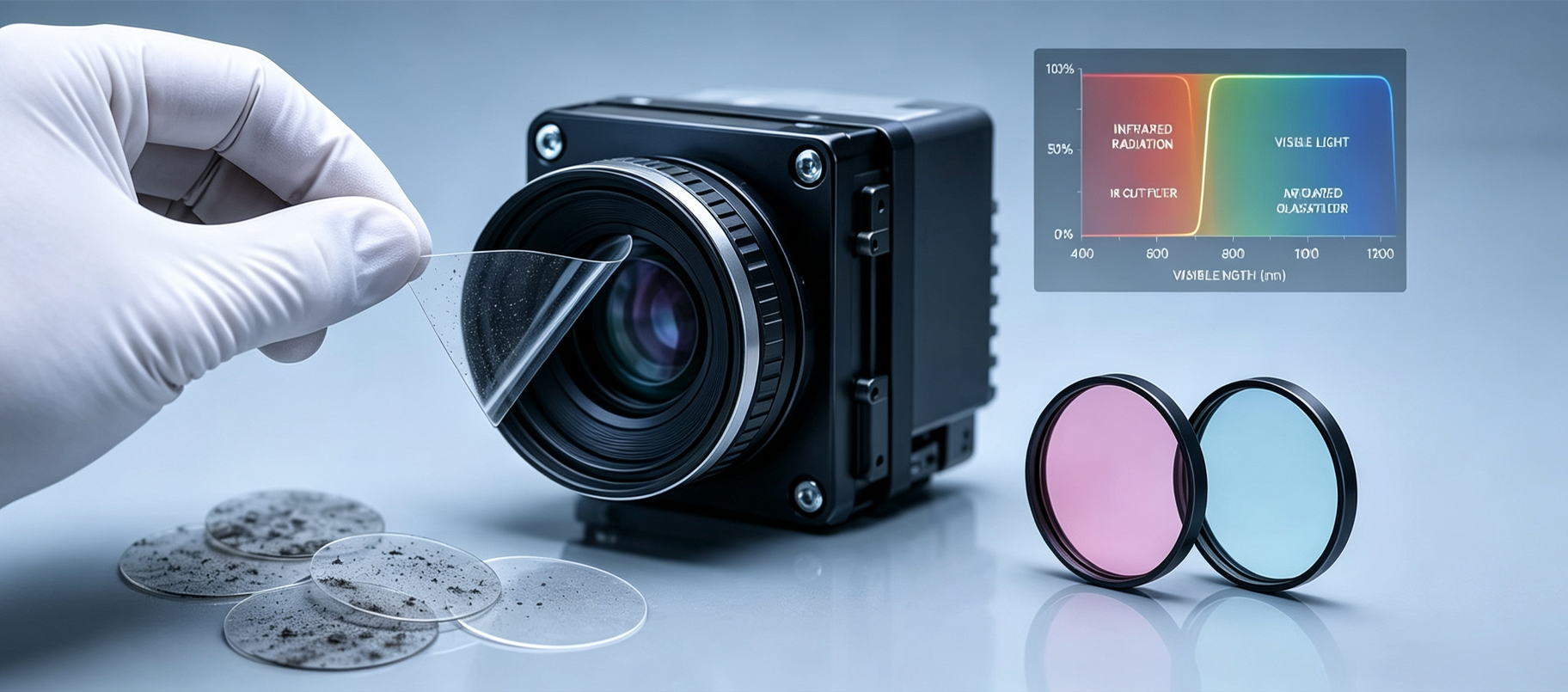
Sacrificial lens protection films are a practical long-term strategy for any machine vision camera exposed to heavy particulate contamination. These thin optical films attach directly over the lens surface and can be replaced periodically without requiring full lens cleaning or recalibration of the machine vision camera. In environments where abrasive dust or chemical mist is present, a protective filter designed for machine vision camera optics provides an additional barrier that absorbs contamination before it reaches the actual lens element.
Infrared cut filters and anti-reflection coated glass filters, when matched correctly to the machine vision camera's spectral requirements, serve dual purposes: they filter unwanted light and simultaneously shield the lens from direct contact with dust and aerosols. Selecting the correct filter for a machine vision camera must take into account the lighting spectrum used in the inspection system, as an incompatible filter can introduce new optical distortions that offset the protection benefit.
Training Maintenance Personnel on Machine Vision Camera Care
Technical training is a foundational preventive measure that is often undervalued. Maintenance personnel who understand how sensitive a machine vision camera lens is to contamination are more likely to follow proper procedures and report early signs of dust buildup before performance is compromised. Training sessions should cover the optical principles behind machine vision camera image capture, the specific impact of dust particles on contrast and resolution, and the correct use of cleaning tools approved for machine vision camera lenses. Well-trained teams reduce both the frequency of lens contamination events and the risk of accidental damage during cleaning procedures.
FAQ
How often should I clean a machine vision camera lens in a dusty factory?
In high-dust industrial environments, a machine vision camera lens should be visually inspected at least once per week and fully cleaned every two to four weeks. Facilities with heavy particulate generation may need to clean the machine vision camera lens more frequently based on observed image quality trends.
Can I use regular glass cleaner on a machine vision camera lens?
No. Regular glass cleaners often contain ammonia or harsh surfactants that can damage the coatings on a machine vision camera lens. Always use isopropyl alcohol of 99% purity or a cleaner specifically formulated for optical components when cleaning a machine vision camera lens.
Does mounting position affect how quickly dust accumulates on a machine vision camera?
Yes. A machine vision camera mounted facing upward accumulates dust much faster than one mounted horizontally or facing downward, since gravity draws airborne particles directly onto the lens surface. Where the application allows, positioning the machine vision camera with the lens angled downward or sideways can meaningfully reduce dust accumulation rates.