EN
EN


Machine vision light controller vs PWM dimmer: pros & cons?
When selecting lighting control technology for precision industrial applications, the choice between a machine vision light controller and a PWM dimmer can significantly impact system performance, cost efficiency, and operational reliability. Both technologies serve critical roles in modern automation and machine vision systems, yet they operate on fundamentally different principles and deliver distinct advantages depending on your specific application requirements. Understanding the core differences between a machine vision light controller and conventional PWM dimming solutions is essential for making an informed investment decision that aligns with your operational goals and technical constraints.
The industrial lighting landscape has evolved significantly over the past decade, with specialized solutions emerging to address the unique demands of vision-based automation. A machine vision light controller represents a sophisticated approach to illumination management, designed specifically to optimize lighting conditions for camera-based inspection and measurement tasks. Whether you are operating in quality control, assembly verification, or defect detection environments, understanding how a machine vision light controller compares to traditional PWM dimmer technology will help you select the most cost-effective and performance-optimized solution for your production line.
Core Architecture and Operating Principles
How Machine Vision Light Controllers Function
A machine vision light controller is engineered to manage illumination intensity and consistency with precision tuning capabilities that go far beyond simple brightness adjustment. Unlike generic dimming solutions, a machine vision light controller integrates feedback mechanisms, real-time intensity monitoring, and adaptive light output calibration to maintain optimal imaging conditions throughout extended production runs. The machine vision light controller typically incorporates digital control algorithms that respond to environmental changes, component aging, and thermal fluctuations, ensuring that your camera capture remains consistently high-quality regardless of external variables affecting the production floor environment.
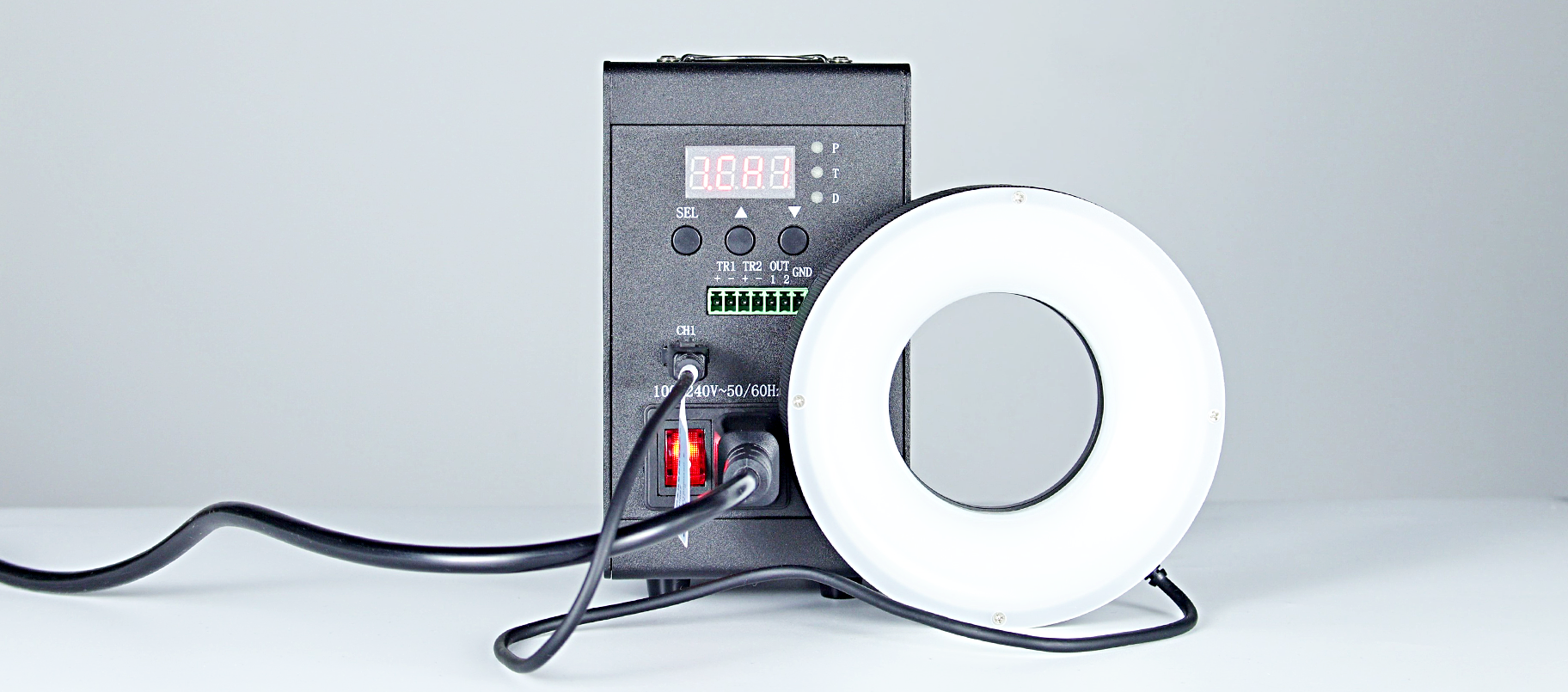
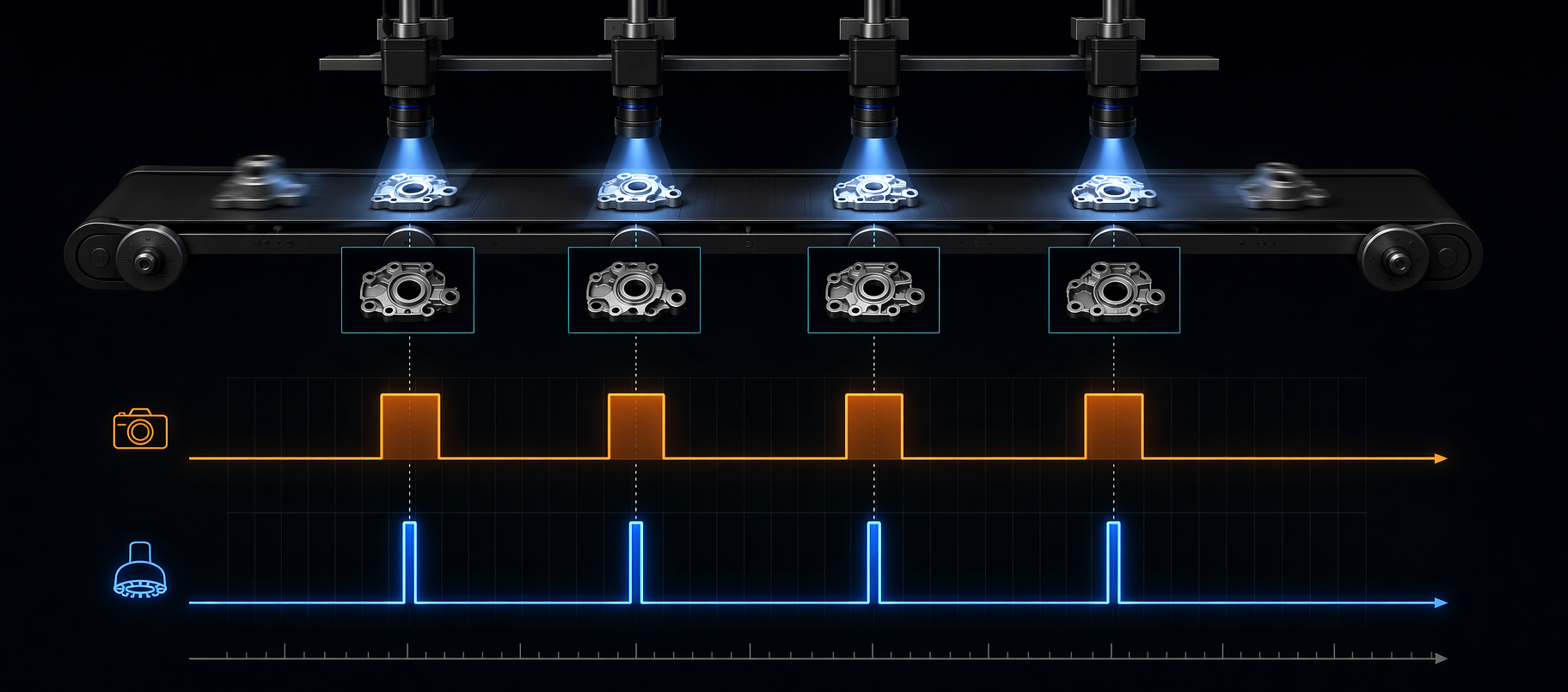
Modern implementations of the machine vision light controller employ advanced driver circuits and intelligent power management systems that enable micro-level adjustments to light output without introducing flicker artifacts or spectral distortion. The machine vision light controller can synchronize illumination pulses with camera exposure windows, a critical feature for high-speed imaging applications where timing precision directly impacts image clarity and defect detection accuracy. This level of sophistication distinguishes the machine vision light controller from simpler control methodologies used in general-purpose lighting environments.
PWM Dimmer Technology and Its Limitations
Pulse-width modulation dimmers have served industrial environments for decades, offering a straightforward mechanism for brightness control by varying the duty cycle of electrical pulses delivered to lighting loads. While PWM dimmer systems are cost-effective and widely available, they operate through a generalized approach that does not account for machine vision-specific requirements such as spectral stability, flicker-free operation, or real-time intensity feedback. A typical PWM dimmer simply switches power on and off at varying frequencies, which can introduce visible or near-visible flicker artifacts that severely degrade image quality in high-speed camera applications when compared to a dedicated machine vision light controller.

The PWM dimmer approach lacks the sophisticated environmental compensation and adaptive control features built into a machine vision light controller. Standard PWM dimmer circuits do not monitor actual light output or adjust for LED degradation over time, meaning lighting intensity may drift unpredictably throughout the service life of your installation. This inconsistency creates downstream problems for vision-based quality control systems that depend on stable illumination to maintain detection accuracy and reduce false positives in defect identification workflows.
Performance Advantages of Machine Vision Light Controller Solutions
Superior Image Quality and Consistency
The machine vision light controller delivers measurably superior image quality by eliminating flicker artifacts and ensuring stable spectral output that high-resolution cameras can capture cleanly and consistently. When your machine vision light controller maintains precise illumination throughout production shifts, your vision system algorithms perform more reliably, reducing computational errors and improving defect detection rates. The machine vision light controller's ability to synchronize with camera frame rates and exposure times enables optimized lighting delivery that directly enhances image contrast, reducing background noise and sharpening critical feature definition needed for accurate part inspection.
Compared to PWM dimmer systems, a machine vision light controller produces instantaneous response to real-time brightness adjustments, preventing the lag and overshooting common in traditional dimming circuits. This responsiveness matters significantly in dynamic production environments where lighting conditions must adapt quickly to changing inspection requirements or multiple part geometries. The machine vision light controller's feedback-driven design ensures your camera sees consistent illumination regardless of seasonal temperature variations, electrical grid fluctuations, or LED component aging that would progressively degrade image quality with a standard PWM dimmer approach.
Longevity and Thermal Management
A machine vision light controller incorporates intelligent thermal monitoring and power distribution algorithms that extend component lifespan by operating lighting arrays within optimal temperature ranges. By managing current draw dynamically, the machine vision light controller prevents thermal stress on LED elements, reducing degradation rates and extending maintenance intervals significantly beyond what PWM dimmer systems achieve. The machine vision light controller's superior heat dissipation design and active current limiting protect your lighting investment, lowering total cost of ownership over multi-year operational periods despite higher initial acquisition costs.
Practical Application Scenarios and Suitability Assessment
When to Choose a Machine Vision Light Controller
Industries requiring high-reliability automated vision inspection, such as semiconductor manufacturing, pharmaceutical packaging, and automotive component verification, depend on a machine vision light controller to maintain the imaging consistency necessary for near-zero-defect production targets. A machine vision light controller is the optimal choice when your quality standards demand sub-defect detection sensitivity or when missed defects carry significant cost consequences. The machine vision light controller becomes particularly critical in environments where production line speed exceeds several hundred parts per minute, where camera exposure timing must align precisely with illumination delivery to capture motion-free images of moving objects.
Facilities deploying multi-spectral or advanced color vision systems should prioritize a machine vision light controller to maintain spectral consistency across different light wavelengths and prevent color drift that compromises chromatic inspection algorithms. When your application involves sub-millimeter dimensional tolerance verification or surface finish classification, the machine vision light controller's stable output directly translates to improved measurement reproducibility and reduced false-positive quality rejections.
PWM Dimmer Applications and Acceptable Use Cases
General-purpose facility lighting, decorative applications, and non-critical brightness adjustments remain appropriate domains for traditional PWM dimmer solutions. When budget constraints dominate purchasing decisions or when lighting applications do not involve camera-based feedback systems, a PWM dimmer can deliver acceptable performance. Manufacturing environments where visual inspection relies on human operator judgment rather than automated vision systems may tolerate the minor flicker artifacts and intensity drift inherent to PWM dimmer technology, making cost savings the primary decision factor.

Simple LED dimming applications without vision system integration can function reliably with PWM dimmer circuits, particularly in warehousing, general assembly areas, or workstations where illumination consistency requirements are less stringent. However, as soon as automated vision systems enter the production workflow, upgrading to a machine vision light controller becomes a highly justified investment that prevents image quality degradation and associated inspection failures downstream.
Economic and Technical Trade-Off Analysis
Cost Considerations and Return on Investment
A machine vision light controller typically costs 30% to 60% more than equivalent PWM dimmer hardware, yet this premium investment yields significant returns through improved production quality, reduced rework cycles, and extended lighting component lifespan. When calculating total cost of ownership, factor in the reduced defect escape rates that a machine vision light controller enables, which can eliminate millions of dollars in warranty claims and customer returns annually for high-volume production operations. The machine vision light controller's superior thermal management extends LED element lifespan by 2 to 3 years compared to PWM dimmer systems, reducing replacement frequencies and associated labor costs substantially.
The machine vision light controller investment recovers quickly in environments processing high-value products where defect detection accuracy directly impacts profit margins. Pharmaceutical and semiconductor applications typically experience return on investment within 6 to 18 months when upgrading from PWM dimmer to machine vision light controller solutions. For lower-volume or lower-value manufacturing operations, PWM dimmer systems may remain economically preferable unless vision system performance metrics demonstrate unacceptable detection failures attributable to lighting instability.
Technical Integration and Implementation Complexity
A machine vision light controller integrates seamlessly with modern vision software platforms through standardized interfaces, enabling straightforward calibration and ongoing system tuning without requiring specialized expertise. The machine vision light controller's adaptive algorithms often require minimal configuration, as the system self-calibrates to maintain optimal illumination across varying environmental conditions automatically. PWM dimmer systems, conversely, demand manual adjustment whenever production conditions change significantly, creating operational burden and potential for suboptimal settings if oversight procedures lapse.
FAQ
What specific image quality improvements does a machine vision light controller provide compared to PWM dimmer technology?
A machine vision light controller eliminates visible and near-visible flicker artifacts that degrade high-speed camera captures, maintains consistent spectral output to prevent color shift in RGB imaging systems, and provides precise synchronization with camera exposure windows that maximizes contrast and signal-to-noise ratios. These improvements translate directly to measurably higher defect detection accuracy and fewer false positive rejections in automated quality control workflows. The machine vision light controller's real-time feedback mechanisms automatically compensate for environmental drift and component aging, ensuring image stability throughout extended production runs where PWM dimmer brightness would degrade noticeably.
Can a PWM dimmer system adequately serve machine vision inspection applications in budget-constrained environments?
While a PWM dimmer system can technically function in machine vision applications, it will introduce measurable degradation in defect detection performance, particularly in high-speed imaging scenarios exceeding 100 frames per second. A PWM dimmer may prove acceptable only in vision systems performing relatively simple binary pass/fail inspections where detection sensitivity margins are generous and occasional misses carry minimal financial consequence. However, as production quality standards tighten or product complexity increases, the performance limitations of PWM dimmer systems become operationally unacceptable, and upgrading to a machine vision light controller becomes unavoidable, making the initial purchase decision penny-wise but pound-foolish.
How does thermal management in a machine vision light controller differ from standard PWM dimmer solutions?
A machine vision light controller continuously monitors LED array temperatures and automatically adjusts current delivery to maintain optimal operating ranges that minimize component degradation and extend service lifespan to 50,000+ hours. The machine vision light controller employs active thermal compensation that accounts for ambient facility temperature variations, preventing performance drift that would occur with simpler PWM dimmer circuits. PWM dimmer systems lack these sophisticated thermal management features, causing LED elements to operate hotter and degrade faster, typically delivering only 30,000 to 40,000 operational hours before brightness falls below acceptable inspection thresholds, necessitating more frequent and costly replacement cycles.