EN
EN


Ultimate buying guide for machine vision light controller?
Selecting the right machine vision light controller is a critical decision that directly impacts image quality, inspection accuracy, and overall system performance. A machine vision light controller manages illumination intensity, timing, and color spectrum to ensure consistent, high-contrast images for automated inspection tasks. Without proper understanding of machine vision light controller specifications and capabilities, manufacturers risk investing in systems that fail to meet production demands or deliver suboptimal defect detection rates.
This comprehensive buying guide explores the essential factors, technical specifications, and decision criteria that manufacturing professionals must evaluate when choosing a machine vision light controller. Whether you are upgrading existing vision systems or implementing new inspection lines, understanding how to evaluate and compare machine vision light controller options will help you make informed purchasing decisions that align with your production requirements and budget constraints.
Understanding Machine Vision Light Controller Fundamentals
What Is a Machine Vision Light Controller and Why It Matters
A machine vision light controller is a specialized electronic device that regulates illumination parameters for camera-based inspection systems. The machine vision light controller controls LED intensity, pulse timing, and brightness levels to optimize image capture conditions. In manufacturing environments, consistent lighting directly influences camera sensor performance, image sharpness, and the reliability of automated defect detection algorithms. A quality machine vision light controller eliminates shadow variations, reduces glare, and ensures repeatable lighting conditions across production shifts and environmental changes.
Core Functions of Machine Vision Light Controller Systems
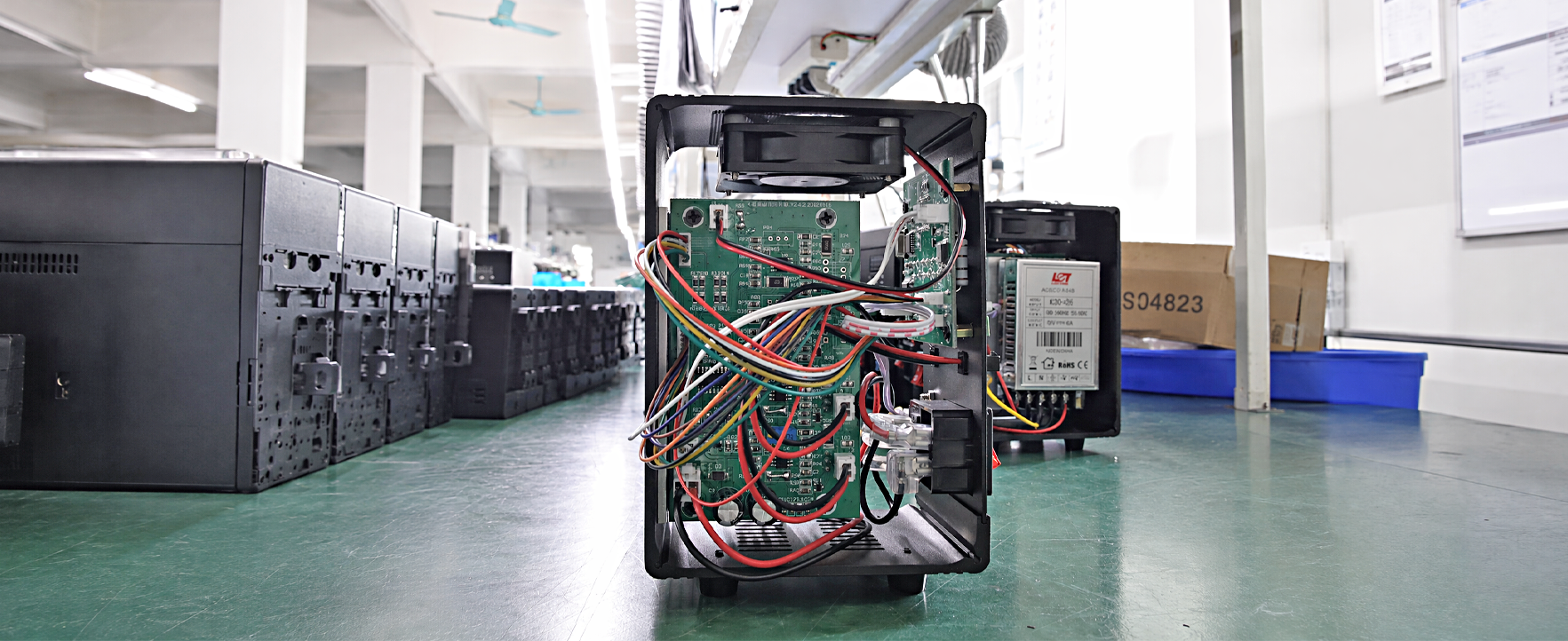
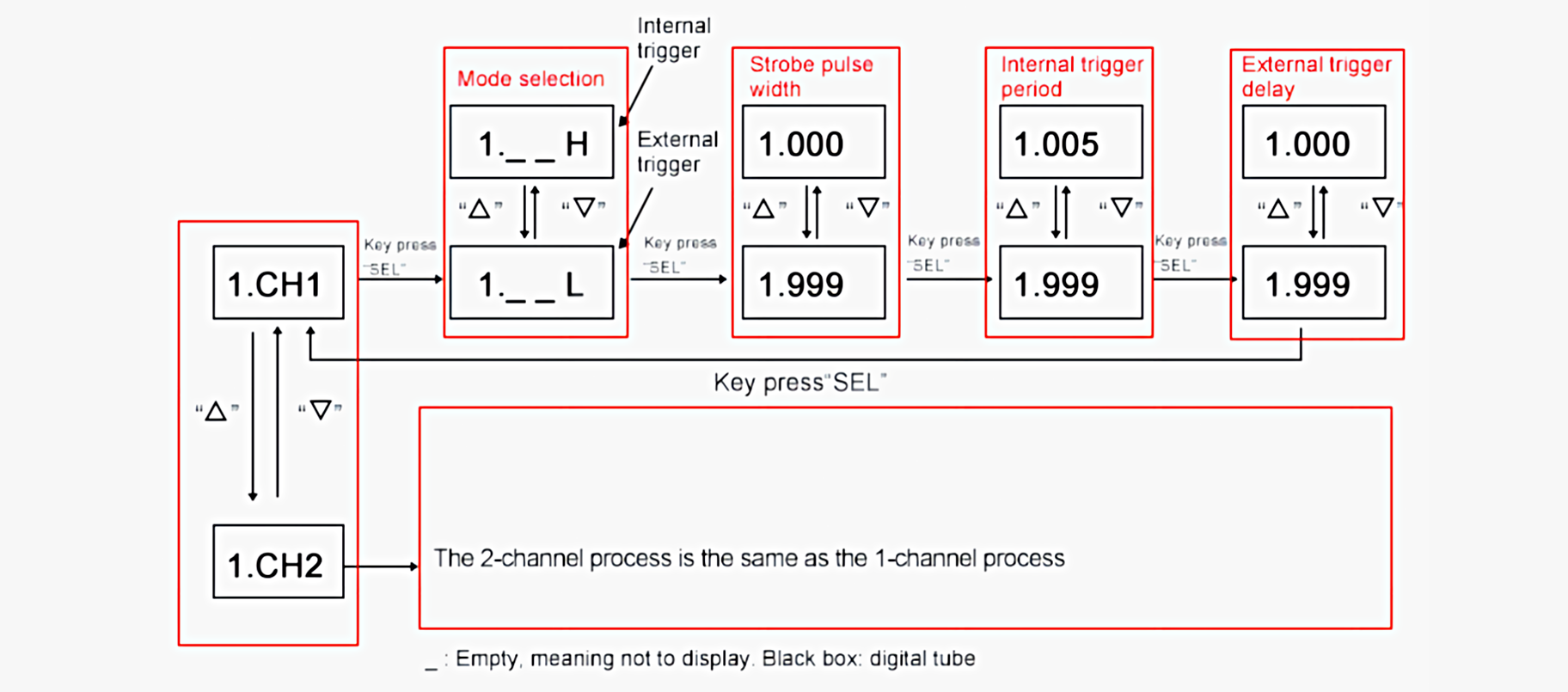
The primary functions of a machine vision light controller include intensity adjustment, strobe timing control, and thermal management. The machine vision light controller synchronizes light pulses with camera exposure windows to capture images at the exact moment when illumination is optimal. Advanced machine vision light controller units offer multi-channel capability, allowing simultaneous control of different LED arrays or colors within a single system. Temperature compensation features in modern machine vision light controller designs ensure consistent output even when ambient conditions fluctuate, maintaining inspection accuracy throughout extended production runs.
Key Technical Specifications and Selection Criteria
Evaluating Power Output and Channel Configuration
Power output capacity is fundamental when selecting a machine vision light controller for your specific application. The machine vision light controller must deliver sufficient electrical power to drive your LED arrays without thermal degradation or flickering. Multi-channel machine vision light controller options provide independent control over separate light sources, enabling sophisticated lighting patterns and color combinations. When comparing machine vision light controller models, verify that power ratings match your LED specifications and that the device includes thermal management capabilities to maintain stable operation during continuous production cycles.
Communication Protocols and Integration Requirements
Modern machine vision light controller units support various communication standards including Ethernet, USB, and industrial protocol interfaces. The machine vision light controller you select must integrate seamlessly with your vision system software and production automation platform. Some machine vision light controller devices offer real-time synchronization with high-speed cameras, ensuring zero-latency communication between image capture and illumination control. Verify that your chosen machine vision light controller supports the communication protocols your vision system requires, as incompatibility can create significant integration challenges and delays.
Brightness Control Resolution and Responsiveness
Brightness control resolution determines how finely you can adjust illumination levels within your machine vision light controller. Higher-resolution control in a machine vision light controller allows more precise tuning of light intensity, improving image quality for sensitive inspection tasks. The machine vision light controller should offer fast response times to brightness adjustment commands, typically under 10 milliseconds for production environments requiring rapid parameter changes. When evaluating machine vision light controller responsiveness, consider both initial brightness response and stability after adjustment to ensure lighting remains consistent during image acquisition.
Application Scenarios and Implementation Considerations
Matching Machine Vision Light Controller Features to Industry Requirements
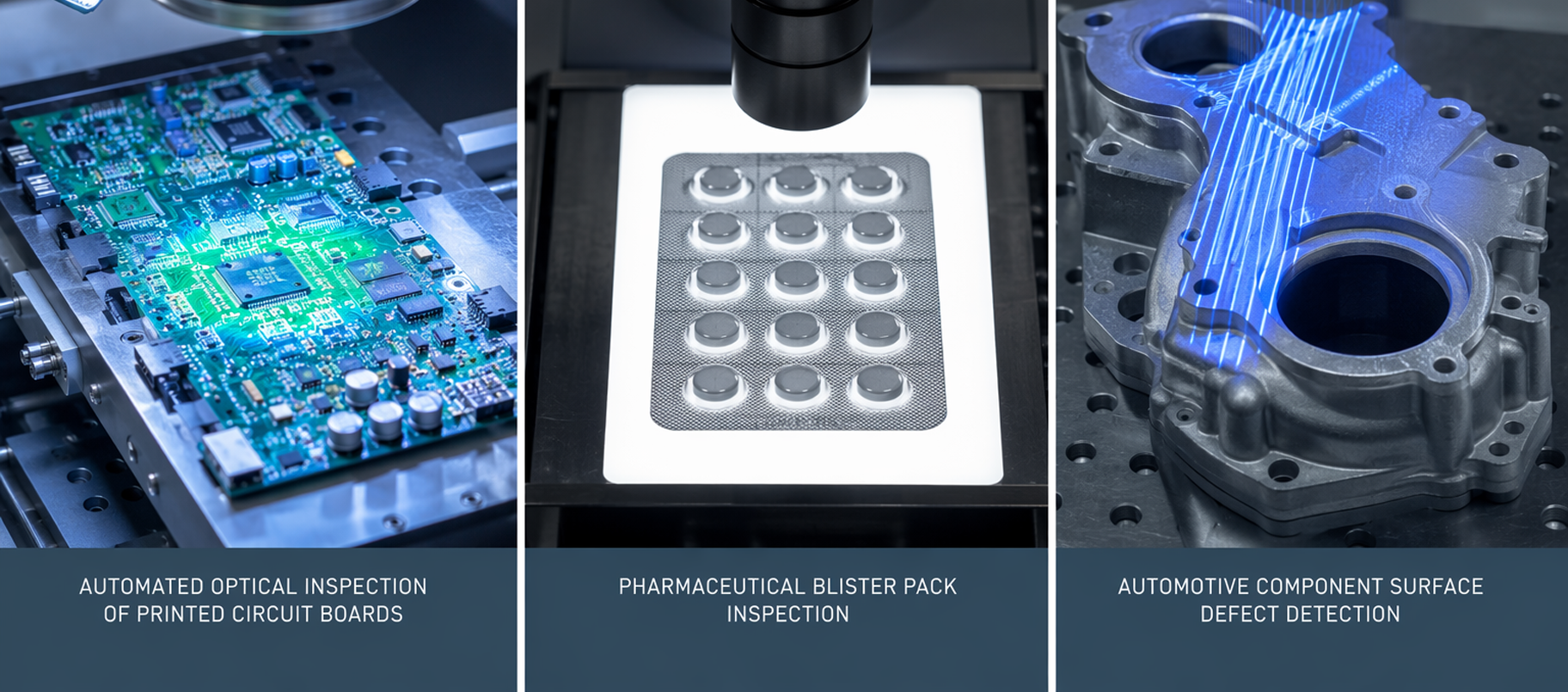
Different manufacturing sectors have unique machine vision light controller requirements based on product characteristics and inspection complexity. Electronics manufacturers inspecting printed circuit boards often require machine vision light controller systems with precise color temperature control and fast pulse capabilities. Pharmaceutical packaging lines typically need machine vision light controller solutions that deliver consistent illumination for print quality verification and tamper-evident seal inspection. Automotive component manufacturers rely on machine vision light controller technology that handles rapid line speeds and varying surface reflectivity, requiring advanced synchronization and multi-spectrum lighting control.
Environmental Factors Affecting Machine Vision Light Controller Performance
Operating environment conditions significantly influence machine vision light controller selection and configuration. Industrial facilities with temperature fluctuations require machine vision light controller units featuring robust thermal compensation and wide operating temperature ranges. High-vibration production environments demand machine vision light controller hardware with reinforced mechanical mounting and shock protection. When selecting a machine vision light controller, assess dust exposure levels, humidity conditions, and potential chemical splash risk in your facility, as these factors determine the required ingress protection rating and material specifications for your machine vision light controller system.
Cost-Benefit Analysis and ROI Considerations
Investing in quality machine vision light controller technology delivers measurable returns through improved defect detection rates and reduced false rejections. Initial machine vision light controller purchase price represents only one component of total cost of ownership. Consider long-term factors including maintenance requirements, component replacement costs, software support, and system uptime when evaluating machine vision light controller value. Premium machine vision light controller solutions often justify higher upfront investment through superior reliability, extended operational lifespan, and lower failure rates that minimize production disruptions.
Practical Implementation and Best Practices
Installation and Configuration Requirements
Proper installation fundamentally affects machine vision light controller performance and system longevity. The machine vision light controller should be mounted in a location that protects it from direct water spray and excessive dust while maintaining adequate ventilation for heat dissipation. Ensure your machine vision light controller installation includes appropriate cable routing, electrical grounding, and protection from electromagnetic interference sources common in manufacturing environments. When setting up your machine vision light controller, follow manufacturer guidelines for power supply capacity, as insufficient power delivery can cause the machine vision light controller to underperform or fail prematurely.
Optimization and Tuning Strategies
Achieving optimal results from your machine vision light controller requires systematic tuning and parameter adjustment. Start by establishing baseline machine vision light controller settings that produce clear, high-contrast images of acceptable parts under standard lighting conditions. Use image analysis software to monitor histogram distribution and dynamic range, adjusting machine vision light controller brightness and timing parameters iteratively to maximize inspection algorithm accuracy. Document all machine vision light controller settings used for different product types or inspection scenarios, creating reference profiles that accelerate setup time for future production runs and reduce optimization labor.
Maintenance and Troubleshooting Guidance
Regular maintenance ensures your machine vision light controller continues delivering consistent performance throughout its operational life. Periodically inspect machine vision light controller heat sinks for dust accumulation, cleaning vents as needed to prevent thermal throttling. Monitor LED light source brightness over time, as aging LEDs gradually reduce output intensity and may require brightness adjustments in your machine vision light controller parameters. When troubleshooting machine vision light controller issues, verify power supply voltage stability, check communication cable integrity, and confirm software driver versions match your hardware revision.
FAQ
What specifications should I prioritize when comparing different machine vision light controller options?
Focus on power output capacity that matches your LED array requirements, multi-channel configuration supporting your lighting scheme, communication protocol compatibility with your vision system, brightness control resolution for accurate tuning, response time performance for synchronization with your camera, and thermal management capabilities for your production environment. Verify that the machine vision light controller includes adequate protection against industrial electromagnetic interference and supports your required operating temperature range. Technical support availability and software compatibility should also influence your machine vision light controller selection decision.
How does a machine vision light controller improve inspection accuracy and reduce defects?
A machine vision light controller optimizes illumination consistency, eliminating shadow variations and glare that confuse detection algorithms. By maintaining precise light intensity and timing, the machine vision light controller ensures high contrast between product features and background, enabling more reliable defect identification. Synchronized machine vision light controller operation with camera exposure windows captures images at peak illumination quality, reducing false positives from underexposed or overexposed frames. The machine vision light controller's ability to adapt lighting parameters to different product types and surface characteristics directly improves inspection algorithm performance across diverse manufacturing applications.
What are common mistakes to avoid when selecting and implementing a machine vision light controller?
Avoid selecting a machine vision light controller based solely on purchase price without considering power capacity and feature requirements for your application. Do not underestimate the importance of communication protocol compatibility between your machine vision light controller and vision system software. Neglecting thermal management and environmental protection can cause premature machine vision light controller failures. Failure to properly document and archive machine vision light controller configurations wastes time during product changeovers and troubleshooting. Finally, avoid implementing a machine vision light controller without adequate integration testing, verification, and operator training, which can result in suboptimal system performance despite quality hardware.