EN
EN


The Application Fields Of Thermal Imaging Cameras
The core function of a thermal imaging camera is to generate thermal images by detecting the infrared radiation emitted by objects, with applications covering four core areas: industrial testing, public security, medical and health care, and civilian consumption.
1. Industrial Testing Field
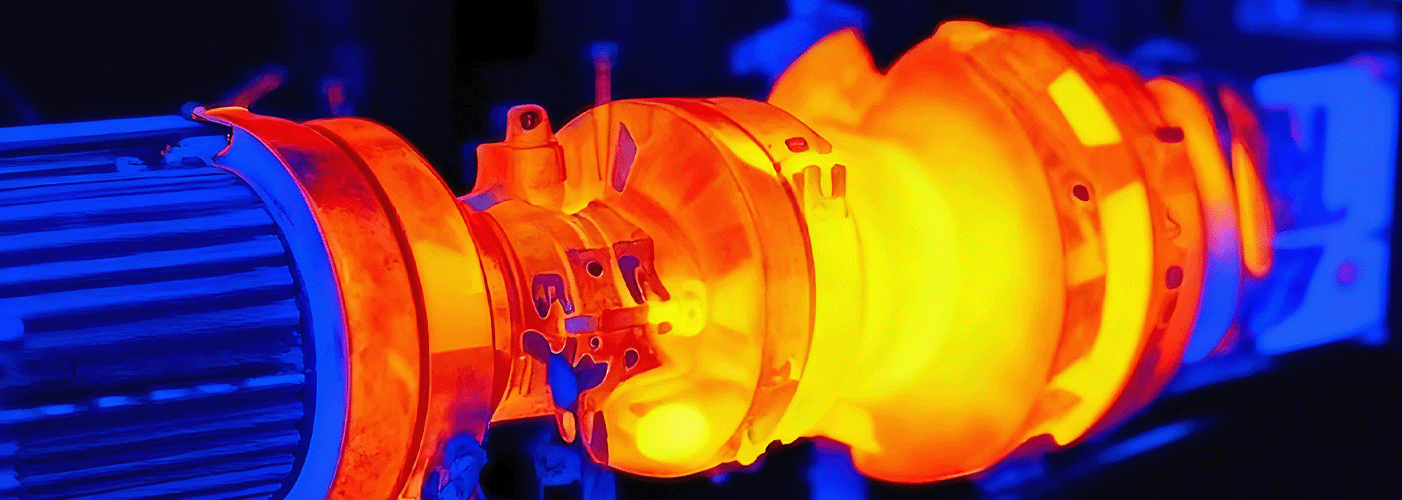
Equipment fault detection: Identify abnormal heat points in equipment such as motors, bearings, and circuit boards to provide early warning of faults (e.g., short circuits, mechanical wear).
Building inspection: Locate issues like missing thermal insulation layers on building exteriors, pipe leaks, and circuit overloads without damaging the walls.
2. Public Security Field
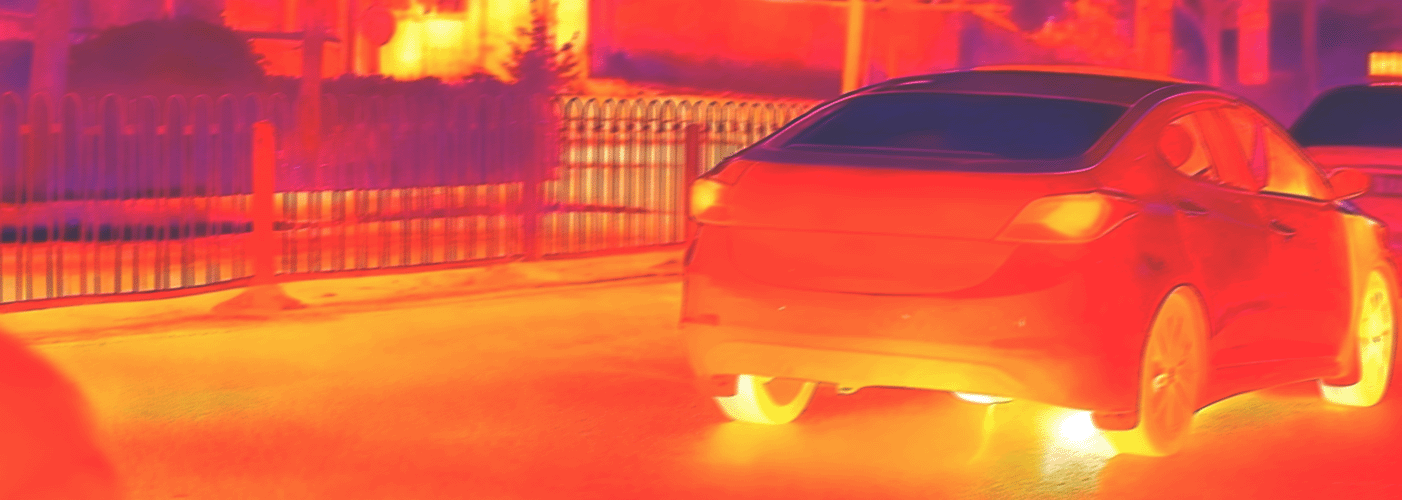
Security monitoring: Recognize hidden personnel and vehicles at night or in severe weather (fog, rain) to support border patrols and campus security.
Fire rescue: Penetrate smoke to find trapped people or detect high-temperature hazard points in fire scenes (e.g., gas cylinders, chemical barrels).
3. Medical and Health Care Field
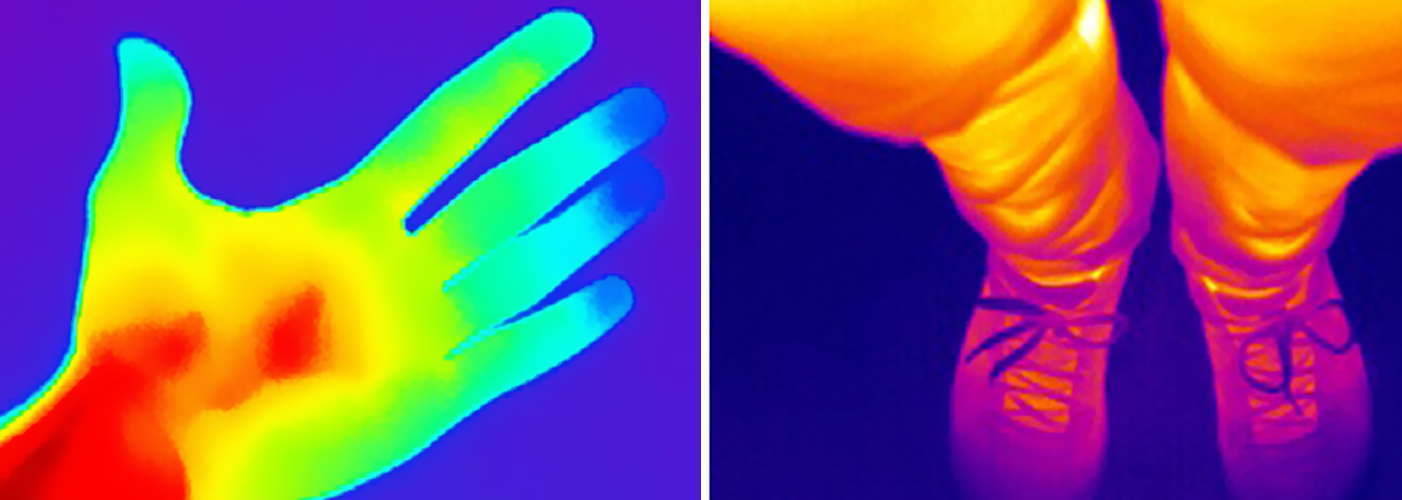
Body temperature screening: Quickly conduct batch temperature checks on crowds during epidemics to identify individuals with fever and reduce the risk of cross-infection.
Auxiliary diagnosis: Assist in monitoring inflammation, abnormal blood circulation, etc., through the analysis of local temperature distribution in the human body (professional medical judgment is required).
4. Civilian Consumption Field
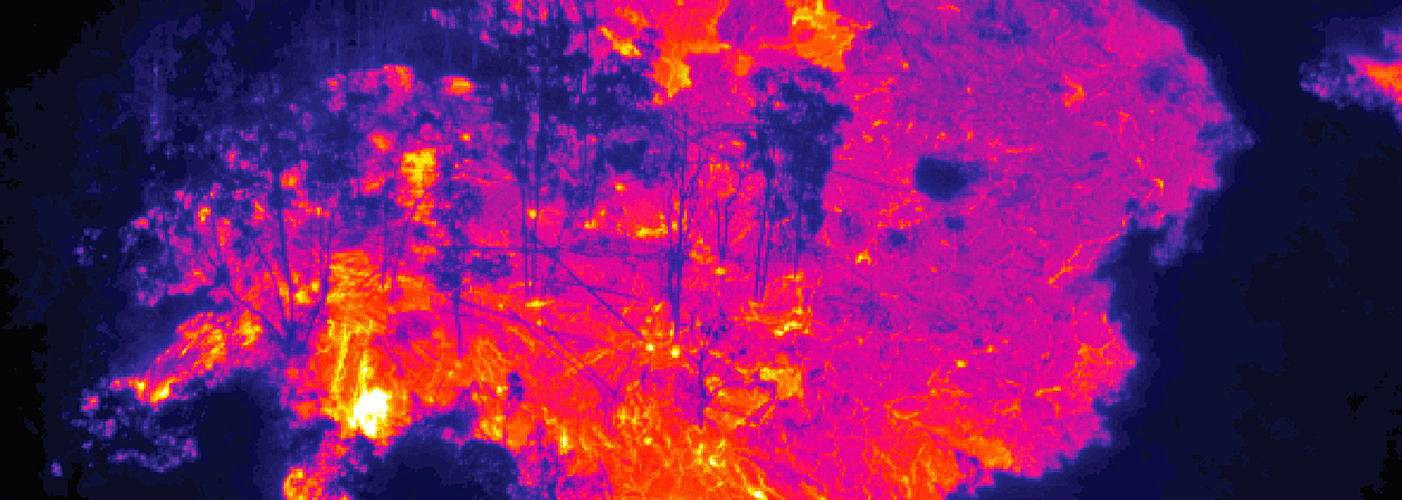
Outdoor exploration: Observe the traces of wild animals at night and identify terrain hazards (e.g., high-temperature hot springs, volcanic areas).
Home appliance maintenance: Detect the cooling pipelines of refrigerators and the heat dissipation of outdoor air conditioning units to determine whether home appliances are operating normally.