EN
EN


Applications of Weld Monitoring Cameras in Automotive Manufacturing
Ensuring Process Stability and Defect Prevention with Weld Monitoring Cameras
High-speed thermal and visible-light imaging for real-time weld defect detection
Modern weld monitoring cameras capture thermal and visible-spectrum data at up to 1,000 fps (Photonics Spectra 2023), enabling immediate detection of critical defects like porosity, undercutting, and cracks. Dual-spectrum imaging reveals subsurface anomalies invisible to standard optics by monitoring temperature gradients across the weld pool. This capability is especially vital in automotive chassis components, where a single defective joint can compromise structural integrity. Crucially, thermal signatures identify unstable arc conditions before visible defects form—enabling corrective action within milliseconds.
AI-powered inline analysis using weld monitoring cameras in high-volume automotive lines
Integrating weld monitoring cameras with AI transforms production lines into self-correcting systems. Machine learning algorithms process visual and thermal data to predict joint failures 0.5 seconds before occurrence with 99.2% accuracy (Fraunhofer Institute 2024), auto-adjust robotic welding parameters in real time, and classify root causes of defects through pattern recognition. In high-volume automotive assembly, this reduces scrap rates by 40% and cuts inspection labor by 70%. Manufacturers achieve closed-loop control by feeding camera data directly to PLCs—enabling real-time corrections without halting production. Given that unresolved weld defects cost an average of $740k per production line annually (Ponemon Institute 2023), AI-enhanced weld monitoring is no longer optional but foundational to quality assurance.
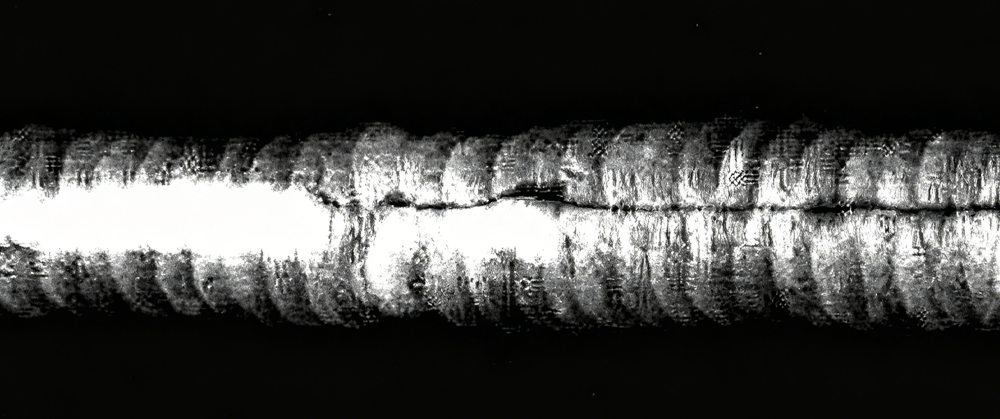
Enabling Precision in Body-in-White Assembly via Vision-Based Weld Monitoring Cameras
Vision-based solutions revolutionize automotive body-in-white manufacturing by delivering micron-level accuracy in weld joint positioning.
HDR-enabled laser welding monitoring for seam integrity and alignment verification
High Dynamic Range (HDR) imaging overcomes arc interference that plagues conventional monitoring. By filtering intense light emissions, HDR cameras capture clear weld pool and keyhole dynamics essential for defect detection. Vision-based systems reduce alignment errors to just 0.31 mm (Journal of Manufacturing Processes 2024), ensuring:
- Seam integrity through full-penetration verification
- Elimination of micro-gap misalignments
- Continuous tracking of curved joint profiles
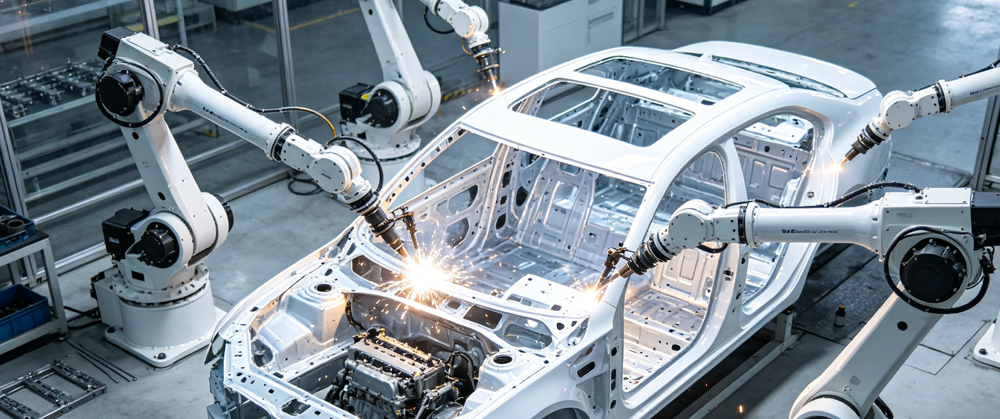
Robotic weld quality control with synchronized weld monitoring camera feedback loops
Real-time image processing integrates directly with robotic controllers to create closed-loop correction systems. Unlike standalone thermal cameras, synchronized weld monitoring cameras trigger instant robotic path adjustments when deviations exceed thresholds. Key advantages include immediate compensation for material warping, adaptive welding parameter adjustment, and prevention of undercut or overfill defects. This integrated approach reduces rework by 37% in high-volume production environments compared to manual inspection methods.
Advancing EV Battery Production with Thermal and Weld Pool Imaging Cameras
Real-time keyhole and weld pool visualization for battery cell and pack joining
Precision welding is critical in electric vehicle (EV) battery manufacturing, where microscopic defects can compromise safety and performance. Thermal and visible-light weld monitoring cameras enable real-time visualization of keyhole dynamics and molten pool behavior during laser welding of battery cells and packs. These specialized systems capture temperature gradients exceeding 1,500°C and track molten metal flow at 5,000 frames per second—detecting instabilities milliseconds before defects form. By analyzing keyhole collapse risks or irregular pool solidification patterns, manufacturers prevent internal porosity and micro-cracks in battery enclosures.
The integration of AI algorithms with weld monitoring camera streams allows automated classification of anomalies—such as spatter formation or incomplete penetration—during high-speed joining of nickel-aluminum busbars and lithium-ion cell casings. This inline inspection capability reduces post-weld quality verification by 80% while maintaining near-zero defect rates in volume production. Thermal imaging further safeguards against thermal runaway risks by identifying localized overheating zones during tab welding. As EV battery energy densities increase, synchronized monitoring ensures hermetic seals in battery pack enclosures withstand extreme vibration and thermal cycling.
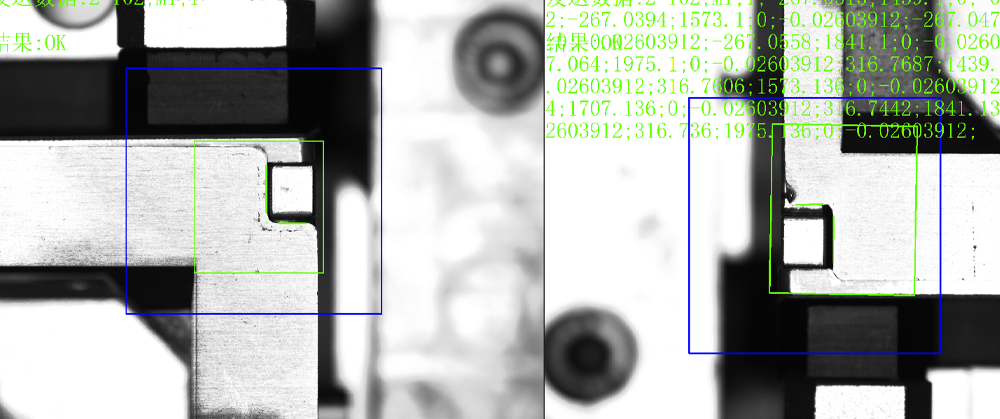
Bridging the Gap: From Data Capture to Closed-Loop Process Control with Weld Monitoring Cameras
Modern weld monitoring cameras capture granular thermal signatures and visual defects in real-time, feeding this data into Programmable Logic Controllers (PLCs) or centralized databases. Advanced systems transform this input into dashboards that highlight deviations in heat input, arc stability, and seam alignment—enabling operators to optimize weld parameters across production lines. By correlating camera outputs with material properties and weld specifications, manufacturers achieve full traceability and preventative maintenance capabilities. However, translating raw data into responsive closed-loop control remains challenging due to equipment complexity and process variability across materials. Truly adaptive systems require flexible architectures that automatically adjust welding parameters during operation to correct flaws—reducing scrap rates by over 40% according to industry benchmarks.
Ready to Transform Your Automotive Welding Quality Control with a Weld Monitoring Camera?
A high-performance weld monitoring camera is the cornerstone of reliable, cost-effective automotive manufacturing—enabling 100% non-destructive inspection, closed-loop process control, and compliance with the strictest global safety standards. By deploying a purpose-built weld monitoring camera tailored for automotive applications, you’ll reduce scrap rates, cut rework costs, eliminate field failures related to welding defects, and accelerate time-to-market for new vehicle programs.
For industrial-grade weld monitoring camera solutions tailored to your BIW assembly, powertrain production, or EV battery manufacturing application, or to build a fully integrated welding quality control system with complementary lenses, lighting, and AI analytics tools (as offered by HIFLY), partner with a provider rooted in automotive machine vision expertise. HIFLY’s 15 years of experience spans weld monitoring camera design, full OEM/ODM custom manufacturing, and end-to-end automotive automation system integration—backed by global technical support and dedicated engineering services for high-volume production lines. Contact us today for a no-obligation consultation, custom sample testing, or to design a weld monitoring solution optimized for your automotive manufacturing workflow.