EN
EN


Warum neigen Maschinenvisionsprojekte dazu, im späteren Lebenszyklus instabil zu werden?
In einem Maschinenvision-System bestimmt die Lichtquelle die Grundlage für die Bildgebung, und der Controller bestimmt die Stabilität der Bildgebung. In vielen Projekten lassen sich zu Beginn zufriedenstellende Ergebnisse erzielen, doch das System wird später instabil. Häufig liegt die Ursache nicht in der Kamera oder dem Algorithmus, sondern in der Unterschätzung der Steuerungseinheit für die Lichtquelle.
In der Realität -in praktischen Projekten steht meist die Kamera, das Objektiv, der Algorithmus und die Art der Lichtquelle im Fokus, während der Controller deutlich weniger Beachtung findet. Das Ergebnis ist: gute Leistung im Labor, doch sobald das System beim Kunden vor Ort eingesetzt wird, über längere Zeit läuft oder mit hohen Taktraten arbeitet, treten Probleme auf.
Häufige Symptome sind:
● Schwankende Bildhelligkeit
● Schlechte Konsistenz zwischen verschiedenen Produktionschargen
● Langsame Beleuchtungsreaktion bei Hochgeschwindigkeitsauslösung
● Driftende Prüfergebnisse nach langfristigem Betrieb
● Deutliche Erwärmung der Lichtquelle und beschleunigte Lebensdauerverkürzung
Auf den ersten Blick scheinen dies „Image-Probleme“ zu sein, doch im Kern beruhen viele von ihnen auf einer falschen Auswahl der Steuerungseinheit.
ⅰ. Warum gewinnt die Steuerungseinheit in maschinellen Sehsystemen zunehmend an Bedeutung?
In den letzten Jahren hat sich bei maschinellen Sehsystemen ein deutlicher Wandel vollzogen: Der Fokus der Kunden hat sich von „Kann es prüfen?“ hin zu „Kann es langfristig zuverlässig prüfen?“ verschoben.
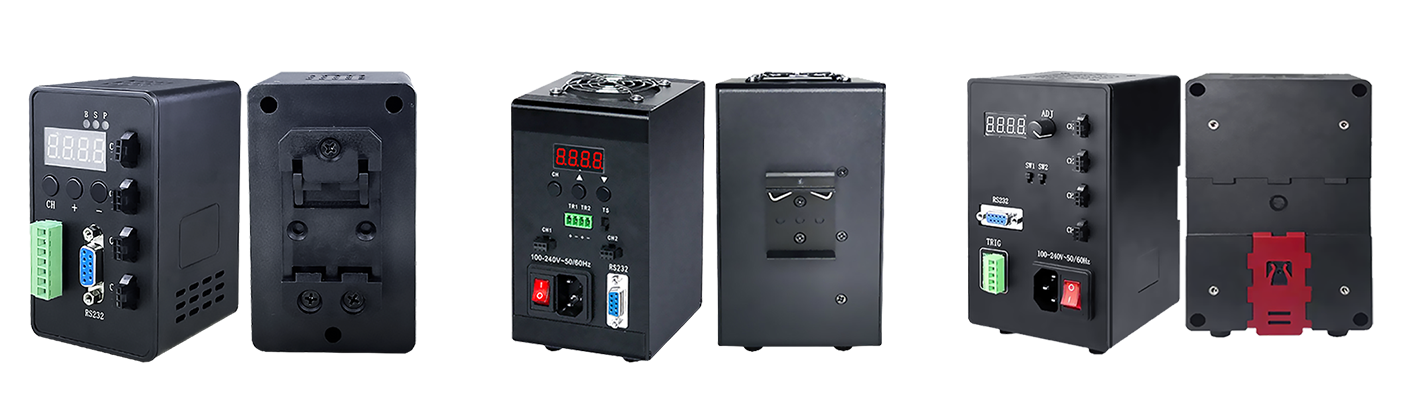
Insbesondere in Branchen wie 3C-Elektronik, Halbleitern, Neue Energien, Automobilzulieferteilen, Verpackung und Pharmazie gehen die Projektanforderungen typischerweise über die reine Bildaufnahme hinaus. Sie verlangen:
● Stabile Langzeit- -betrieb
● Konsistente Ausgabe bei hohen Taktraten
● Einheitliche Bildgebung über mehrere Stationen und Chargen hinweg
● Niedrigere Wartungshäufigkeit
● Bessere Energieeffizienz und thermische Managementfähigkeit
Vor diesem Hintergrund ist die Bedeutung der Steuerungseinheit deutlich gestiegen.
Ein Controller versorgt die Lichtquelle nicht einfach nur mit Strom; vielmehr übernimmt er mehrere zentrale Aufgaben:
● Stabile Ausgabe an die Lichtquelle bereitstellen
● Feine Helligkeitsanpassung ermöglichen
● Synchrones Auslösen mit der Kamera koordinieren
● Spitzenleistung im Verhältnis zur Dauerbetriebsleistung verwalten
● Unterdrückung von Schwankungen, die durch Überhitzung und anormale Zustände verursacht werden
Aus Sicht des Gesamtsystems stellt der Controller die entscheidende Schnittstelle zwischen der optischen Lösung und der Feldstabilität dar.
Ii. Warum sind viele Bildverarbeitungsprobleme im Grunde Steuerungsprobleme?
Ein weit verbreiteter Irrtum in Anwendungen der industriellen Bildverarbeitung: Sobald die Bildqualität schlecht ist, werden zunächst Kamera, Objektiv und Algorithmus verdächtigt. Tatsächlich sollte der Controller jedoch häufig einer der ersten zu prüfenden Komponenten sein.
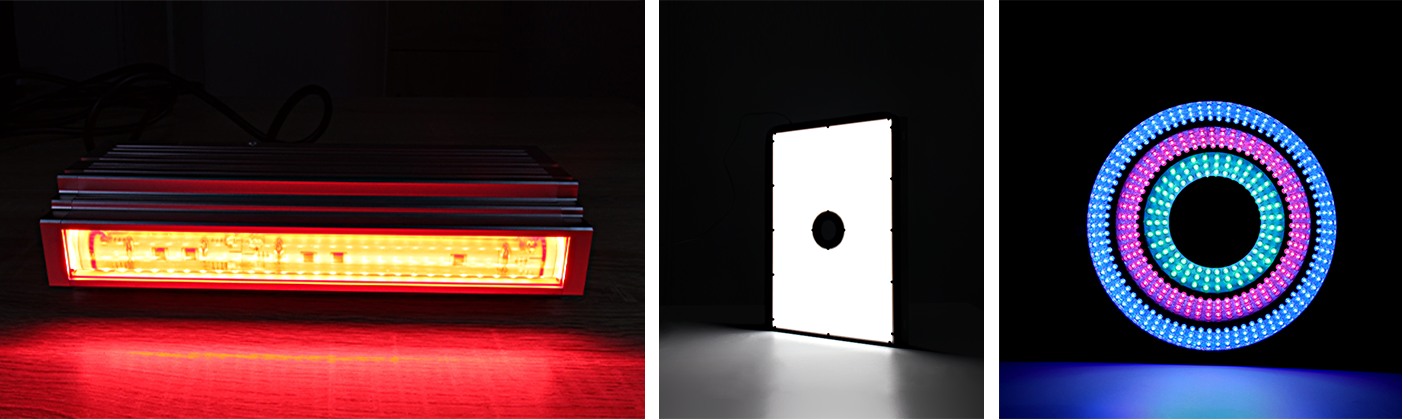
Der Grund hierfür ist einfach: Ist die Ausgabe des Controllers instabil, so wirkt sich dies unmittelbar auf Helligkeit, Reaktionsverhalten und thermischen Zustand der Lichtquelle aus – und jede dieser Veränderungen spiegelt sich direkt im Bild wider.
2.1 Ausgangsschwankungen führen unmittelbar zu Inkonsistenzen bei der Graustufendarstellung
Bei Aufgaben wie dimensionsbezogener Messung, Positionierung/Erkennung und Fehlererkennung ist die Konsistenz der Bild-Graustufen äußerst wichtig. Ist der Ausgangsstrom oder die Ausgangsspannung des Controllers instabil, ist das unmittelbare Ergebnis eine schwankende Lichtintensität, was zu folgenden Problemen führt:
● Instabile Schwellenwerte
● Veränderliche Ergebnisse bei der Kantenerkennung
● Verringerte Kontrastdarstellung von Fehlern
● Schlechte Wiederholgenauigkeit der Algorithmen
In vielen Projekten liegt das Problem nicht in einer unzureichenden Robustheit der Algorithmen, sondern in einer instabilen Eingabe seitens der vorgelagerten Komponenten.
2.2 Unzureichende Ansprechgeschwindigkeit beeinträchtigt Hochgeschwindigkeitsanwendungen
Bei Anwendungen wie Hochgeschwindigkeits-Durchlaufabbildung, kurzbemessener Bewegungsfixierung durch Belichtung sowie externer Trigger-Synchronisation ist die Ansprechfähigkeit des Controllers entscheidend. Fehlt es dem Controller an Blitzreaktionsfähigkeit, Steilheit des Anstiegsflanks oder Synchronisationskonsistenz, treten folgende Probleme auf:
● Unzureichende Helligkeit innerhalb des Belichtungszeitfensters
● Kantenverwischung
● Unfähigkeit, feine Details einzufangen
● Sinkende Erkennungsrate bei steigenden Taktzyklen
Oberflächlich betrachtet wirken diese wie „unscharfe Bilder“, doch die eigentliche Ursache liegt darin, dass die Steuerung nicht das volle Potenzial der Lichtquelle ausschöpft.
2.3 Thermische Drift führt dazu, dass das System „zunächst funktioniert, später ausfällt“
Viele Projekte zeigen zu Beginn gute Testergebnisse, doch nach mehrstündiger Dauerbetriebszeit beginnt die Bildqualität zu schwanken. Solche Probleme hängen häufig unmittelbar mit dem thermischen Management zusammen.
Fehlt der Steuerung ein effektives thermisches Management, so steigt mit zunehmender Betriebszeit die Temperatur der Lichtquelle und der Treiberseite, was möglicherweise zu folgenden Effekten führt:
● Verminderte Ausgangsleistung
● Helligkeitsdrift
● Schlechte Konsistenz
● Verkürzte Lebensdauer der Lichtquelle
Daher sind viele „Probleme, die nach einer gewissen Zeit auftreten“, keine zufälligen Ausfälle; sie resultieren aus einer unzureichenden Berücksichtigung der Dauerbetriebsfähigkeit des Controllers während der Konstruktion.
Iii. Welche sind die wichtigsten Controller-Spezifikationen zur Bewertung?
Aus der Sicht einer Maschinenvisionsanwendung sollte die Auswahl des Controllers nicht allein darauf basieren, ob „er die Beleuchtung einschaltet“. Stattdessen sind folgende Aspekte zu berücksichtigen.
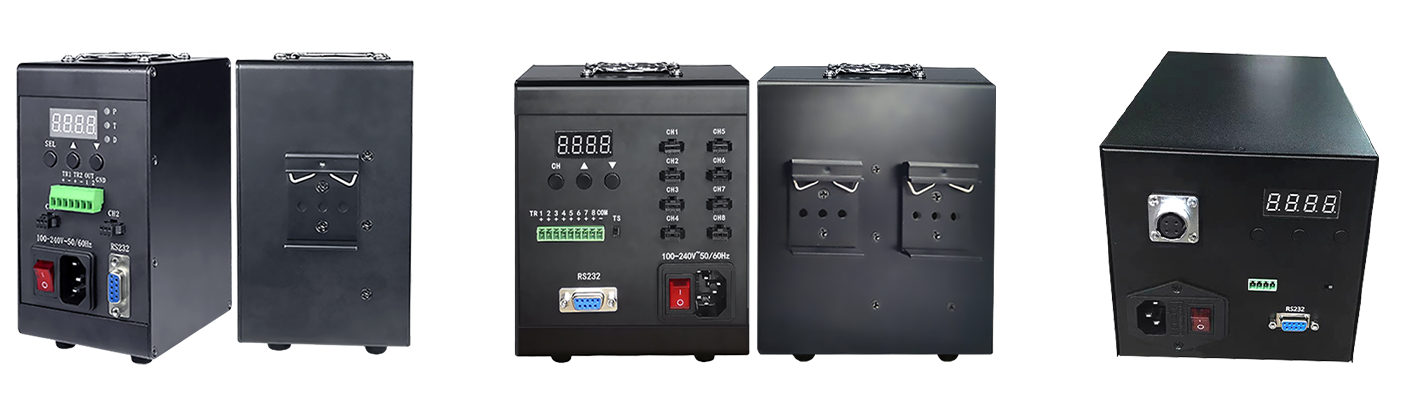
3.1 Entspricht die Ausgangsleistung wirklich den Anforderungen der Lichtquelle?
Dies ist die grundlegendste Anforderung. Die maximale Ausgangsleistung des Controllers sollte mindestens die tatsächlichen Anforderungen der Lichtquelle abdecken – idealerweise mit einem gewissen Puffer.
Gerade in diesen Szenarien darf niemals nach dem Prinzip „gerade ausreichend“ ausgewählt werden:
● Hoch -stromversorgung für Lichtquellen
● Hoch -anwendungen mit Frequenz-Stroboskop
● Multi -gleichzeitiger Betrieb mehrerer Kanäle
● Lang -dauerbetriebsdauer
● Kurz -hohe Exposition -anwendungen mit Geschwindigkeitskameras
Wenn die Stromversorgungskonstruktion zu knapp bemessen ist, funktioniert das System möglicherweise im Labor, doch sobald Temperaturanstieg, Lastschwankungen, Dauerbetrieb und andere Feldbedingungen zusammenwirken, treten wahrscheinlich Probleme auf.
3.2 Reichen Genauigkeit und Regelbereich der Dimmfunktion aus?
Bei der Maschinenvision ist die Helligkeitssteuerung nicht über „je gröber, desto besser“ – es geht vielmehr um „je feiner steuerbar, desto besser“. Gerade bei kontrastempfindlichen Aufgaben wie Oberflächenfehlerinspektion, Zeichenerkennung und Kantenerkennung ist häufig eine feine Helligkeitsanpassung erforderlich.
Die Dimmleistung beeinflusst hauptsächlich zwei Aspekte:
● Effizienz der Feldabstimmung
● Fähigkeit zur reproduzierbaren Bildgebung
Sind die Dimmschritte des Controllers zu grob, so fällt es Feldingenieuren schwer, das Bild zu optimieren. Ist die Reproduzierbarkeit gering, lassen sich selbst bei dokumentierten Parametern die gleichen Ergebnisse nicht an unterschiedlichen Geräten oder in verschiedenen Produktionschargen reproduzieren.
3.3 Erfüllen die Auslöseantwort und die Synchronisation die Anforderungen an die Taktrate?
Bei Hochgeschwindigkeits-Fertigungslinienprojekten muss der Controller eine zuverlässige Synchronisation mit der Kamera, der SPS oder dem Hostsystem gewährleisten. Dabei geht es nicht nur darum, „auslösbar“ zu sein; vielmehr sind folgende Merkmale erforderlich:
● Steuerbare Antwortlatenz
● Stabile Blitzausgabe
● Gute Konsistenz von einem Auslöseereignis zum nächsten
● Keine Dämpfung oder Drift bei hoher -betriebsfrequenz
Diese Fähigkeiten bestimmen unmittelbar, ob der Controller für Hoch -geschwindigkeits-Bildgebungsanwendungen geeignet ist.
3.4 Sind das thermische Management und die Schutzmechanismen umfassend?
Die Fähigkeit zum thermischen Management wird in vielen Projekten oft übersehen, ist jedoch tatsächlich von entscheidender Bedeutung. Ein für industrielle Umgebungen geeigneter Controller benötigt typischerweise ziemlich umfassende Schutz- und Managementfunktionen, wie beispielsweise:
● Über -temperaturschutz
● Über -momentaner Schutz
● Überwachung der Ausgangsgrößen
● Alarme bei anormalen Zuständen
● Stabile Leistungsregelung während des Langzeitbetriebs
Diese Funktionen mögen zwar nicht wie „Bildgebungs-Spezifikationen“ erscheinen, doch sie bestimmen, ob das System tatsächlich zuverlässig im Einsatz eingesetzt werden kann.
Iv. Ein typisches Industrieszenario: Warum verschlechtert sich die Laborleistung auf der Produktionslinie?
Dieses Phänomen tritt in der Maschinenvision sehr häufig auf.
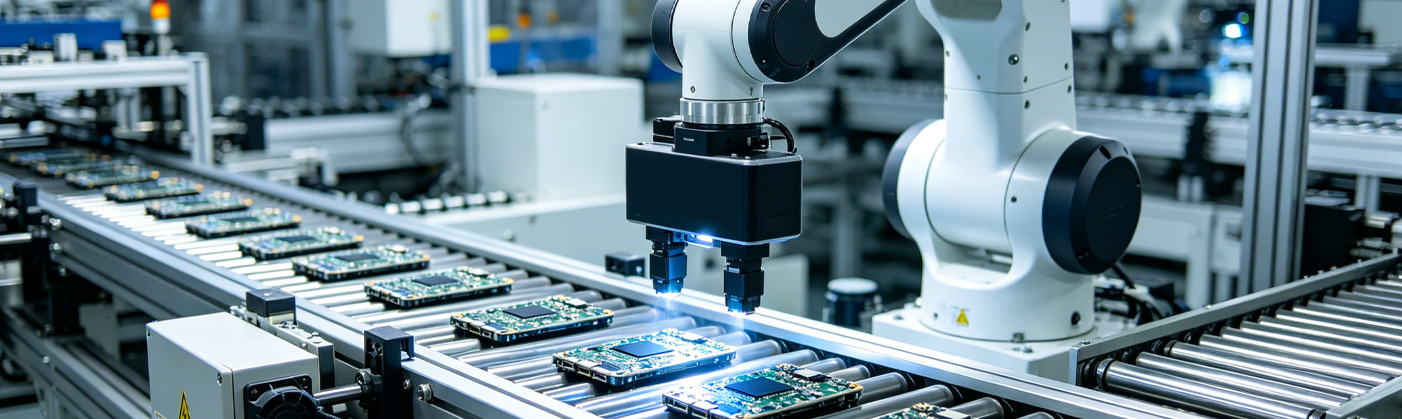
Nehmen wir als Beispiel die Oberflächeninspektion von 3C-Komponenten. Während der frühen Laborvalidierung ist die Anzahl der Proben begrenzt, die Umgebungstemperatur stabil und die Betriebszeiten kurz – das System arbeitet oft ideal. Sobald die Anlage jedoch in den Produktionsbetrieb geht, ändern sich die Bedingungen drastisch:
● Höhere Taktzyklusraten
● Längere kontinuierliche Laufzeiten
● Wechselnde Umgebungstemperatur
● Schwankungen zwischen Werkstückchargen
● Höhere Auslösefrequenz zwischen Kamera und Lichtquelle
Falls die Steuerung eines der folgenden Probleme aufweist:
● Unzureichende Ausgangsreserve
● Mangelhafte Hochfrequenzantwort
● Schwache thermische Managementfunktion
● Schlechte Wiederholgenauigkeit der Dimmfunktion
Dann leidet das System leicht unter Bildschwankungen, was zu falsch-positiven Ergebnissen, übersehenen Fehlern oder wiederholten Parameteranpassungen führt.
Deshalb scheitern viele Projekte nicht etwa deshalb, weil „die Lösung falsch war“, sondern weil das Systemengineering unvollständig war. Die richtige Lichtquelle wird ausgewählt, doch die Steuerung ist nicht entsprechend abgestimmt – was letztlich das Gesamtergebnis beeinträchtigt.
V. Aus Anwendungssicht: Warum kann die Steuerung nicht mehr als „Zubehör“ betrachtet werden?
Bei einigen früheren Projekten wurde die Steuerung oft als periphere Komponente angesehen – solange sie die Lichtquelle steuern konnte, war das ausreichend. Doch mit zunehmender Komplexität von Machine-Vision-Anwendungen wird diese Denkweise immer weniger angemessen.
Denn die Steuerung beeinflusst nicht mehr nur die Beleuchtungsaktion; sie wirkt sich auf zentrale Kenngrößen des gesamten Systems aus:
● Bildstabilität
● Eingangsqualität für Algorithmen
● Effizienz der Projekteinstellung
● Fähigkeit des Geräts zum kontinuierlichen Betrieb
● Lebensdauer der Lichtquelle und Wartungsintervalle
● Potenzial für zukünftige Erweiterungen und Upgrades
Mit anderen Worten: Obwohl die Steuerung nicht direkt an der Bildverarbeitung beteiligt ist, bestimmt sie unmittelbar, ob die Eingangsqualität für die Bildverarbeitung stabil ist. Und sobald die Front-End-Eingabe in einem Machine-Vision-System instabil wird, kann selbst die leistungsfähigste Back-End-Lösung lediglich Schadensbegrenzung betreiben.
VI.die Auswahl eines Controllers ist im Wesentlichen der Aufbau der Grundlage für die Systemstabilität
Bei der Konzeption der Beleuchtungslösung sollten Sie sich nicht nur auf die Art der Lichtquelle, die Helligkeit und die Montagemethode konzentrieren. Prüfen Sie zudem, ob der Controller tatsächlich den Anforderungen des Projekts entspricht, und achten Sie dabei besonders auf:
● Ausgangsleistung
● Dimmgenauigkeit
● Auslöseverhalten
● Thermisches Management
● Zuverlässigkeit bei Dauerbetrieb
Mit einem richtig ausgewählten Controller kann die Leistung der Lichtquelle vollständig ausgeschöpft werden. Mit einem ungeeigneten Controller wird selbst die beste Lichtquelle langfristig im Einsatz nur schwer stabil laufen.