EN
EN


SWIR कैमरा बनाम LWIR कैमरा: प्रमुख अंतर
औद्योगिक OEM, सिस्टम इंटीग्रेटर्स और विनिर्माण के हितधारकों के लिए, SWIR कैमरा और LWIR कैमरा के बीच चयन करना एक महत्वपूर्ण निर्णय है जो निरीक्षण की सटीकता, प्रक्रिया की दक्षता और निवेश पर रिटर्न (ROI) को सीधे प्रभावित करता है।
मौलिक डिटेक्शन भौतिकी: प्रतिबिंबित SWIR बनाम उत्सर्जित LWIR
के बीच मूल अंतर कैमरा घुमाएँ और lWIR कैमरा उनके फोटॉन डिटेक्शन तंत्र में निहित है, जो उनकी इमेजिंग क्षमताओं, पर्यावरणीय आवश्यकताओं और आदर्श उपयोग के मामलों को निर्धारित करता है। इन मूलभूत अंतरों को समझना, प्रौद्योगिकी और अनुप्रयोग की आवश्यकताओं के बीच महंगी गलत सुविधा से बचने के लिए आवश्यक है।
फोटॉन डिटेक्शन तंत्र: SWIR कैमरा का रात्रि-प्रकाश (नाइटग्लो) और पर्यावरणीय प्रकाश के प्रतिबिंब पर निर्भरता
शॉर्ट-वेव इन्फ्रारेड (SWIR) कैमरे 0.9–1.7 μm के स्पेक्ट्रल बैंड में फोटॉन का पता लगाते हैं, और ये केवल प्रतिबिंबित अवरक्त विकिरण को पकड़कर ही काम करते हैं, न कि तापीय उत्सर्जन के माध्यम से। ये उच्च-रिज़ॉल्यूशन छवियाँ उत्पन्न करने के लिए वातावरणीय प्रकाश स्रोतों—जैसे वायुमंडलीय रात्रि-दीप्ति, चंद्रमा का प्रकाश, या लक्षित कृत्रिम प्रकाशन—पर निर्भर करते हैं। यह क्रियाविधि मानव आँख के लिए अदृश्य निकट-अवरक्त तरंगदैर्ध्यों (0.8–1.5 μm) को प्रकीर्णित या प्रतिबिंबित करने वाली सामग्रियों—जैसे लेज़र डिज़ाइनेटर्स—के स्पष्ट दृश्यायन को सक्षम बनाती है।
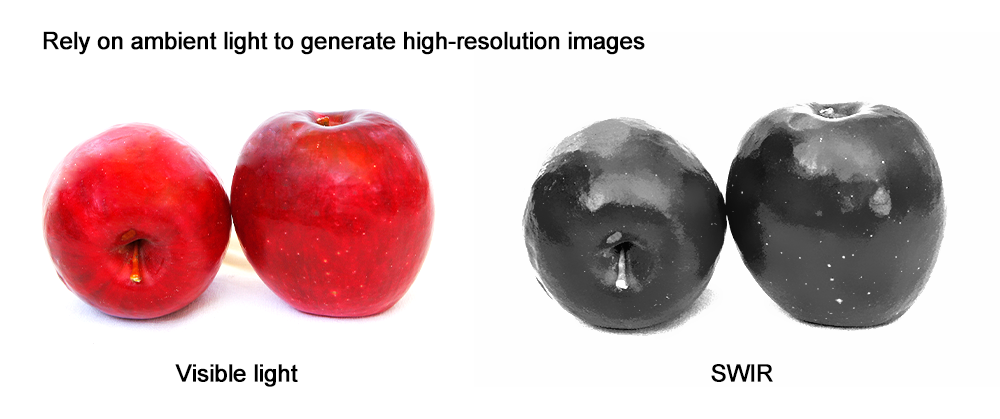
एक प्रमुख संचालनात्मक सीमा: SWIR कैमरे पूर्ण अंधेरे में कार्य नहीं कर सकते हैं, और जब वातावरणीय विकिरण फ्लक्स सेंसर की न्यूनतम संवेदनशीलता के दहलीज़ मान से नीचे गिर जाता है, तो इनका प्रदर्शन काफी हद तक कमजोर हो जाता है। HIFLY के औद्योगिक SWIR कैमरों में उच्च-संवेदनशील InGaAs सेंसर और वैकल्पिक सक्रिय SWIR प्रकाशन मॉड्यूल एकीकृत किए गए हैं, जो इस सीमा को कम करने में सहायता करते हैं और निम्न-प्रकाश औद्योगिक वातावरणों तथा नियंत्रित निरीक्षण कोष्ठों में भी विश्वसनीय प्रदर्शन प्रदान करते हैं।
तापीय उत्सर्जन सिद्धांत: LWIR कैमरे कैसे प्रकाश के बिना वस्तुओं की आंतरिक ऊष्मा का पता लगाते हैं
दीर्घ-तरंग अवरक्त (LWIR) कैमरे 8–14 μm के वर्णक्रम बैंड में कार्य करते हैं और प्लैंक के नियम के अनुसार, पूर्ण शून्य तापमान से ऊपर की सभी वस्तुओं द्वारा उत्सर्जित आंतरिक तापीय विकिरण का पता लगाते हैं। माइक्रोबोलोमीटर-आधारित सेंसर न्यूनतम तापमान अंतर (जैसे 0.05°C तक) को विद्युत संकेतों में परिवर्तित करते हैं, जिससे किसी भी बाह्य प्रकाश के बिना तापीय छवियाँ उत्पन्न होती हैं। यह LWIR को कुल अंधेरे, घने धुएँ या हल्की कोहरे जैसी परिस्थितियों में अद्वितीय रूप से प्रभावी बनाता है—ऐसी परिस्थितियाँ जहाँ दृश्यमान और SWIR कैमरे संघर्ष करते हैं या पूरी तरह विफल हो जाते हैं।
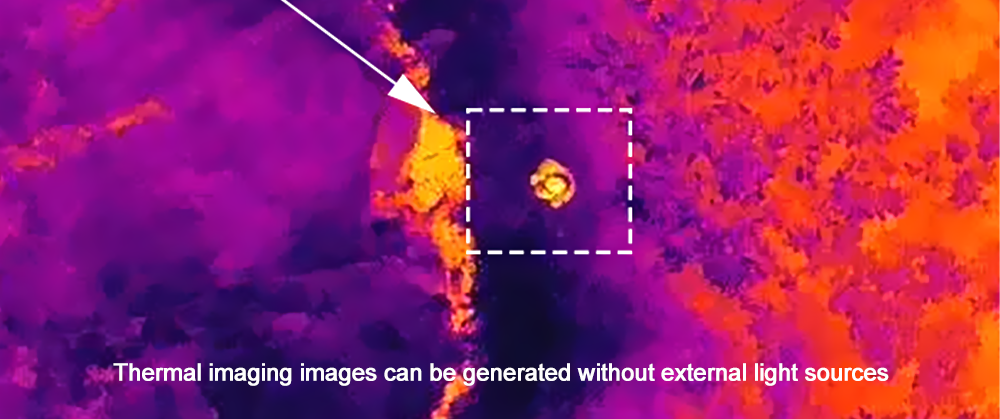
हालांकि, LWIR प्रौद्योगिकी में अंतर्निहित सीमाएँ हैं: LWIR बैंड में कम उत्सर्जन क्षमता या उच्च पारगम्यता वाले पदार्थ—जैसे कमरे के तापमान पर सिलिकॉन, मानक सोडा-लाइम ग्लास और पतली पॉलिमर फिल्में—बिना किसी विशेषता के या पारदर्शी दिखाई देते हैं, जिससे इन आधार सामग्रियों के लिए डिटेक्शन की शुद्धता सीमित हो जाती है। HIFLY की LWIR कैमरा श्रृंखला में सटीक गैर-संपर्क तापमान मापन के लिए कैलिब्रेटेड माइक्रोबोलोमीटर सेंसर और कठोर औद्योगिक तैनाती के लिए IP67-रेटेड मजबूत आवास शामिल हैं।
डिटेक्शन विशेषता |
कैमरा घुमाएँ |
एलडब्ल्यूआईआर कैमरा |
प्राथमिक संचालन सिद्धांत |
परावर्तित अवरक्त फोटॉन |
उत्सर्जित तापीय विकिरण |
आवश्यक प्रकाश स्रोत |
पर्यावरणीय या सक्रिय कृत्रिम प्रकाश |
वस्तु का आंतरिक ऊष्मा उत्सर्जन |
मुख्य निर्भरता |
बाह्य प्रकाश की उपलब्धता |
लक्ष्यों के बीच तापमान अंतर |
स्थानिक विभेदन |
उच्च (5 माइक्रोमीटर से कम प्राप्त किया जा सकता है) |
मध्यम (माइक्रोबोलोमीटर पिक्सेल पिच द्वारा सीमित) |
सामग्री की पारदर्शिता |
सिलिकॉन, पतले प्लास्टिक, वायुमंडलीय धुंध |
धुआँ, घना कोहरा, पूर्ण अंधकार |
अनुप्रयोग संरेखण: उद्योग की आवश्यकताओं के साथ SWIR कैमरा क्षमताओं का मिलान
जबकि LWIR कैमरा तापमान मापन और अंधेरे वातावरण में पता लगाने में उत्कृष्टता प्रदर्शित करते हैं, SWIR कैमरा उन अनुप्रयोगों में लक्षित लाभ प्रदान करते हैं जहाँ पारंपरिक दृश्य या थर्मल इमेजिंग असफल हो जाती है—विशेष रूप से उन अनुप्रयोगों में जिनमें सामग्री-विशिष्ट विपरीतता, उप-सतह दृश्यता या उच्च-रिज़ॉल्यूशन पर्यावरणीय दृढ़ता की आवश्यकता होती है। SWIR के अद्वितीय प्रकाशिक गुणों को मिशन-महत्वपूर्ण औद्योगिक कार्यप्रवाहों के साथ संरेखित करके, संगठन मौजूदा उत्पादन लाइनों को पुनः डिज़ाइन किए बिना उत्पादन दक्षता, सुरक्षा और प्रक्रिया नियंत्रण में मापने योग्य सुधार प्राप्त करते हैं।
अर्धचालक निर्माण में, एसडब्ल्यूआईआर (SWIR) कैमरे 1.1–1.7 माइक्रोमीटर के बैंड में सिलिकॉन की पारदर्शिता का लाभ उठाते हैं ताकि वेफर उत्पादन के दौरान सतह के नीचे की खामियों—जैसे सूक्ष्म-दरारें, डोपैंट में भिन्नताएँ, आंतरिक रिक्त स्थान और कणीय दूषण—की गैर-विनाशकारी छवि बनाई जा सके। हाईफ्लाई (HIFLY) के उच्च-रिज़ॉल्यूशन एसडब्ल्यूआईआर कैमरे फैब्रिकेशन सुविधाओं (fabs) को अंतिम पैकेजिंग से पहले इन महत्वपूर्ण दोषों का पता लगाने में सक्षम बनाते हैं, जिससे दृश्य प्रकाश निरीक्षण प्रणालियों की तुलना में अपशिष्ट दर 15–20% तक कम हो जाती है। इसके विपरीत, एलडब्ल्यूआईआर (LWIR) कैमरे इस अनुप्रयोग में असफल रहते हैं, क्योंकि सतह के नीचे की खामियों और सामान्य सिलिकॉन के बीच पर्याप्त तापीय विपरीतता (thermal contrast) नहीं होती है, जिसके कारण उन्हें सटीक अर्धचालक गुणवत्ता नियंत्रण के लिए अनुपयुक्त बना दिया जाता है।
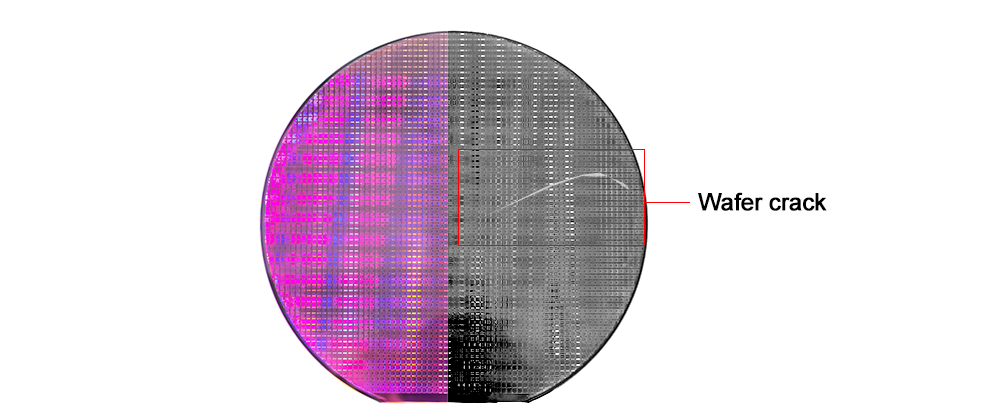
फोटोवोल्टिक निर्माण में, SWIR कैमरा की सामग्री संरचना के प्रति संवेदनशीलता इसे सौर सेलों में सूक्ष्म-दरारों और विलगन का पता लगाने के लिए अपरिहार्य बनाती है—ऐसे दोष जो न्यूनतम तापमान अंतर के कारण LWIR के लिए अक्सर अदृश्य होते हैं। HIFLY के SWIR निरीक्षण प्रणालियाँ वास्तविक समय के विश्लेषण को एकीकृत करती हैं ताकि दोषपूर्ण सेलों का ऑनलाइन वर्गीकरण और अलगाव किया जा सके, जिससे सौर पैनल की दक्षता और दीर्घकालिक विश्वसनीयता में सुधार होता है।
खाद्य और फार्मास्यूटिकल उत्पादन में, SWIR अपारदर्शी पैकेजिंग के माध्यम से गैर-संपर्क, ऑनलाइन आर्द्रता विश्लेषण और विदेशी वस्तुओं का पता लगाने की अनुमति देता है—उत्पाद की विशुद्धता को बनाए रखते हुए स्थिरता सुनिश्चित करते हुए। LWIR के विपरीत, जो अधिकांश पैकेजिंग सामग्रियों के माध्यम से देखने में सक्षम नहीं है, एक SWIR कैमरा भराव स्तरों की पुष्टि कर सकता है, प्लास्टिक के टुकड़ों का पता लगा सकता है और सील किए गए ब्लिस्टर पैक, पाउच और बोतलों के अंदर उत्पाद को खोले बिना या क्षतिग्रस्त किए बिना आर्द्रता सामग्री को माप सकता है।
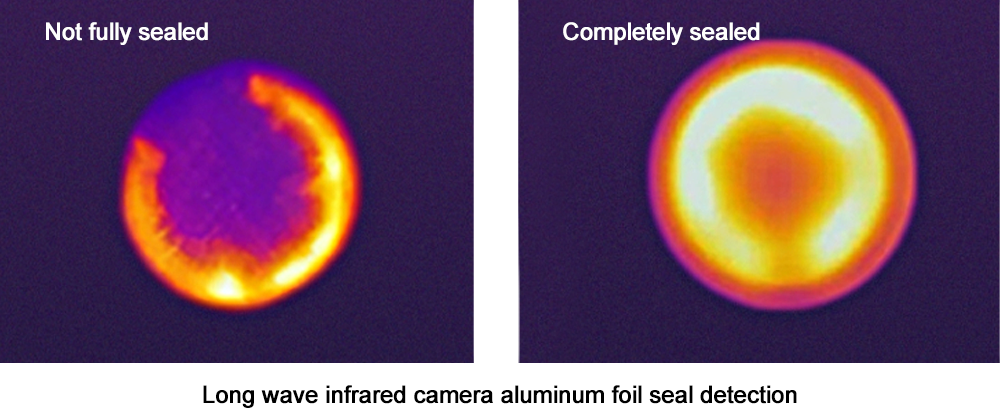
ऑटोमोटिव निर्माता वेल्ड की अखंडता की पुष्टि और सटीक कोटिंग मोटाई माप के लिए SWIR कैमरा के उच्च स्थानिक रिज़ॉल्यूशन पर निर्भर करते हैं, जबकि सुरक्षा और बुनियादी ढांचा संचालक बंदरगाह निगरानी और परिधि सुरक्षा के लिए धुंध, कोहरे और धूल को भेदने की इसकी क्षमता का लाभ उठाते हैं। इन सभी उपयोग के मामलों में, LWIR कैमरा तापमान निगरानी के लिए पूरक भूमिकाएँ निभाते हैं, लेकिन SWIR कैमरा की सामग्री-विशिष्ट और उप-सतह इमेजिंग क्षमताओं को दोहरा नहीं सकते हैं।
अपने औद्योगिक अनुप्रयोग के लिए सही अवरक्त कैमरा चुनने के लिए तैयार हैं?
एक SWIR कैमरा और LWIR कैमरा के बीच चयन करना पूर्णतः आपके अनुप्रयोग की विशिष्ट इमेजिंग आवश्यकताओं, पर्यावरणीय स्थितियों और गुणवत्ता नियंत्रण के लक्ष्यों पर निर्भर करता है। जबकि LWIR गैर-संपर्क तापमान माप और अंधेरे वातावरण में डिटेक्शन में उत्कृष्टता प्रदर्शित करता है, SWIR कैमरा सटीक औद्योगिक निरीक्षण के लिए अतुलनीय उप-सतह इमेजिंग, सामग्री-विशिष्ट कंट्रास्ट और उच्च-रिज़ॉल्यूशन प्रदर्शन प्रदान करता है। कोई भी एकल अवरक्त प्रौद्योगिकि प्रत्येक उपयोग के मामले के लिए आदर्श परिणाम प्रदान नहीं करती है, और एक अनुभवी विक्रेता के साथ साझेदारी करने से आप अपने कार्यप्रवाह के लिए सही समाधान का चयन करना सुनिश्चित कर सकते हैं।
उद्योग-श्रेणी के SWIR कैमरा या LWIR कैमरा के लिए समाधान आपके सेमीकंडक्टर, खाद्य एवं फार्मास्यूटिकल, स्वचालित वाहन या सुरक्षा अनुप्रयोग के अनुकूलित, या पूर्णतः एकीकृत इमेजिंग प्रणाली के निर्माण के लिए अतिरिक्त लेंस, प्रकाश व्यवस्था और AI विश्लेषण उपकरणों (जैसा कि HIFLY द्वारा प्रदान किया गया है) के साथ, औद्योगिक मशीन विज़न विशेषज्ञता में मूल रूप से स्थापित एक प्रदाता के साथ साझेदारी करें। HIFLY का 15 वर्षों का अनुभव SWIR और LWIR कैमरा डिज़ाइन, पूर्ण OEM/ODM अनुकूलित निर्माण और अंत से अंत तक विज़न प्रणाली एकीकरण को शामिल करता है—जो ISO 9001:2015 प्रमाणन, वैश्विक विनियामक अनुपालन सहायता और समर्पित डिज़ाइन-इन इंजीनियरिंग सेवाओं द्वारा समर्थित है। आज ही हमसे संपर्क करें ताकि आप बिना किसी दायित्व के परामर्श, अनुकूलित नमूना परीक्षण या अपनी परियोजना के लिए आदर्श अवरक्त कैमरा समाधान का चयन कर सकें।