EN
EN


Board Level Camera Guide for Embedded Vision Systems
For OEMs, system integrators, and embedded vision engineering teams, the board level camera is the foundational building block of compact, reliable, and high-performance embedded vision systems. This comprehensive guide breaks down the critical selection criteria, interface protocols, software ecosystem requirements, and physical integration best practices for board level cameras, to help your engineering team optimize embedded vision designs for industrial, medical, automotive, and smart infrastructure applications.
Key Selection Criteria for Board Level Cameras
Balancing Sensor Performance with Power and Thermal Constraints
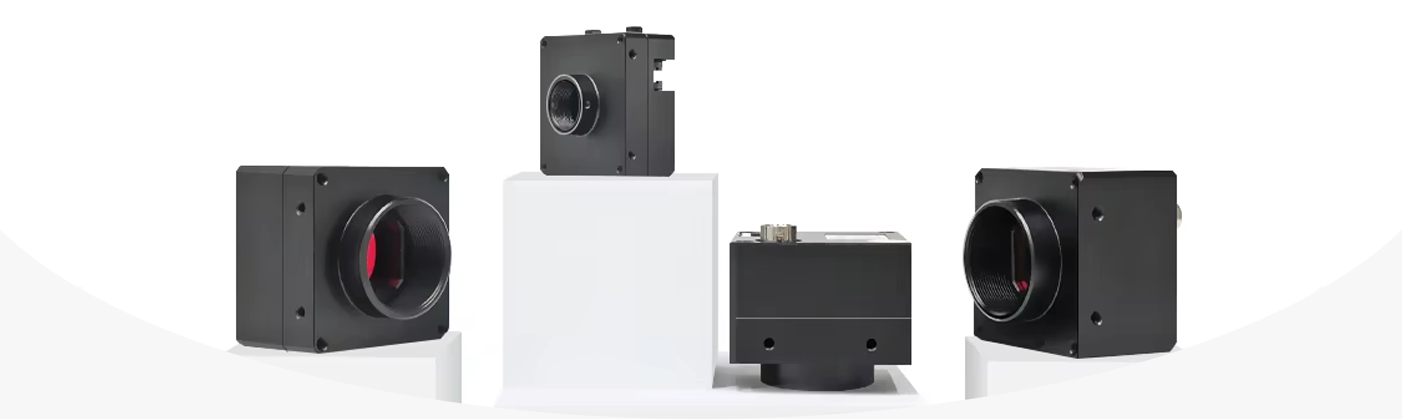
Selecting board level cameras requires optimizing sensor capabilities against power budgets and thermal limits. High-resolution sensors (e.g., 12MP+) consume 30–50% more power than 2–5MP equivalents, generating heat that compromises reliability in fanless designs. Industrial vision systems deployed in confined spaces benefit most from low-noise sensors drawing <1W while sustaining SNR >40dB. Engineers should validate thermal performance using infrared imaging during prototyping—sustained temperatures above 85°C accelerate sensor degradation by 4× (Journal of Embedded Systems, 2023).
Matching Resolution, Frame Rate, and Dynamic Range to Application Needs
Precision alignment of camera specifications to operational demands prevents over-engineering and cost inflation. Consider these critical pairings:
| Application | Optimal Specs | Rationale |
|---|---|---|
| Robotic Pick-and-Place | 5MP @ 60 fps, 120 dB DR | Balances part recognition speed with lighting-variant warehouse conditions |
| Medical Endoscopy | 1080p @ 30 fps, 75 dB DR | Minimizes motion blur in low-light cavities while reducing data bandwidth |
| Traffic Monitoring | 4K @ 24 fps, WDR (140 dB) | Captures license plates at dawn/dusk without motion artifacts |
High dynamic range (HDR) modes are essential where lighting fluctuates, though they add 15–20 ms of processing latency. Frame rate selection must reflect object velocity: conveyor inspections at 2 m/s require ≥120 fps to limit motion blur to under 0.5 pixels.
Interface Protocols for Reliable Board Level Camera Integration
USB 3.1, MIPI CSI-2, and LVDS: Bandwidth, Latency, and Real-World Suitability
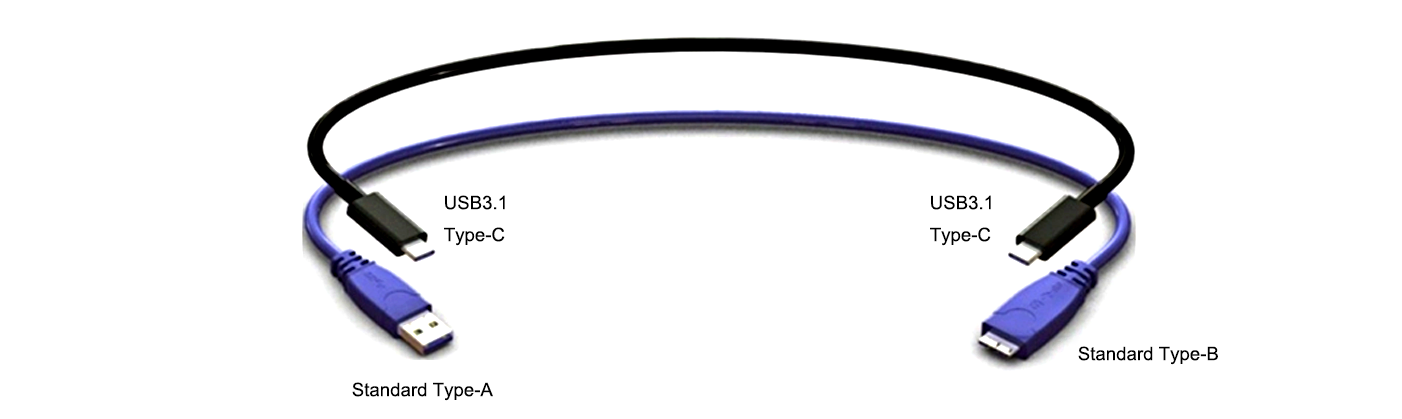
Selecting the optimal interface protocol for your board level camera requires balancing bandwidth, latency, and environmental constraints. USB 3.1 offers 5 Gbps throughput with plug-and-play simplicity—ideal for medical imaging or kiosks where cable lengths stay under 3 meters. MIPI CSI-2 delivers scalable bandwidth (up to 6 Gbps via 4 lanes) and ultra-low power consumption, making it the de facto standard for mobile and embedded ARM-based systems. LVDS provides superior noise immunity in electrically noisy settings like factory automation, though its sub-1 Gbps bandwidth limits high-resolution use cases. For real-time robotics, MIPI CSI-2’s sub-5ms latency outperforms USB 3.1’s 10–20ms range. Prioritize protocols based on deployment needs: USB 3.1 for rapid prototyping, MIPI for power-constrained edge devices, and LVDS for industrial machinery.
Software Ecosystem and SDK Support for Board Level Cameras
Cross-Platform SDKs (Spinnaker, Aravis) and ARM/x86 RTOS Compatibility
Robust software development kits (SDKs) are indispensable for accelerating vision system deployment with board level cameras. Cross-platform solutions like Spinnaker and Aravis provide standardized interfaces that abstract hardware complexities, enabling code portability between development and production environments. Spinnaker supports diverse architectures—including x86, ARM, and real-time operating systems (RTOS)—through unified APIs, allowing engineers to prototype on desktops and deploy seamlessly to embedded targets. Meanwhile, open-source frameworks like Aravis offer vendor-agnostic GenICam compliance for Linux-based systems. This architectural flexibility reduces integration hurdles by 40% according to embedded vision adoption studies (2023). Key considerations include RTOS compatibility for deterministic latency in industrial controls, multi-architecture support to future-proof against hardware migrations, and abstraction layers that simplify driver development. Compatibility with lightweight RTOS environments ensures reliable operation in resource-constrained applications like autonomous mobile robots or medical devices, where uninterrupted execution is non-negotiable.
Physical Integration: Form Factor, Lens Mounting, and Environmental Robustness
M12, S-Mount, and Custom Interfaces — Field-of-View and Optical Flexibility
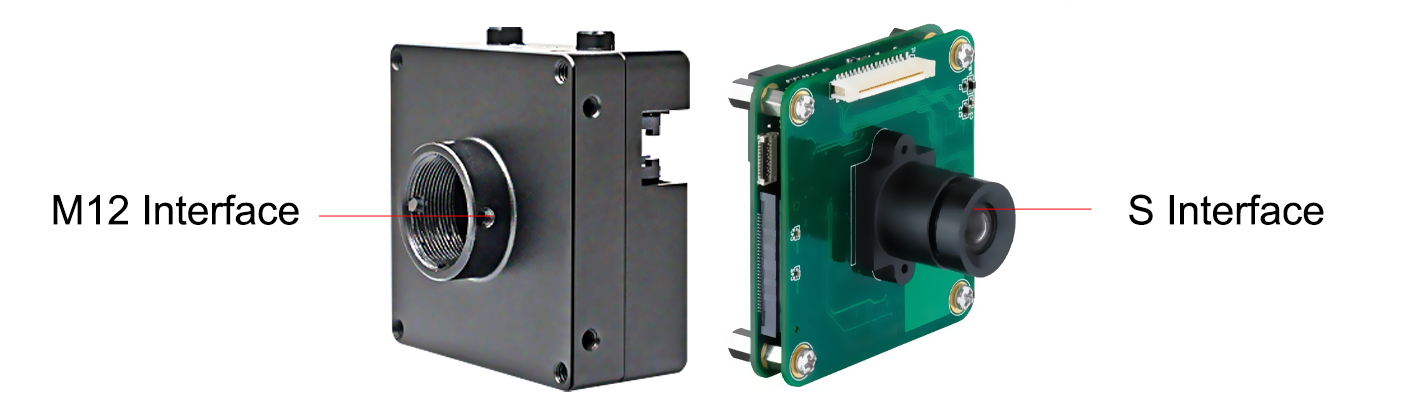
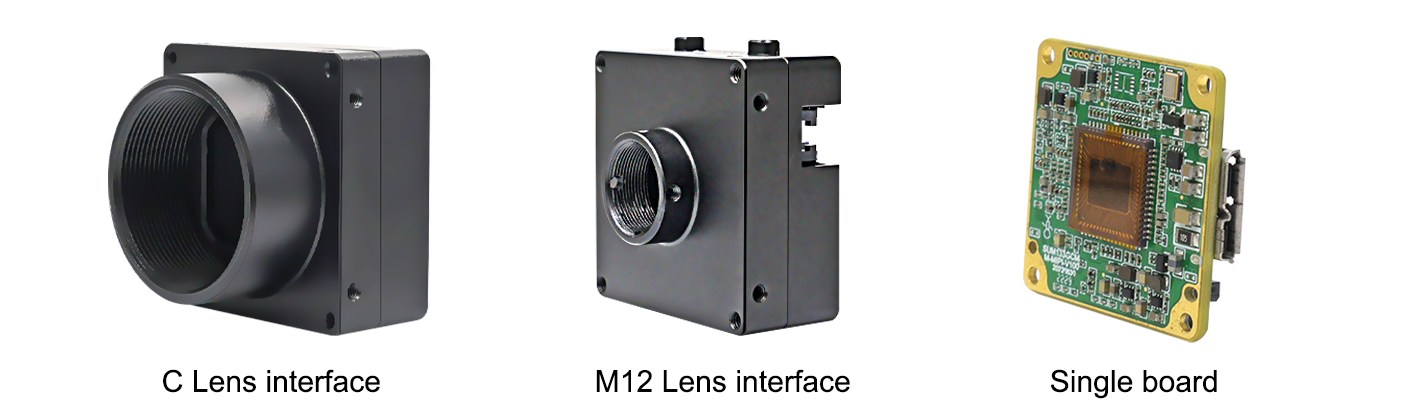
Lens mounting interfaces directly impact optical performance in embedded vision systems. Standardized M12 mounts offer cost-effective field-of-view (FOV) adjustments for industrial applications, while S-Mount provides compact solutions for space-constrained designs. Custom interfaces enable specialized FOV requirements like ultra-wide angles or telecentric configurations. Critical optical factors include:
- Distortion control: <0.1% barrel distortion maintains measurement accuracy in metrology
- Mechanical stability: Locking mechanisms prevent focus drift during 15G vibration exposure
- NIR sensitivity: 850nm wavelength support enhances low-light performance
- Environmental hardening: IP67-rated seals protect against particulate ingress
Thermal Design and EMC Compliance in Fanless, Unhoused Deployments
Thermal management becomes critical when operating board level cameras in fanless environments exceeding 60°C. Effective strategies include copper heat-spreaders capable of dissipating 5W+ thermal loads, thermally stable interface materials maintaining sensor integrity across –40°C to 85°C, and PCB layout optimization that isolates heat-generating components from image sensors. Electromagnetic Compatibility (EMC) ensures reliable operation in electrically noisy industrial settings. Compliance requires adherence to key standards:
| Requirement | Standard | Critical Application |
|---|---|---|
| Radiated Emissions | FCC Part 15 Class B | Medical diagnostics |
| Immunity | IEC 61000-4-3 | Automotive assembly |
| ESD Protection | IEC 61000-4-2 | Food processing |
Proper grounding and shielded enclosures reduce interference risks by 40% in unhoused deployments (EMC Journal 2023).
Ready to Optimize Your Embedded Vision System with a Custom Board Level Camera?
The board level camera is the core of reliable, compact, and high-performance embedded vision systems—no off-the-shelf solution can match the customization, power efficiency, and integration flexibility of an OEM-tailored board level camera design. By aligning sensor performance, interface protocols, software support, and physical form factor to your unique application requirements, you’ll unlock faster time-to-market, reduced BOM costs, and consistent long-term reliability in even the most demanding embedded environments.
For industrial-grade board level camera solutions tailored to your OEM embedded vision application, or to build a fully integrated vision system with complementary lenses, lighting, and edge processing tools (as offered by HIFLY), partner with a provider rooted in industrial machine vision and OEM customization expertise. HIFLY’s 15 years of experience spans board level camera design, full OEM/ODM custom manufacturing, and end-to-end embedded vision system integration—backed by ISO 9001:2015 certification, global regulatory compliance support, and dedicated design-in engineering services. Contact us today for a no-obligation consultation, custom prototyping, or to design a board level camera optimized for your embedded vision project.