EN
EN


How Line Scan Cameras Improve Surface Defect Detection
Core Advantages of Line Scan Cameras for High-Speed Surface Inspection
Elimination of motion blur through continuous line-by-line capture
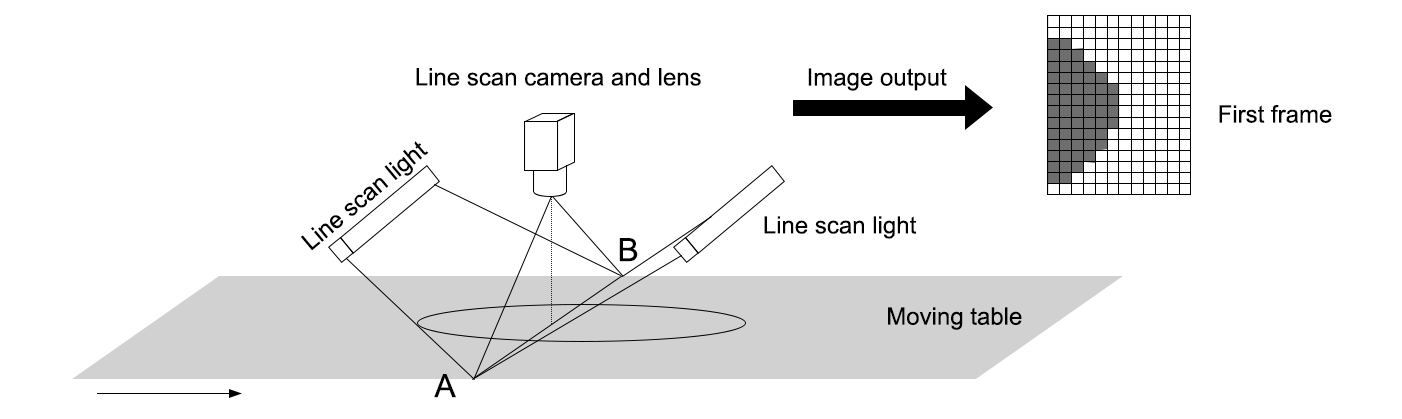
Line scan cameras work differently from regular cameras when it comes to stopping motion blur. They take pictures one row of pixels at a time while objects pass across the sensor. The camera keeps scanning continuously, matching exactly with how fast the conveyor belt moves usually through something called rotary encoders. This means every single scan line captures clear details without overlapping frames that cause blurriness. Compared to area scan cameras that snap whole images all at once, line scan systems stay sharp even when materials zip past at over 5 meters per second. For things like metal foil production lines or textile manufacturing where quality matters most, this makes all the difference. Traditional cameras just can't keep up and end up producing blurry or completely useless images. Recent research published in 2023 showed these specialized systems have less than 0.1% errors caused by motion blur during high speed operations, which is pretty impressive for anyone running automated inspection lines.
Overcoming frame-rate limitations of area scan cameras in web-based production lines
Standard area scan cameras hit a wall when it comes to frame rates, usually topping out around 200 fps. That makes them pretty useless for inspecting materials that are constantly moving through a production line. The problem is these cameras take pictures at intervals, so there are actually little time gaps between each shot where defects can slip right past detection. Line scan cameras solve this issue completely different. They don't take whole pictures all at once but instead build images one line at a time vertically. This means no gaps whatsoever in the image data, no matter how long the material being inspected happens to be. For things like making paper, checking solar panels, or ensuring quality in battery electrodes, this matters a lot. Real world tests show these line scan systems catch tiny flaws down to sub-millimeter size even when production lines are zipping along at 10 meters per second something regular area scan cameras just cant match.
Optimizing Line Scan Camera Parameters for Reliable Defect Detection
Pixel pitch, line rate, and web speed: Applying the Nyquist–Shannon criterion to detect sub-pixel flaws
Getting the parameters right matters a lot when it comes to spotting those tiny flaws we're looking for. The pixel pitch basically sets what's theoretically possible in terms of detail resolution. Take a 10 micrometer pixel pitch for instance it can pick up on features about 10 micrometers in size. But according to the Nyquist-Shannon sampling rule, we need at least two pixels across each defect, ideally three or four, to prevent those annoying aliasing effects and get accurate images. When dealing with materials moving at 5 meters per second, finding a 50 micrometer flaw becomes tricky unless the system can handle over 100 kilohertz line rates. Matching the line rate to web speed keeps things from getting blurry during inspection. If not sampled properly, those small defects either disappear completely or look all messed up. Getting all these numbers aligned correctly makes sure even the tiniest hairline cracks and micro scratches show up clearly despite being smaller than what individual pixels can normally capture.
Precision Flaw Localization Using Encoder-Synchronized Line Scan Imaging
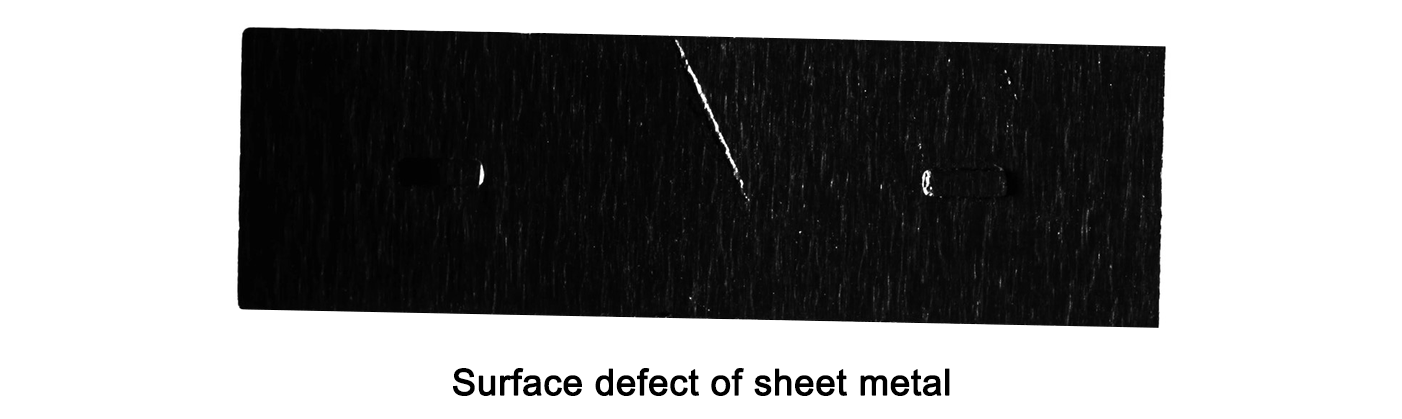
Getting precise defect locations on materials that keep moving, like films, fabrics, or metal sheets, requires syncing material motion with image capture down to the micrometer level. Quadrature encoders make this possible. When these devices are attached to rollers or drive shafts, they produce position signals in real time, which then trigger each scan line exactly when the material moves past it. The whole system works in a closed loop, so there's no drifting out of alignment. As a result, any flaws get recorded at their actual positions on the material surface, even when things are flying by at over 10 meters per second. This kind of accuracy matters a lot in quality control settings where speed and precision must coexist.
Quadrature encoder integration ensures ±0.1 mm positional repeatability on moving webs
Encoder systems today can pinpoint positions at 0.1 micrometer intervals, which means coordinates repeat consistently within about plus or minus 0.1 millimeters when measurements are taken multiple times. This level of detail makes it possible for automated systems to spot and separate faulty parts while wasting very little material. Industries where quality matters most need this kind of precision. Think about things like optical coatings, battery electrode manufacturing, or foil used in medicine packaging. These sectors rely on accurate measurements not just for finding problems but also for tracking production data and controlling processes statistically. What's really important too is how encoders keep everything synchronized even when machines speed up or slow down. This helps maintain proper positioning during all those start-stop movements that happen constantly on factory floors.
Expanding Applications: From Flat Webs to Curved and Rotating Surfaces
Cylindrical surface inspection via rotary encoders and multi-line line scan camera configurations
Line scan tech works great not just on flat surfaces anymore but also on all sorts of curved and spinning shapes like tubes, rollers, bottles, and those long parts in cars. The system uses rotary encoders to match when images get captured with how things are turning around. This gives pretty accurate positioning down to about plus or minus 0.1 mm, even when stuff is spinning as fast as 500 revolutions per minute. When companies set up multiple lines side by side with several sensors running together, they can grab lots of scan lines at once. That means getting full 360 degree coverage of whatever surface needs checking, no missed areas or gaps where problems might hide.
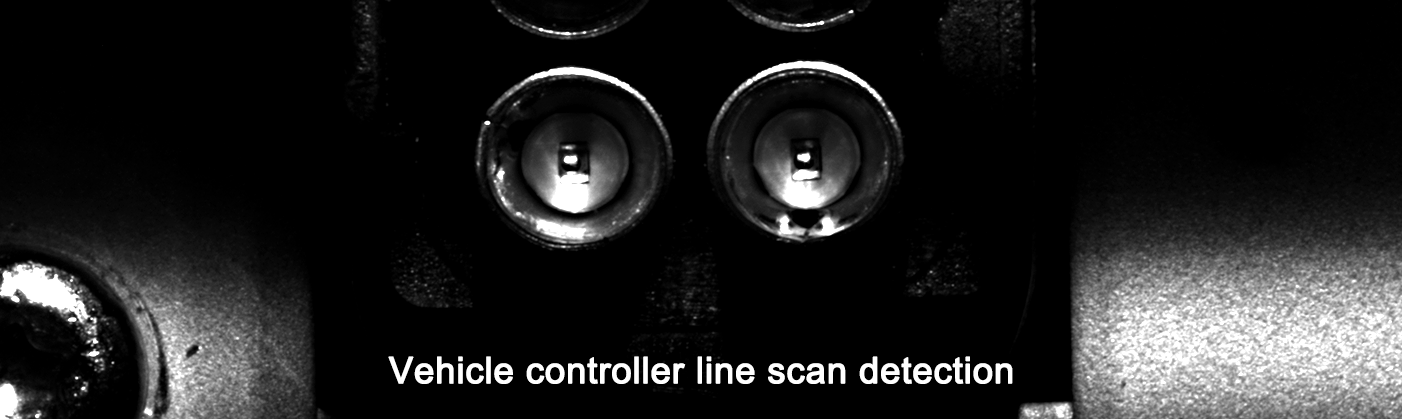
For curved surfaces, specialized optical designs (e.g., telecentric or custom cylindrical lenses) and angular compensation algorithms correct for focal plane deviations, preserving resolution across complex topographies. Industrial validation shows defect detection rates exceeding 99.2% on challenging geometries. Key capabilities include:
- Elimination of surface distortion through real-time angular compensation
- In-situ diameter measurement during rotation
- Detection of micro-scratches (<5 µm) on highly reflective or textured surfaces
- Seamless integration with robotic polishing, coating, or sorting systems
The architecture adapts to demanding environments—from high-vibration foundry lines to ISO Class 5 cleanrooms—supporting growing adoption in aerospace composites, medical device manufacturing, and renewable energy component inspection.
Ready to Elevate Your Surface Defect Detection with Line Scan Cameras?
Line scan cameras are the foundation of reliable, high-speed surface defect detection—no area scan system can match their gapless coverage, motion blur elimination, and micron-level accuracy at full production speed. By optimizing line scan parameters, encoder synchronization, and optical design to match your material and defect detection needs, you’ll cut missed flaws, reduce material waste, and unlock consistent, cost-effective quality control for your manufacturing line.
For industrial-grade line scan camera solutions tailored to your surface inspection application, or to build a fully integrated machine vision system with complementary lighting, lenses, and encoder synchronization tools (as offered by HIFLY), partner with a provider rooted in industrial machine vision expertise. HIFLY’s 15 years of experience spans high-speed 10 GigE 8K line scan cameras, multi-spectral imaging systems, and end-to-end surface inspection solutions—backed by ISO 9001:2015 certification, 30+ invention patents, and support for 2,500+ clients across 30+ countries. Contact us today for a no-obligation consultation to optimize your line scan camera surface defect detection setup.