EN
EN


Tips for Selecting the Right Line Scan Camera
Line Scan Camera Fundamentals: Architecture, Principle, and Key Advantages
How line scan imaging differs from area scan—eliminating motion blur and enabling infinite vertical resolution
Area scan cameras take complete 2D pictures all at once, while Line Scan Cameras work differently. They have just one line of pixels that builds images gradually as items pass across the camera's view. The system syncs with movement using things like rotary or linear encoders, so there's no blurring even when stuff moves really fast, sometimes over 10 meters per second. What matters most here is the vertical resolution can basically go on forever. How tall the image gets depends entirely on how far something travels past the camera, not limited by the size of the sensor itself. For this reason, line scan technology shines in precise tasks like checking semiconductors during manufacturing or tracking those huge metal coils that are 3,000 mm wide. Traditional area scan systems just can't handle these situations without either creating massive stitched together images or losing important details in the process.
Core components explained: linear sensor, line rate engine, encoder interface, and real-time synchronization logic
Four interdependent components enable this precision:
- Linear sensors, typically CMOS or CCD arrays with 1–16k active pixels, define horizontal resolution and spectral response.
- Line rate engines process pixel data at rates from 10–140 kHz, dynamically matching object velocity to sampling frequency.
- Encoder interfaces convert mechanical motion into precise trigger signals—achieving ±0.01% speed synchronization via quadrature decoding.
- Real-time synchronization logic compensates for vibration-induced jitter or transient speed changes, maintaining sub-pixel registration across continuous scans.
Together, these elements support distortion-free imaging of cylindrical surfaces, endless webs, and thermally unstable materials—capabilities fundamentally unavailable to area-based architectures.
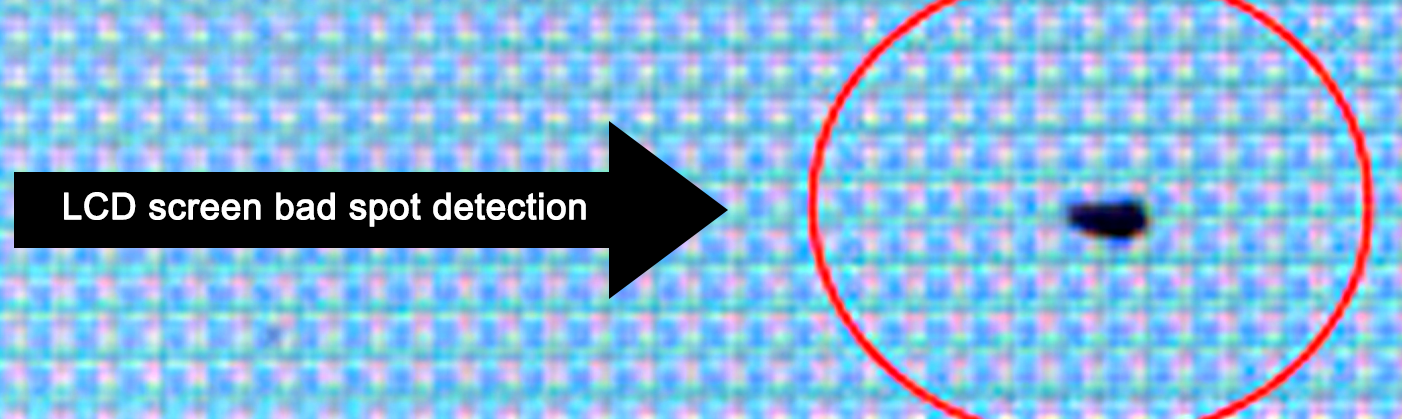
Precision Matching of Line Rate, Motion Speed, and Spatial Resolution
The governing equation: Δx = v / fline—and how to apply it for pixel-to-mm calibration
Getting accurate spatial measurements right in line scan imaging really comes down to how well the object speed (v) matches up with the camera's line rate (fline). At its heart, there's this basic formula: delta x equals v divided by fline, which tells us the actual distance each pixel represents. Let's say we're looking at a conveyor belt going 500 millimeters per second and our camera is set to 10 kilohertz. That math checks out to about 0.05 millimeters per pixel resolution. When calibrating these systems, getting reliable velocity measurements matters a lot. Most folks turn to laser Doppler velocimeters for this part, then tweak the line rate until they hit their desired delta x value. And watch out for those deviations. If things drift more than plus or minus 2%, the errors start showing up in important applications such as checking the width of printed circuit board traces where precision counts.
Encoder-based synchronization: ensuring sub-pixel registration in high-vibration or variable-speed environments
When machines vibrate or their speeds change unexpectedly, this causes timing issues that make images less sharp and measurements harder to repeat consistently. By syncing the encoder with the motion system's position feedback, we can lock down when images are captured. This means even if speeds vary by as much as 15%, we still get those sub-pixel level registrations that matter so much for quality control. The numbers speak for themselves too rotary encoders can measure angles down to 0.001 degrees while linear ones track positions within just 1 micrometer. These capabilities make all the difference in tough industrial environments. Think about steel mills where everything shakes constantly or textile factories where tension changes moment to moment. With proper encoder synchronization, systems catch real defects instead of throwing out good products by mistake. Studies show this approach cuts false rejections by around 40% compared to older methods that just run freely without any trigger points.
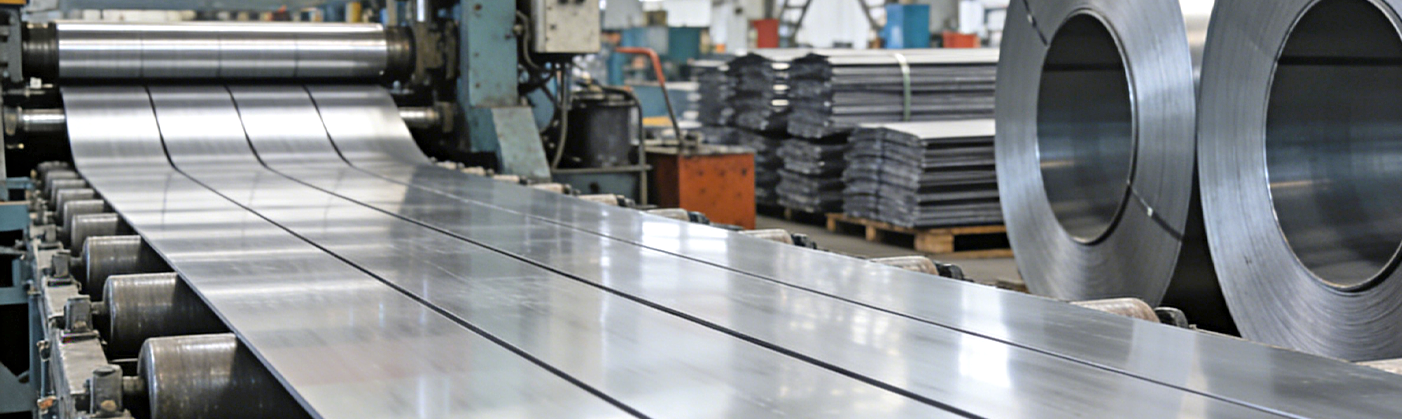
Application-Driven Selection Criteria for Common Industrial Use Cases
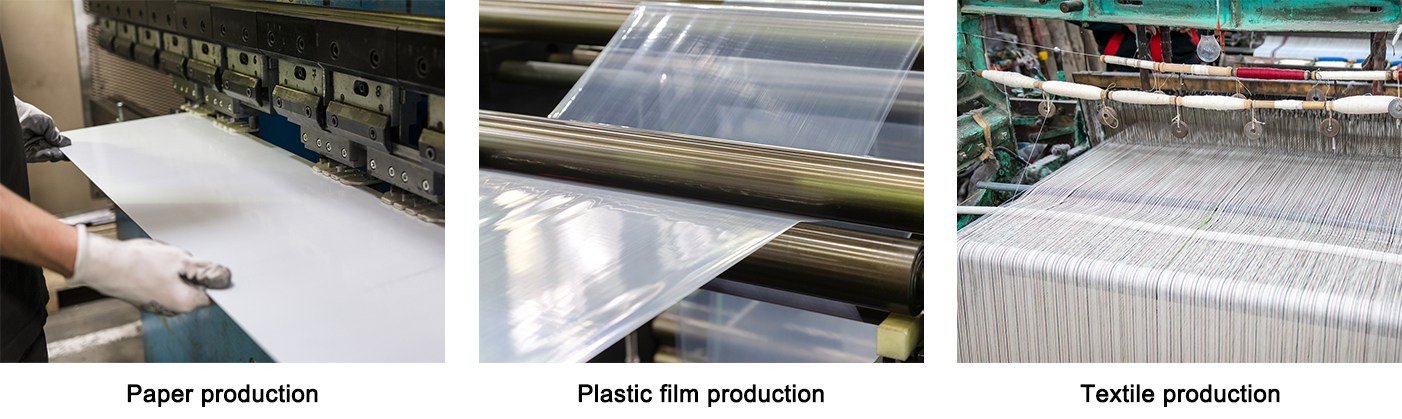
Web inspection: managing tension variation, stitching continuity, and real-time defect localization
When working with continuous web materials like paper, plastic films, metal foils, or fabric webs, choosing the right line scan cameras comes down to three main considerations that matter most on the production floor. The first challenge deals with speed variations caused by tension changes throughout the process. To handle this, systems need adaptive controllers running at least 20 kilohertz along with encoder feedback loops so images stay aligned pixel for pixel across the entire width. Second, getting those images stitched together without gaps between lines requires careful overlap of the pixel arrays. Manufacturers typically aim for synchronization better than one microsecond to maintain continuity in the final inspection results. Third, spotting defects as they happen depends heavily on onboard processing power. Many modern systems now use FPGA chips to accelerate basic image analysis tasks like threshold detection, allowing them to flag issues within just five milliseconds before products get rejected. Recent research from 2023 showed how switching from area scan to line scan technology improved defect detection rates by almost 92% when operating at eight meters per second line speeds, which explains why more converters are making this switch these days.
Cylindrical part scanning: angular resolution mapping, rotary encoder alignment, and FOV distortion pitfalls
When dealing with rotating components such as bottles, bearings, or car shafts, angular resolution plays a key role in picking the right sensor for the job. The basic formula looks something like this: N equals pi multiplied by diameter divided by RPM times 60 times the required spatial resolution. Getting those numbers right matters because misaligned rotary encoders can create problems. Around half the time, these misalignments lead to radial distortion above 15%, which is why many technicians check their setup using quadrature signals first. Another thing to watch out for is optical distortion. Regular lenses tend to warp images at curved edges, creating what's called barrel distortion. That's why some applications switch to telecentric optics instead, which keep measurement errors below 0.1% throughout the entire viewing area. For automotive shaft inspections where glare is an issue, going from 8-bit to 12-bit sensors makes a big difference. Most shops report around a 70% drop in false readings when they upgrade, though results will vary depending on specific conditions.
Line Scan Camera vs. Area Scan Camera: When to Choose Each for Optimal ROI
Five decisive scenarios where a Line Scan Camera delivers unmatched performance and cost efficiency
While area scan cameras remain optimal for discrete, static, or low-speed objects, line scan technology delivers superior performance—and stronger ROI—in five high-volume industrial contexts:
- High-speed web inspection (paper, foil, films), where motion blur undermines area scan accuracy; line scan captures distortion-free 1D slices at 70 kHz, enabling seamless kilometer-scale imaging.
- Metal strip monitoring during hot rolling, where thermal drift and structural vibration demand encoder-synchronized acquisition to sustain sub-pixel registration.
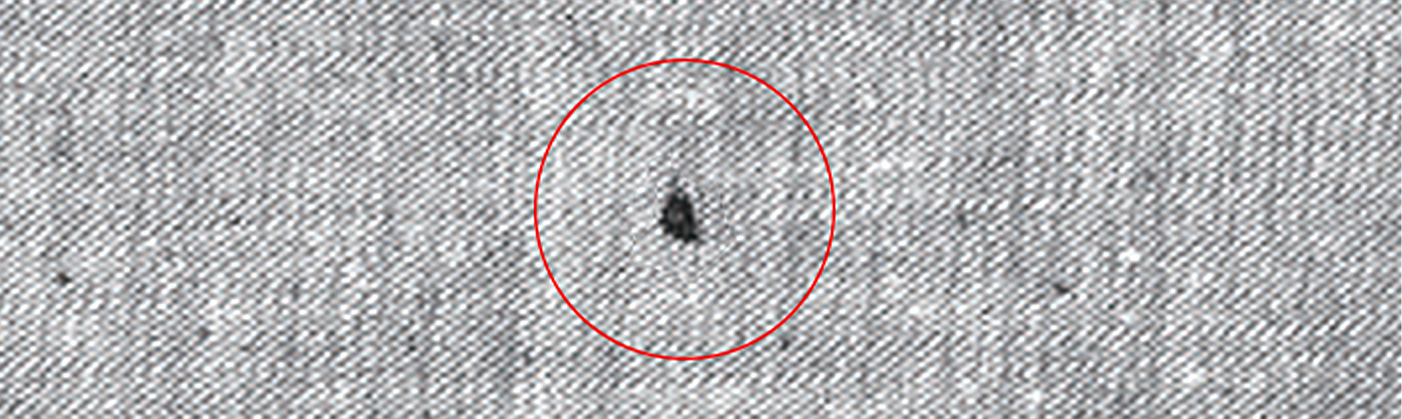
- Textile production, where fabric elasticity and tension variability are managed through real-time pixel calibration—avoiding stitching artifacts inherent in multi-camera area scan setups.
- 360° inspection of rotating cylindrical parts, where angular resolution mapping enables micron-level flaw detection at speeds above 2,000 RPM.
- Large-area scanning (solar panels, aerospace composites), where line scan eliminates the need for costly multi-camera alignment and calibration overhead.
In these applications, line scan systems reduce hardware and integration costs by 30–60%, while cutting false rejects—often caused by motion artifacts in area scan systems—by approximately 15%. Their scalability and single-sensor architecture deliver ROI within 8–12 months in high-throughput manufacturing environments.
Ready to Select the Right Line Scan Camera for Your Industrial Application?
The right line scan camera is the foundation of reliable, high-speed industrial inspection—no algorithm or software can compensate for a camera mismatched to your line speed, resolution needs, or production environment. By aligning line rate, sensor resolution, encoder synchronization, and optical design to your specific application, you'll unlock gapless, micron-accurate inspection, reduced false rejects, and measurable ROI for your manufacturing operation.
For industrial-grade line scan camera solutions tailored to your web inspection, cylindrical scanning, or large-format imaging application, or to build a fully integrated machine vision system with complementary lighting, lenses, and encoder synchronization tools (as offered by HIFLY), partner with a provider rooted in industrial machine vision expertise. HIFLY's 15 years of experience spans high-speed 10 GigE 8K line scan cameras, multi-spectral imaging systems, and end-to-end industrial inspection solutions—backed by ISO 9001:2015 certification, 30+ invention patents, and support for 2,500+ clients across 30+ countries. Contact us today for a no-obligation consultation to select the perfect line scan camera for your operation.