EN
EN


প্রতিফলক পৃষ্ঠের ত্রুটি সনাক্তকরণে মেশিন ভিশনের প্রয়োগ
শিল্পক্ষেত্রে স্বয়ংক্রিয় মান পরীক্ষায়, উচ্চ দক্ষতা, নির্ভুলতা এবং পুনরাবৃত্তিযোগ্যতার কারণে মেশিন ভিশন প্রতিফলক পৃষ্ঠ (যেমন: ধাতু, কাচ, পলিশ করা প্লাস্টিক) এর ত্রুটি সনাক্তকরণের জন্য মূল প্রযুক্তি। এই পণ্যগুলি স্বয়ত্বচালিত, ইলেকট্রনিক এবং সূক্ষ্ম যান্ত্রিক শিল্পে ব্যাপকভাবে ব্যবহৃত হয়, যেখানে পৃষ্ঠের ত্রুটিগুলি সরাসরি গুণগত মান এবং সেবা আয়ুকে প্রভাবিত করে। তবে, প্রতিফলক পৃষ্ঠের দর্পণ-সদৃশ প্রতিফলন সনাক্তকরণের জন্য বড় চ্যালেঞ্জ সৃষ্টি করে; প্রতিফলন দমন করে ত্রুটিগুলি সঠিকভাবে চিহ্নিত করা হল সনাক্তকরণ কর্মক্ষমতা উন্নত করার মূল কৌশল।
১. প্রতিফলক পৃষ্ঠ সনাক্তকরণে সাধারণ ত্রুটিগুলি
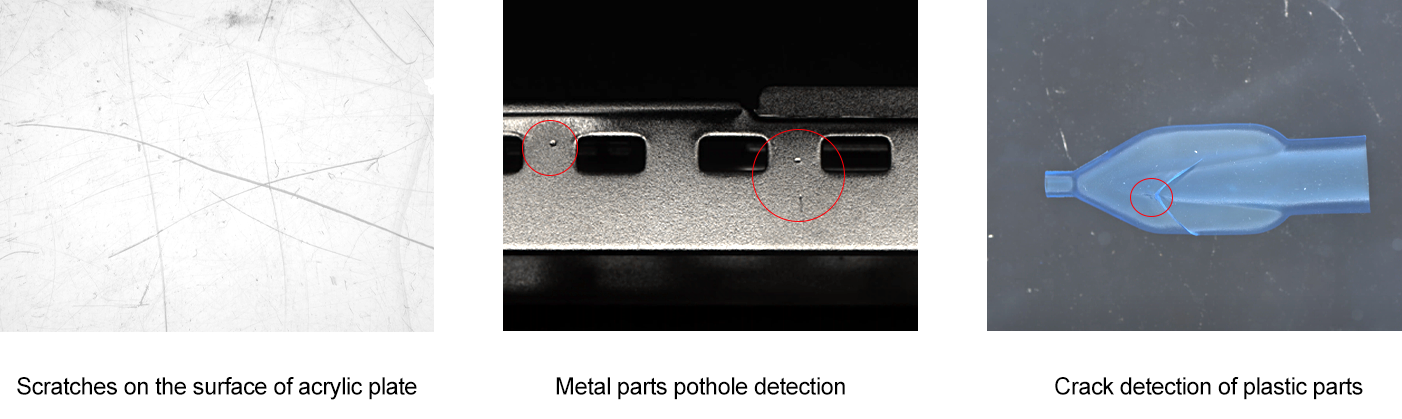
প্রতিফলক পৃষ্ঠগুলি ক্ষতি এবং দূষণের প্রতি সংবেদনশীল, যার মধ্যে সাধারণ ত্রুটিগুলি হল:
আঁচড়: গভীর আঁচড় (যান্ত্রিক ঘর্ষণজনিত, দৃশ্যমান) এবং উথল আঁচড় (কঠিন কণিকা সংস্পর্শজনিত, সূক্ষ্ম কিন্তু টেকসইতার জন্য ক্ষতিকর)।
গর্ত/উভয়তা: উপাদানের ত্রুটি বা আঘাত থেকে উদ্ভূত, যা গঠনগত স্থিতিশীলতা এবং সংযোজন ফিটিং-কে প্রভাবিত করে।
দাগ: তেল, আঙুলের ছাপ বা বিকারক যা ত্রুটি চিহ্নিতকরণে বাধা দেয় এবং ভুল সনাক্তকরণ ঘটায়।
অক্সিডেশন দাগ/রংয়ের পার্থক্য: ধাতুতে সাধারণত দেখা যায়, যা চেহারার সামঞ্জস্যকে প্রভাবিত করে।
২. প্রতিফলনের সনাক্তকরণের উপর প্রভাব
দর্পণ-প্রতিফলন প্রধান বাধা, যা সনাক্তকরণের নির্ভুলতা, দক্ষতা এবং স্থিতিশীলতাকে নেতিবাচকভাবে প্রভাবিত করে:
২.১ নির্ভুলতা হ্রাস
প্রতিফলিত আলো ধরা পড়া ছবিতে ঝলসানো সৃষ্টি করে, যা সূক্ষ্ম ত্রুটিগুলিকে (যেমন: <০.১ মিমি আঁচড়) ঢেকে দেয় এবং ভুল বা বাদ পড়া সনাক্তকরণ ঘটায়।
২.২ ডিবাগিং করার কষ্টকরতা বৃদ্ধি
আলোক উৎসের পরামিতি এবং ক্যামেরা অবস্থানের পুনরাবৃত্তি সমন্বয় করা প্রয়োজন, যা সময় ও শ্রম খরচ বৃদ্ধি করে; পণ্য বা পরিবেশের সামান্য পরিবর্তন সিস্টেমটিকে অস্থিতিশীল করে তোলে।
২.৩ দক্ষতা হ্রাস
বহু-কোণে ছবি ধারণ করা এবং ভুল সনাক্তকরণগুলির হাতে করা পুনরায় পরীক্ষা প্রক্রিয়াকরণ সময় বৃদ্ধি করে, যা উচ্চ-গতির উৎপাদনের প্রয়োজনীয়তা পূরণ করতে ব্যর্থ হয়।
৩. প্রতিফলন হ্রাস করার জন্য আলোক উৎস অপ্টিমাইজেশন
প্রতিফলন দমন করার জন্য উপযুক্ত আলোক উৎস এবং আলোকীকরণ পদ্ধতি নির্বাচন করা অত্যন্ত গুরুত্বপূর্ণ। সাধারণ বিকল্পগুলি হলো:
৩.১ বিস্তৃত (ডিফিউজ) আলোক উৎস
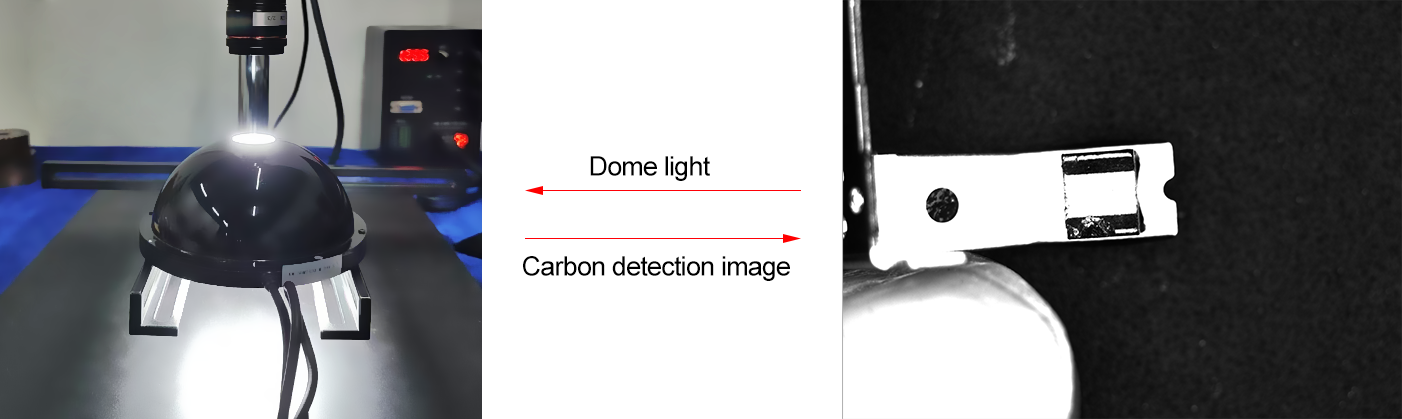
সমান ও নরম আলো প্রতিফলিত আলো (স্পেকুলার রিফ্লেকশন) কমায়। গম্বুজ আকৃতির লাইট (অর্ধ-বৃত্তাকার, বস্তুকে ঘিরে রাখে) ছোট অংশগুলির জন্য আদর্শ, যা ঝলসানো (গ্ল্যার) দূর করে এবং সূক্ষ্ম ত্রুটিগুলিকে স্পষ্টভাবে তুলে ধরে।
৩.২ তির্যক আলোকীকরণ
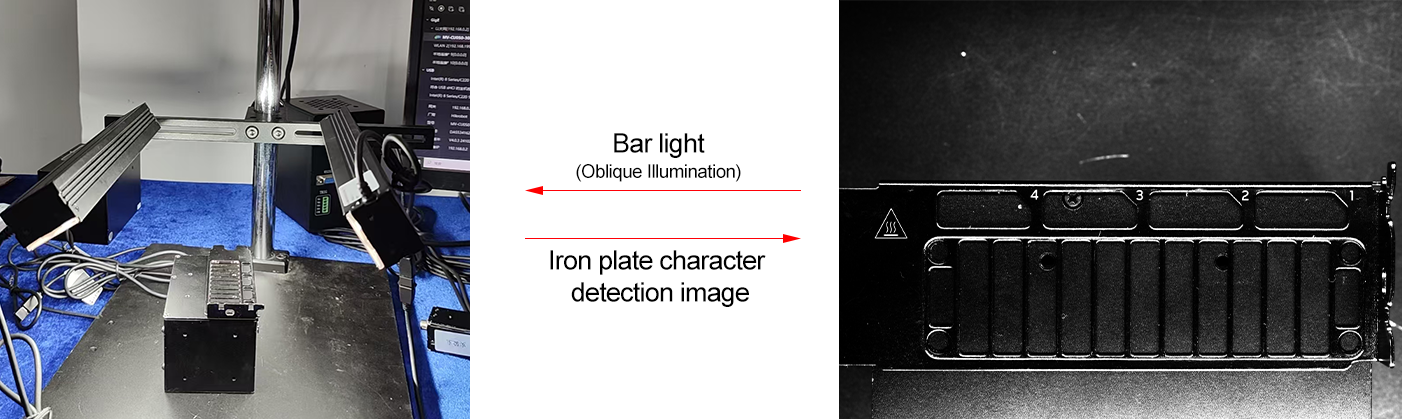
আলোক উৎসগুলিকে নিম্ন কোণে (৩০-৬০°) স্থাপন করলে ক্যামেরায় সরাসরি প্রতিফলিত আলো (স্পেকুলার রিফ্লেকশন) এড়ানো যায়, যার ফলে দাগ ও গর্তগুলি ত্রুটি এবং পৃষ্ঠের মধ্যে তৈরি হওয়া কন্ট্রাস্টের মাধ্যমে আরও স্পষ্টভাবে দৃশ্যমান হয়।
৩.৩ ধ্রুবীভূত আলোক উৎস
ধ্রুবীকারকগুলি প্রতিফলিত আলোকে ফিল্টার করে, শুধুমাত্র ত্রুটিগুলি থেকে বিক্ষিপ্ত আলোকে ধরে রাখে। এগুলি উচ্চ-চকচকে পৃষ্ঠ (যেমন: কাচ, পলিশ করা ধাতু) এর জন্য কার্যকর, যা ঝলসানো প্রভাব উল্লেখযোগ্যভাবে হ্রাস করে।
সারাংশে, পণ্যের বৈশিষ্ট্যের উপর ভিত্তি করে উপযুক্ত আলোক উৎস নির্বাচন করা প্রতিফলন সমস্যা সমাধানের জন্য অত্যন্ত গুরুত্বপূর্ণ, যা শিল্প পরিবেশে প্রতিফলক পৃষ্ঠের সঠিক ও দক্ষ ত্রুটি সনাক্তকরণকে সক্ষম করে। মেশিন ভিশন প্রযুক্তি এবং আলোক উৎস ডিজাইনের ক্রমাগত উন্নতির সাথে সাথে ভবিষ্যতে সমাধানসমূহ আরও বুদ্ধিমান ও অভিযোজ্য হবে, যা প্রতিফলক পৃষ্ঠ সনাক্তকরণের চ্যালেঞ্জগুলি আরও অতিক্রম করবে, উৎপাদন খরচ হ্রাস করবে এবং শিল্প মান পরীক্ষার উন্নয়নকে উচ্চতর নির্ভুলতা ও স্বয়ংক্রিয়করণের দিকে এগিয়ে নেবে।