EN
EN

Полупроводниктар жана электроника саласындагы эң жакшы SWIR камералардын колдонулушу
Полупроводниктик фабрикалар, электроника OEM-компаниялары жана системалык интеграторлор үчүн SWIR камера — бул алдыңкы түйнөктөрдү өндүрүүдөгү эң маанилүү сапат контролүнүн маселелерин чечүүчү өзгөртүүчү таризсиз текшерүү технологиясы.
SWIR камералары менен субъювенилдик пластиналарды текшерүү
Неге кремний SWIR диапазонунда өтөрлүү: Таризсиз тереңдиктеги сүрөттөр алууга мүмкүндүк берет
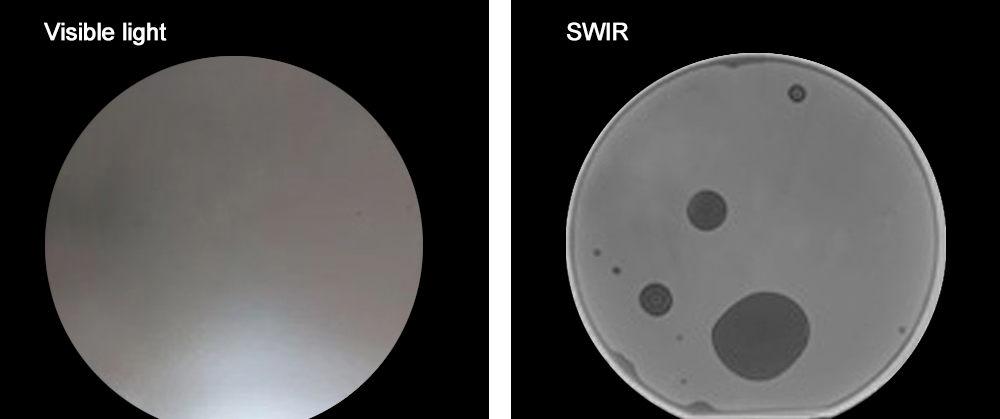
Кремнийдин пластиналары 1000–1700 нм диапазонундагы кыска толкунду инфракызыл (SWIR) спектринде алардын электрондук зоналык аралыгы (~1,12 эВ) себебинен оптикалык түрдө өтөрлүү болот. Бул диапазондогу фотондор электрондорду бул аралыктан өткөрүү үчүн жетиштүү энергияга ээ эмес, ошондуктан терең, жокко чыгарбай турган ички көрүнүштү алууга мүмкүндүк берет — бул көрүнүп турган же жакын инфракызыл нурлардан айырмаланат, анткени кремний бул нурларды күчтүү сиңирет. Бул касиет производстволук командаларга кристаллдык дислокациялар, аралашмалардын топтолушу жана микроскоптук боштуктар сыяктуу ички кемчиликтерди физикалык кесүүгө тапшырбай көрсөтүүгө мүмкүндүк берет. Натыйжада, материалдын чачырануусу жокко чыгаруу ыкмаларына салыштырғанда ~25% га азаят, ал эми пластиналардын бүтүндүгү кийинки өнөртүштүрүү үчүн сакталат.
Жогорку контрасттуу, зыян келтирбей турган кемчиликтерди аныктоо үчүн оптималдуу толкун узундугу (1000–1700 нм)
Толкун узундугун тандау туздан тереңдүккө, чечимдүүлүккө жана контрастка таасир этет. Кыска SWIR толкун узундуктары (1000–1300 нм) жогору кеңишилген чечимдүүлүк берет — бул 10 мкмден аз жерде жайгашкан жузгундагы трещиналарды аныктоого идеалдуу; ал эми узун толкун узундуктары (1400–1700 нм) кремнийдин ичке катмарларына тереңрээк кирет жана ички боштуктарды жана катмарлардын ажырашын аныктайт. 1550 нм диапазону оптималдуу баланс берет: ал микротрещиналар жана боштуктар үчүн көрүнүп турган жарык системаларына караганда 4 эсе жогору контрастты камсыз кылат жана наноструктурада фотон-индукцияланган кернеэ тудурбайт — бул УК-негиздеги текшерүүгө каршы, анда кристалл торчосунун зыянга учуруу кыйынчылыгы бар.
Чындыкта текшерилген натыйжа: 1550 нм сызыктык сканердөө SWIR камерасы 300 мм вафлилеринде ички трещиналарды аныктайт
Алып баруучу өндүрүшчү 300 мм кремний пластинкаларын жогорку өтүштүүлүк менен текшерүү үчүн 1550 нм сызык-сканердөө SWIR камера системасын ишке киргизген. Система саатына 200 пластинка тездикте иштеп, тез термиялык чыдамдуулук учурунда пайда болгон жана 3 мкм чоңдуктагы подповерхностные микротрещиныны таба алган — бул көрсөткүч конвенционалдык жалгыз гана беттик методдорго караганда аныктап табуу деңгээлин 90% га жогорулаткан. Маанилүүсү, бул айыптар оптикалык жана лазердик чачырануу куралдары үчүн көрүнбөгөн болуп, бирок алдыңкы логикалык чиптерде өнөктүрүлгөн талаа кайтарылыштарынын 37% ин түзгөн; бул SWIR технологиясынын оролмо алдында жашыруун айыптарды токтотууда маанилүү ролун көрсөтөт.
SWIR камера түшүрүлүшүн колдонуп микроАйыптарды аныктап табуу
Оксид катмарларындагы субмикрондук ластыкчылык жана үлгүлөрдүн айылышы үчүн жакшыртылган контраст
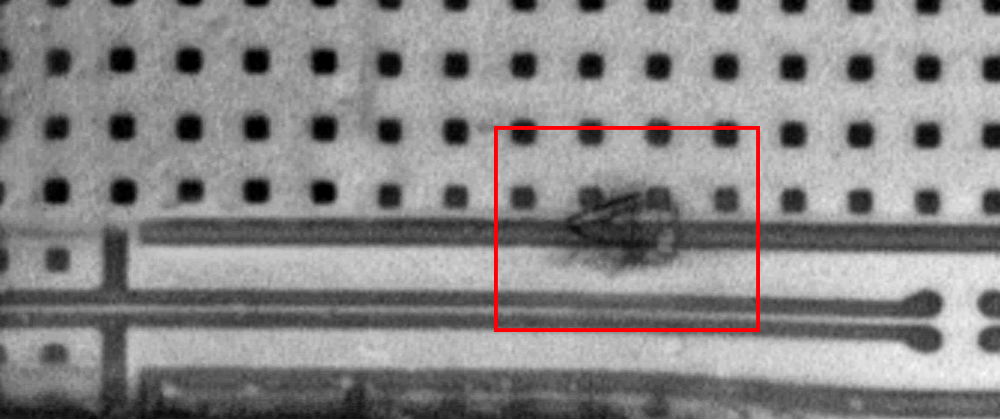
SWIR камералары кремний диоксидинин катмарларындагы субмикрондук ластанууларды жана үлгүлөрдүн айырымдарын иске алган сезгичтик менен аныктайт. Кремний 1000–1700 нм диапазонунда өтө өтөрүүчү болгондуктан, SWIR тасвирлөө кремнийдиң бетине түшкөн чачыранган нурлардын югары контрасттуу айырымдарын — бөлүкчөлүү ластануулар, жупчалуу пленканын калыңдыгынын өзгөрүштөрү жана литографиялык тескерилиштерди — 0,2 мкм чоңдуктагы деталдарды да көрсөтөт. Бул бузулбаган ыкма чекиттеги процесстерде химиялык таасир этүүнүн ордуна кыйынчылыктарды текшерүү үчүн колдонулат жана пластиналардын кулактарын 15–22% га азайтат. Оксиддеги түзсүздүктөр — мисалы, ашыкча таасир этүү же жетишсиз катуу пеште тутуруу — жергиликтүү чачыранган нурлардын белгилерин өзгөртөт, бул иштөөнү токтотпой, чыгышты токтотпой, убакытта түзөтүүгө мүмкүндүк берет.
1310 нм толкун узундугунда чачыранган нурлардын айырымдары аркылуу кернеши жана жутулуштун картасы
1310 нм толкун узундугунда SWIR камералар механикалык кернеэ жана сиңирүү градиенттерин сандык чагылдыруу анализи аркылуу картага түшүрөт. Мис интерконнекттер же диэлектрик чекараларынын айланасындагы сызыкча торлордун кернеэге учураган аймактары фотондорду башкача чачыратат, анда чагылдыруу карталарында чамасы 12–18% болгон өлчөмдүү интенсивдүүлүк төмөндөөлөрү пайда болот. Бул аномалиялар электрлүүк айыптарга чейинки фазада микрокырылыштарды жана чекара аралыгындагы ажырашты белгилейт. Ошондой эле, төмөн-к диэлектриктердеги сиңирүүдөгү өзгөрүштөр 3 мкм зыянын бар экендигин көрсөтөт, бул максаттуу кайра иштетүүгө мүмкүндүк берет. Традициялык термалдык сынама тестирлөөгө салыштырганда, бул ыкма таркатуу менен байланышкан өндүрүштүн жоготулушун 30% чейин азайтат.
Оролмо бүтүндүгүн баалоо үчүн SWIR камера чечимдери
Эпоксид жана калыптоо компаунддарынын өткөрүүчүлүк өзгөрүштөрү оролмо ичиндеги буштуктарды аныктоого мүмкүндүк түзөт
Эпоксиддик смолалар жана калыптоо компаунддары — көрүнгөн нурда опак болгондо, SWIR диапазонунда (900–1700 нм) жарым өткөрүүчүлүккө ээ, ошентип капталган структураларды талашсыз текшерүүгө мүмкүндүк берет. SWIR-түшүрүлүшү калыпталган пакеттердин ичиндеги 10 мкм чамасындағы подповерхностные кууштуктарды жана ажырашуларды дифференциалдык сорбциялык контрастты колдонуп аныктайт. Бул кемчиликтерди убактысында таба албаганда, локалдуу термалдык өткөрүүчүлүк чейрекке чейин төмөндөйт, термалдык циклдөөнүн шарттарында деградацияны тездетет жана термалдык башкаруу чегинен чыгыш (thermal runaway) кыптамасынын кыйынчылыгын көтөрөт. SWIR-түшүрүлүшү талашсыз кесилген кесит алуунун керегин толугу менен жок кылат, образецтин бүтүндүгүн сактап, капталуу сапаты боюнча тутумдуу кайтарылган маалыматты берет.
SWIR аймақтык сканерлөөчү системаларынын чипти төмөнкү жагынан толтуруу (flip-chip underfill) кууштугун картага түшүрүү үчүн өнөрөстө колдонулушу
Алып баруучу жарым өткүргүчтүн зааводу SWIR аймагындагы 1200 нм аянтты таркатуучу камераларды чипти тескери тарапка бурма (flip-chip) иштетүү сызыгына киргизген, бул 5 миллион бирдикте 99,2% боштуктарды аныктоо тактыгын камсыз кылган. Система 60 fps тездикте чын убакытта чагылдыруу карталарын тартып, толтурулган катмарлардагы микробоштуктарды локалдаштырылган сиңирүү аномалиялары аркылуу аныктайт. Автоматташтырылган боштуктарды картага түшүрүү электрлүүк айыктардын санын 34% га азайтты жана рентген-тейлөөгө караганда өндүрүштүн үч эсе жогорулашын камсыз кылды — бул 2023-жылдагы «Жарым өткүргүчтүн иштетүүсү боюнча эталондук долбоор» деген докладда расмий тастыкталган. Эң маанилүүсү, SWIR нурларынын иондоштурууго алып келбейтүү қасиети радиацияга каршы коопсуздук протоколдорун жоюп, жогорку көлөмдөгү өндүрүш ортосунда системаны ишке киргизүүнү жеңилдетет.
SWIR камералары менен байланыш жана өткөрүүчүлүк талдоосу
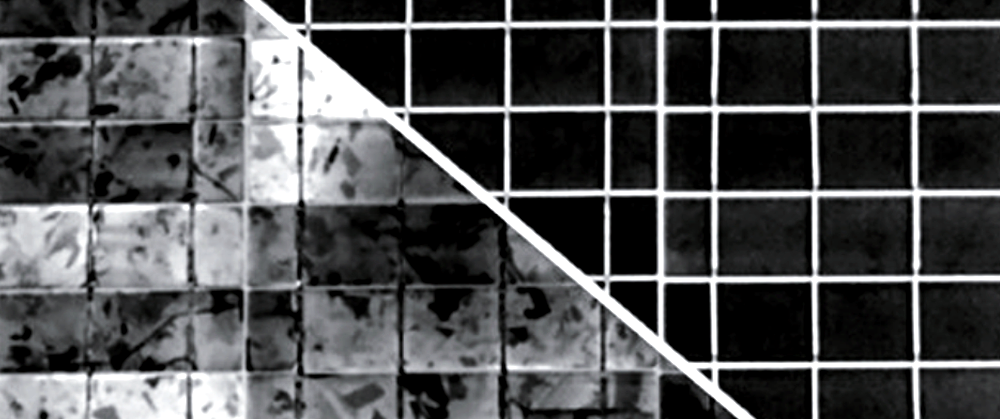
SWIR камералары 1100–1700 нм диапазонундагы кремнийдин өтүшкөнчүлүгүн пайдалануу аркылуу байланыш сымдарын, чыбыктын туташууларын жана мышьяктын өткөрүүчүлөрүн зыян көрбөй талдоого мүмкүндүк берет. Бул тыгыз оролгоодон төмөнкү микрокырыктарды, боштуктарды жана металлургиялык туташуу татыгын туруктуу көрсөтүүгө мүмкүндүк берет — бул үчүн компонентти чачыратуу же кесип талдоо керек эмес. 1450 нм толкун узундугунда мышьяк өзүнчө сиңирүү белгилерин көрсөтөт, ошондуктан жылуулук жана структуралык аномалияларды чыныгы убакытта аныктоого болот. Жок кылуучу ыкмалардан айырмаланып, SWIR технологиясы компоненттин иштешүүсүн сактап, интерфейстин бүтүндүгү жөнүндө дароо өлчөмдүү кайтарылган маалымат берет — бул күчтүү куралдардын жана алдыңкы оролгоо технологияларынын узак мөөнөттүү надеждуулугунун негизги көрсөткүчү. Автоматташтырылган текшерүү сызыктарына интеграцияланган SWIR тасвирлөө чыныгы убакытта кемчиликтерди классификациялоого жардам берет жана акыркы жыйналган электрдик кемчиликтердин санын көп төмөнөт.
Туура SWIR камерасын тандоо: Өндүрүштүн эффективдүүлүгү үчүн линиялык сканерлөө жана аймактык сканерлөө
Алмашуу: Жогорку өтүштүүлүктүү электроникалык текшерүүдө кадрдык жыштык, чечкиндүүлүк жана ИИ интеграциясы
Сызык-сканерлөө жана аймак-сканерлөө SWIR камераларынын ортосунда тандоо техникалык мүмкүнчүлүктөрдү өндүрүш приоритеттери менен келештирүүнү талап кылат. Сызык-сканерлөө системалары сүрөттөрдү сызыктан-сызыкка тартат, бул өтө жогорку кадрдык жыштыкты (20 кГц) камсыз кылат жана ылдам кыймылдаган пластиналарды үзгүлтүз текшерүүгө ыңгайлуу—атап айтканда, конвейердеги линияларда 1 м/секден жогору ылдамдыкта иштегенде, алар аймак-сканерлөө варианттарына караганда 2024-жылдагы жарым өткүрчүлүк автоматизациясынын эталондары боюнча өнүмдүүлүктү 30% жогору көтөрөт. Аймак-сканерлөө камералары, башкача айтканда, толук кадрларды бир убакта тартат жана микродефекттердин деталдуу сипатталышы үчүн (мисалы, 1500 нм чыгарылган жарыкта микротрещиналардын формасы) маанилүү болгон жогорку кабыл алуу чечкилиги (көпчүлүк учурда <10 мкм) берет. ИИ интеграциясы дагы бир өлчөм кошот: сызык-сканерлөө иштөө процессинде реалдык убакытта сызыктарды туташтыруу үчүн атайын алгоритмдер талап кылат, ал эми аймак-сканерлөө токтормолору жетилген CNN архитектураларын колдонот, бирок жогорку эсептөө жүктөмүн талап кылат. Себеби, ылдамдык жана чечкилик нын сенсорлордун жана иштетүү чегинин азырынкы деңгээлинде өз ара чектелген, өндүрүшчүлөр өздөрүнүн негизги колдонуу учурларына — өнүмдүүлүк же тактык — негизделген бирин тандоого тийиш, экинчи бирин эмес.
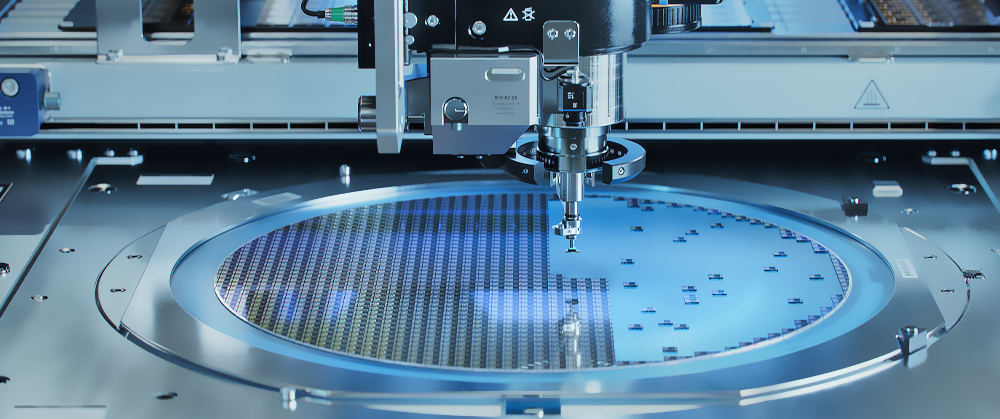
Жогорку өнүмдүүлүктүү SWIR камерасы менен жарым өткүргүчтөрдү текшерүүнү өзгөртүүгө даярбыңыз?
SWIR камера — жарым өткүргүчтөр жана электроникалык өндүрүштүн алдыңкы деңгээлинде иштеген тирешпес таасири бар технология, ал көрүнүп турган нур же рентген системалары менен кайталанбаган, тереңдиктеги кемчиликтерди табууга мүмкүндүк берет. Сиздин текшерүү иш агымыңызга максатка ылайык түзүлгөн SWIR камераны киргизүү аркылуу сиз өнүмдүн чыгарылышын төмөндөтөсүңүз, кыйынча турган талаа кайтарылыштарын болтурбайсыз, өнүрүштүн сапат стандарттарына ылайыктуулукту камсыз кылгыла, ошондой эле алдыңкы түйнөктүү куралдардын жалпы өнүмдүлүгүн жакшыртысыз.
Өнөрөсүлүк деңгээлдеги SWIR камерасы үчүн чЫГЫМДАР семикондуктордун пластиналарын текшерүү, оролордун бүтүндүгүн текшерүү же интерконнекттик анализдөө иштерине ылайыкташтырылган же толук интеграцияланган суроот тутумун түзүү үчүн (HIFLY тарабынан сунушталган) кошумча объективдер, жарык берүү жана ИИ-аналитикалык куралдар менен бирге иштеген, семикондуктордун машиналык көрүүсү боюнча тажрыйбага ээ болгон камсыздаш менен иштениз. HIFLY-дин 15 жылдык тажрыйбасы SWIR камераларын долбоорлоо, толук OEM/ODM өзгөртүлгөн өндүрүш жана семикондуктордун текшерүү тутумунун башынан аягына чейинки интеграциясын камтыйт — ISO 9001:2015 сертификаты, таза бөлмөгө ылайыктуу долбоорлор жана жогорку көлөмдөгү өндүрүш сызыктары үчүн арнайы инженердик колдоо менен камсыздалат. Бүгүнкү күнгө семикондуктордун өндүрүш иштеңизине оптималдуу SWIR камера чечимин долбоорлоо, өзгөртүлгөн үлгүлөрдү сынап көрүү же тийиштүү консультация алуу үчүн бизге хабарлаңыз.