EN
EN


kamera 3D kontra kamera 2D: co jest lepsze do inspekcji?
Dla przemysłowych producentów OEM, producentów kontraktowych i integratorów systemów wybór właściwej technologii obrazowania jest decyzją o dużym ryzyku, która ma bezpośredni wpływ na dokładność kontroli, wydajność produkcji, zgodność z przepisami i całkowity koszt posiadania (TCO).
Główne różnice techniczne: percepcja głębokości, dokładność oraz wierność pomiarów
Dlaczego rzeczywiste dane z kamery 3D umożliwiają zgodność z GD&T oraz metrologię objętościową
Akamera 3D rejestruje przestrzenną głębokość za pomocą światła strukturalnego lub triangulacji laserowej — generując gęste, skalibrowane chmury punktów do analizy objętościowej. Pozwala to na bezpośrednie, śledzone pomiary parametrów GD&T, takich jak płaskość, równoległość, położenie oraz profil powierzchni — bez konieczności wykonywania wniosków geometrycznych ani przyjmowania założeń. W przeciwieństwie do systemów 2D, które szacują głębokość na podstawie cieni, ostrości obrazu lub rozbieżności stereo (co wprowadza błędy zależne od modelu), prawdziwe dane 3D zapewniają wiarygodność osi Z z dokładnością do ±0,05 mm — spełniając wymagania dotyczące tolerancji wysokości w przemyśle lotniczym oraz zgodność ze standardem ISO 1101. Zgodnie z raportem Instytutu Ponemon z 2023 r. dotyczącym metrologii przemysłowej, 60% błędów pomiarów wymiarowych wynika z niewystarczającej wymiarowości danych; metrologiczne systemy 3D eliminują ten problem poprzez weryfikację pełnej topologii powierzchni, co zmniejsza konieczność poprawek dzięki kompleksowej lokalizacji wad.
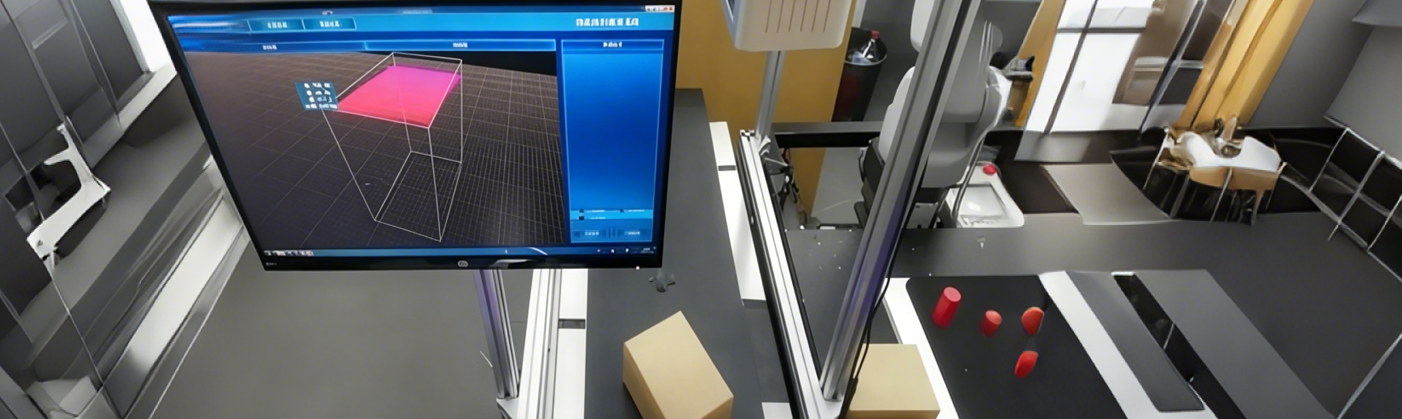
ograniczenia kamer 2D: zakrycie obiektów, zależność od oświetlenia oraz niejednoznaczność krawędzi
Konwencjonalne obrazowanie 2D nie zapewnia natywnej rozdzielczości głębokości — co czyni je zasadniczo nieodpowiednim do zadań wymagających pewności objętościowej:
- Problemy z zakryciem : Ukryte cechy (np. spoiny na dolnej stronie, elementy umieszczone wewnątrz innych komponentów) pozostają nieobserwowalne bez ręcznego przemieszczenia obiektu — co wpływa negatywnie na kompletność inspekcji.
- Wrażliwość na oświetlenie : Ponad 70% zmienności pomiarów wynika z niespójności oświetlenia, co wymaga częstej ponownej kalibracji oraz użycia kontrolowanych obudów.
- Niepewność krawędzi : Wykrywanie krawędzi oparte na pikselach nie potrafi odróżnić ostrego przejścia wysokości od gradientu kontrastu — co prowadzi do fałszywych wykryć wad przy szacowaniu objętości pasty lutowniczej lub ocenie odkształceń.
W zastosowaniach o wysokim ryzyku, takich jak inspekcja pasty lutowniczej w technologii SMT lub wykrywanie odkształceń formowanych części plastycznych, brak danych w osi Z powoduje fałszywe akceptacje. Gdy oświetlenie tylne zawodzi lub zmienia się odbijalność powierzchni, błędy w metodzie 2D mogą przekraczać 15% — ryzyko to eliminuje niezawodne mapowanie głębokości w 3D.
Rzeczywistości operacyjne: prędkość, całkowity koszt posiadania oraz wysiłek związany z integracją
Kompromisy związane z czasem cyklu: przepustowość 2D w porównaniu z opóźnieniem pozyskiwania i przetwarzania obrazów przez kamerę 3D
Przemysłowe kamery 2D osiągają wysoką przepustowość — często 100 części na minutę — poprzez przechwytywanie pojedynczych klatek z minimalnym opóźnieniem. Natomiast systemy 3D wymagają zsynchronizowanej projekcji, przechwytywania wielowidokowego oraz rekonstrukcji chmury punktów, co powoduje dodatkowe obciążenie cyklu czasowego w zakresie 40–60% w porównaniu do odpowiednich układów 2D. Ten kompromis ma charakter strategiczny: inspekcje o dużej objętości i płaskie (np. weryfikacja etykiet) preferują szybkość i prostotę rozwiązań 2D; natomiast procesy wymagające precyzji — takie jak walidacja profilu łopatek turbiny lub pomiar odstępu między komórkami akumulatora — wymagają integralności przestrzennej zapewnianej przez technologię 3D, nawet przy niższej przepustowości.
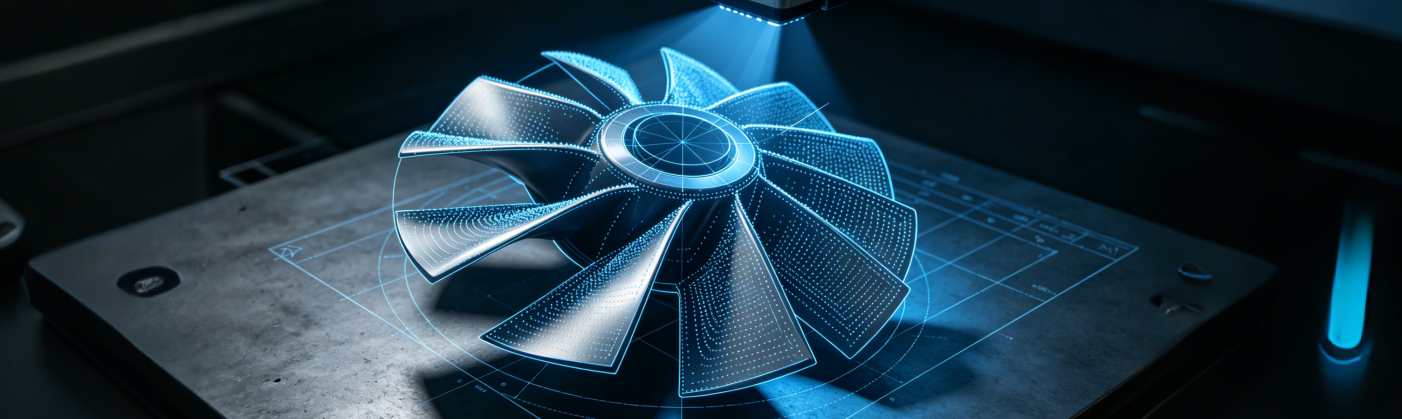
Rozkład całkowitego kosztu posiadania: inwestycja sprzętowa, konserwacja kalibracji oraz licencjonowanie oprogramowania do kamer 3D
Całkowity koszt posiadania (TCO) systemów wizyjnych wykracza daleko poza cenę katalogową. Choć przemysłowe kamery 2D kosztują od 15 tys. do 30 tys. USD, systemy metrologiczne 3D o poziomie wejściowym zaczynają się od 45 tys. do 90 tys. USD ze względu na specjalistyczne optykę, projektorы i wbudowane przetwarzanie. Koszty powtarzalne różnią się znacznie:
- Konserwacja kalibracji : dryf wyrównania laserowego wymaga ponownej kalibracji co pół roku (2–5 tys. USD za usługę)
- Licencjonowanie oprogramowania : zaawansowane analityka chmury punktów, silniki oceny tolerancji geometrycznych (GD&T) oraz klasyfikacja defektów wspierana sztuczną inteligencją dodają 8–20 tys. USD rocznie
- Prace integracyjne : synchronizacja wielosensorowa, rejestracja układu współrzędnych oraz kompensacja ruchu wymagają ok. 30% więcej godzin inżynierskich niż wdrożenia systemów 2D
Koszty pośrednie — w tym modernizacja infrastruktury IT, podnoszenie kwalifikacji operatorów oraz przygotowanie dokumentacji walidacyjnej — powodują wzrost 5-letniego TCO o 30–40%. Mimo to zwrot z inwestycji (ROI) jest udowodniony: systemy 3D osiągają 99,7% wykrywalności defektów w przypadku złożonych geometrii, przewyższając praktyczny pułap systemów 2D wynoszący 85–90%, szczególnie w scenariuszach o niskim kontraście lub częściowym zakryciu.
Wybór napędzany zastosowaniem: dopasowanie typu kamery do wymagań inspekcyjnych
Gdy kamery 2D osiągają najlepsze wyniki: wykrywanie wad powierzchniowych w wysokiej prędkości i klasyfikacja oparta na teksturze
kamery 2D dominują w szybkich, płaskich inspekcjach, gdzie nie jest wymagana niezależność od głębokości. Ich przetwarzanie obrazów monocentrycznych lub wielospektralnych zapewnia wyjątkową prędkość (500 klatek na sekundę) oraz rozdzielczość na poziomie mikronów, umożliwiając wykrywanie zadrapań, przebarwień, wad druku lub anomalii struktury materiału na poruszających się taśmach transportowych. W środowiskach o stabilnym oświetleniu — takich jak linie montażowe płytek PCB w czystych pomieszczeniach — zapewniają stałą dokładność przy sprawdzaniu obecności lub braku lutowania oraz weryfikacji szczelności opakowań. Zgodnie z Association for Advancing Automation (A3), integracja systemów 2D wymaga o 40 % mniejszego nakładu pracy inżynierskiej niż systemy 3D, a także wiąże się z minimalnymi kosztami kalibracji oraz udowodnioną interoperacyjnością z istniejącymi sterownikami PLC i platformami MES.
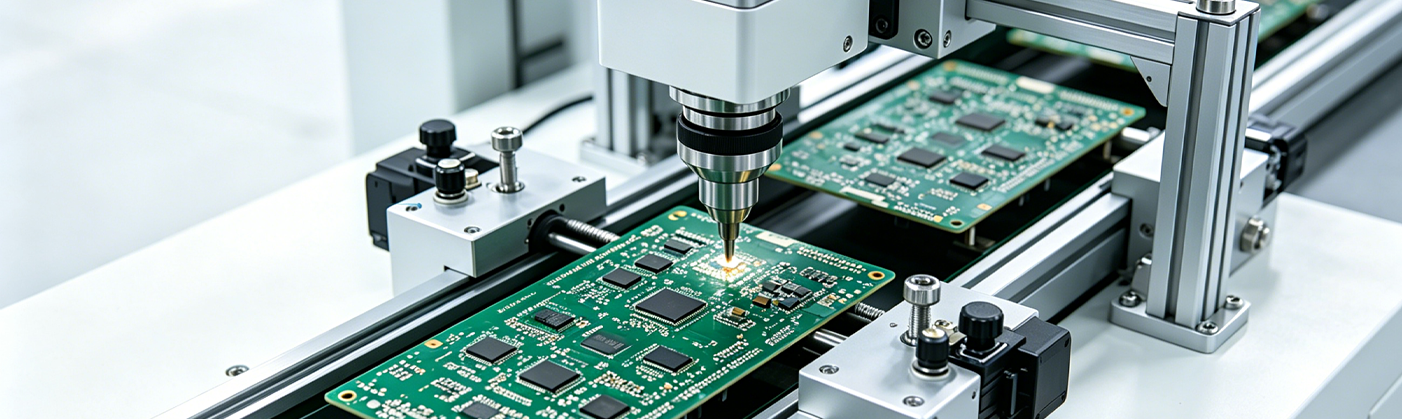
Gdzie kamera 3D jest niezbędna: mapowanie wysokości, analiza odkształceń oraz weryfikacja montażu
Kamera 3D staje się nieodzowna, gdy geometria określa funkcję. Systemy światła strukturalnego i triangulacji laserowej generują skalowane dane Z do ilościowej analizy odkształceń na zakrzywionych obudowach wytwarzanych metodą wtrysku, panelach wykończeniowych pojazdów samochodowych lub płytkach półprzewodnikowych – rozwiązuje to problemy z zakryciem i eliminuje domysły. Wykrywają one różnice wysokości nawet do 5 μm – co jest kluczowe przy weryfikacji współpłaszczyznowości kulek (bump) w układach scalonych lub jednolitości szczelin między panelami samochodowymi – oraz wspierają bezpośrednio ocenę wymiarów i tolerancji geometrycznych (GD&T) zgodnie ze standardem ASME Y14.5. W zautomatyzowanym układaniu modułów baterii pomiar 3D zapewnia dokładność głębokości wkładania i współpłaszczyznowości komponentów na poziomie milimetra – zapobiegając ryzyku ucieczki cieplnej spowodowanej nieprawidłowym ułożeniem ogniw. Percepcja głębokości umożliwia również rozstrzygnięcie niejednoznaczności na powierzchniach o niskim kontraście, lustrzanych lub pozbawionych tekstury, gdzie systemy 2D zawodzą – czyniąc je niezastąpionymi w kontroli funkcjonalnej, a nie tylko wizualnej.
Gotowi zoptymalizować swoją przemysłową kontrolę jakości dzięki odpowiedniemu rozwiązaniu obrazowania?
Wybór między kamerą 3D a kamerą 2D zależy od unikalnych wymagań aplikacji pod względem dokładności, wydajności i geometrii — żadne pojedyncze rozwiązanie nie zapewnia optymalnych rezultatów we wszystkich przemysłowych procesach inspekcji. Choć systemy 2D wyróżniają się przy wysokoszybkim badaniu powierzchni płaskich, kamera 3D umożliwia metrologię objętościową, zgodność z normami GD&T oraz niezawodne wykrywanie wad na złożonych, niestandardowych elementach, których nie można wiarygodnie inspekcjonować za pomocą technologii 2D.
Dla przemysłowych kamer 2D lub 3D rOZWIĄZANIA dostosowany do Twojego zastosowania inspekcyjnego lub do budowy w pełni zintegrowanego systemu przemysłowego widzenia maszynowego z uzupełniającymi obiektywami, oświetleniem oraz narzędziami przetwarzania opartymi na sztucznej inteligencji (jakie oferuje HIFLY) – skontaktuj się z dostawcą posiadającym bogate doświadczenie w zakresie przemysłowego widzenia maszynowego. 15-letnie doświadczenie HIFLY obejmuje projektowanie kamer 3D, niestandardową produkcję OEM oraz kompleksową integrację systemów widzenia – wsparte certyfikatem ISO 9001:2015, globalną pomocą techniczną oraz elastycznymi modelami współpracy OEM/ODM. Skontaktuj się z nami już dziś, aby uzyskać bezpłatną konsultację aplikacyjną, przetestować niestandardowe próbki lub zaprojektować rozwiązanie obrazowe zoptymalizowane pod kątem Twojego przemysłowego procesu inspekcyjnego.
Najczęściej zadawane pytania
Jaka jest główna zaleta wykorzystania danych z kamery 3D w metrologii przemysłowej?
dane z kamery 3D zapewniają rzeczywistą percepcję głębokości i wierną reprezentację przestrzenną, umożliwiając dokładne sprawdzanie zgodności z wymaganiami GD&T oraz metrologię objętościową bez konieczności opierania się na założeniach ani wnioskowaniu geometrycznym.
Dlaczego kamery 2D są ograniczone w zadaniach wymagających analizy głębokości?
kamery 2D nie posiadają wbudowanej rozdzielczości głębokości i są podatne na błędy wynikające z zakłóceń (occlusions), zmian oświetlenia oraz niejednoznaczności wykrywania krawędzi, co czyni je nieodpowiednimi do analizy objętościowej.
Jakie są kluczowe czynniki kosztowe systemów kamer 3D?
systemy 3D wymagają wyższych początkowych inwestycji, w tym kosztów sprzętu, kalibracji co dwa lata, licencji oprogramowania oraz większego nakładu pracy przy integracji; jednak zapewniają one wyższą zwrot z inwestycji (ROI) pod względem dokładności i wykrywania wad.
W jakich sytuacjach kamery 2D osiągają lepsze wyniki niż kamery 3D?
kamery 2D świetnie sprawdzają się w szybkich, płaskich inspekcjach z minimalnymi wymaganiami dotyczącymi głębokości, np. wykrywaniu wad powierzchniowych lub klasyfikacji opartej na teksturze w warunkach kontrolowanego oświetlenia.
Kiedy kamera 3D jest niezbędna?
Kamera 3D jest niezbędna, gdy wierność odwzorowania głębokości ma kluczowe znaczenie, np. w analizie odkształceń (warpage), mapowaniu wysokości z kalibracją oraz zadaniach weryfikacji montażu, w których geometria wpływa na funkcjonalność.