EN
EN


Best Line Scan Camera Applications in Web & Textile Inspection
Why Line Scan Cameras Excel in High-Speed Textile Web Inspection
Limitations of Area Scan Cameras in Continuous Motion Inspection
Area scan cameras just don't cut it for inspecting textiles moving at high speed. These devices work by snapping pictures at regular intervals, which creates gaps in coverage and blurry images whenever fabric passes through faster than the camera can keep up. When production lines hit speeds over 3 meters per second (which is pretty standard nowadays in textile manufacturing), the resulting motion distortion makes it hard to see important details such as how many threads there are per inch, whether the weaving holds together properly, or if there are tiny tears that need fixing. Research shows these kinds of systems might actually overlook around 15% of the total surface being checked. To get complete coverage of the entire fabric width, manufacturers often have to install several area scan cameras working together. But getting all those units synchronized isn't easy, and problems tend to pop up where the images from different cameras meet, leading to inaccuracies and unreliable results overall.
How Line Scan Camera Architecture Enables Pixel-Perfect Synchronization with Web Speed
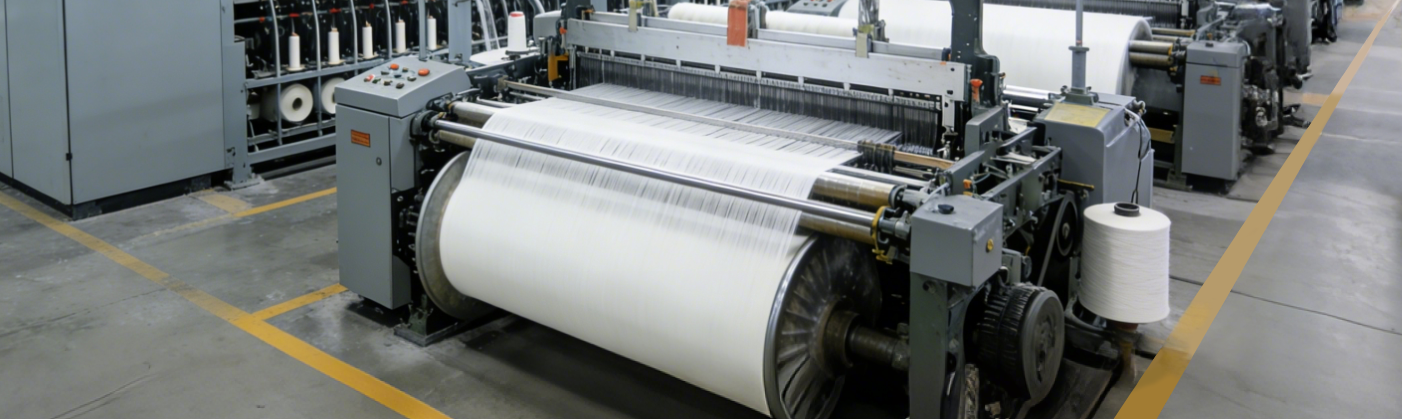
Line scan cameras get around these limitations by taking pictures continuously while things are moving. Rather than snapping full frames like regular cameras do, these devices have long sensor arrays that capture one row of pixels at a time, sometimes going as fast as over 140 thousand times per second. The system uses rotary encoders to keep track of how fast material is moving across the production line. These sensors constantly adjust when scans happen so each pixel lines up perfectly with its position on the material, even if speeds change slightly during operation. What makes this setup really valuable for manufacturers?
- Gapless coverage: Seamless stitching of scan lines ensures uninterrupted inspection of endless webs
- Scalable resolution: Vertical resolution grows with runtime, preserving micron-level detail across any length
- Enhanced light capture: Time Delay Integration (TDI) multiplies signal-to-noise ratio without sacrificing speed
The result is sub-0.1 mm defect detection fidelity at speeds up to 10 m/s—critical for preventing costly quality failures. As Ponemon Institute's 2023 textile recall analysis shows, undetected flaws can cost manufacturers over $740,000 annually per production line.
Optimizing Line Scan Camera Performance with Precision Lighting
Managing Specular Reflection and Texture Variability in Woven and Knitted Fabrics
Fabric inspection poses two main optical problems for machine vision systems. Woven materials tend to scatter light all over the place, making it hard to get clear readings. Knitted textiles create directional reflections that actually hide defects from view. This becomes particularly problematic with synthetic fabrics where bright spots can cover as much as 40% of flaws according to a recent industry report (Machine Vision Report, 2023). To tackle these issues, modern inspection systems now use precision lighting equipped with adjustable diffusers that spread light more evenly across fabric surfaces. These advanced lighting solutions help maintain consistent illumination levels even when dealing with different material types or varying textures. As a result, inspectors can spot small problems such as uneven dye distribution, broken threads, and inconsistent tension patterns. The technology works surprisingly well on shiny satin weaves too, without compromising image resolution quality.
LED Bar, Coaxial, and Structured Lighting Strategies for Defect Contrast Enhancement
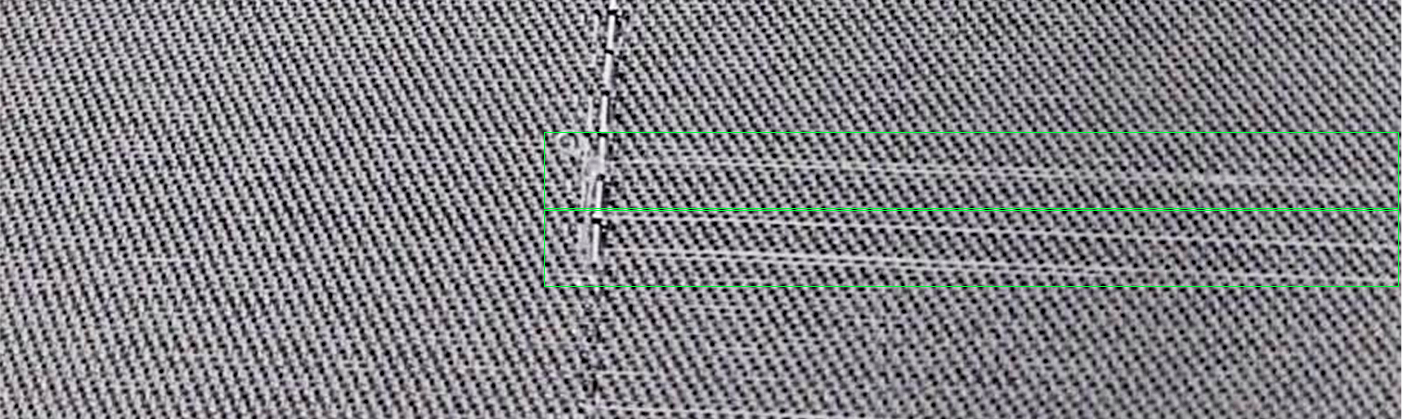
Three targeted lighting modalities maximize defect visibility across diverse textile structures:
- LED bar arrays, angled at 15–25°, suppress glare on reflective surfaces while accentuating weave irregularities and yarn misalignment
- Coaxial illumination provides shadow-free, front-lit imaging essential for dimensional analysis of pilling, snags, and surface deformation
- Structured light patterns, projected across the web, reveal sub-millimeter topographic variations—including dropped stitches and tension gradients—via real-time distortion mapping
When it comes to inspecting knitted fabrics, dark field setups really shine. The trick is those low angle lights that catch all sorts of structural issues completely hidden when using regular lighting methods. Combine this approach with synchronized strobes and adjustable brightness controls, and manufacturers get something pretty remarkable. These inspection systems maintain around 2% consistency in light distribution even over wide 4 meter fabric webs. What does this mean practically? It means the system doesn't flag normal fiber variations as defects but still picks up on actual problems like lingering oil spots or stubborn silicone residues that might otherwise slip through quality checks unnoticed.
End-to-End Line Scan Camera Systems for 100% Automated Textile Quality Assurance
From Sampling to Full-Width Real-Time Inspection: Industry Workflow Transformation
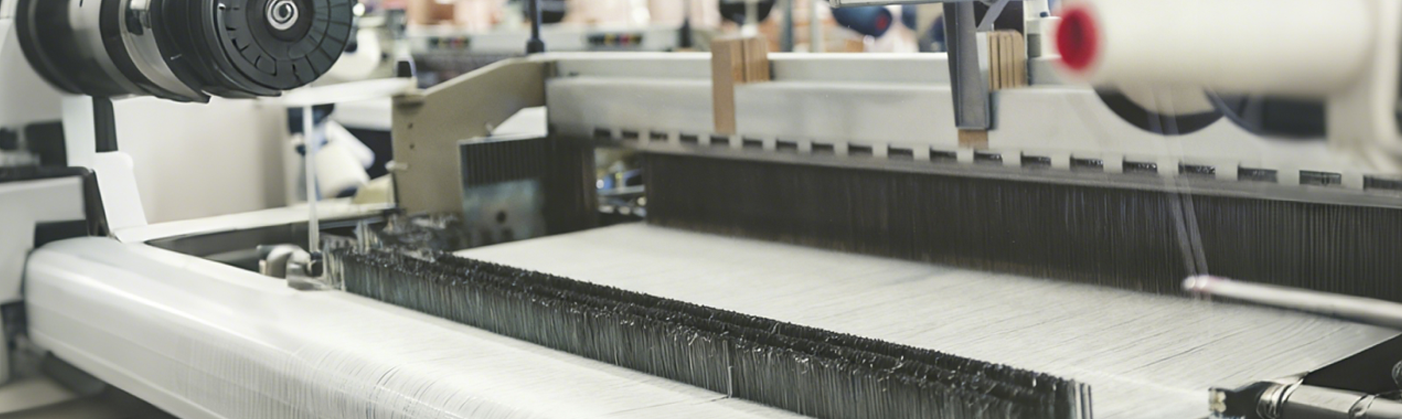
In the past, textile quality control meant manually checking only about 5 to 10 percent of what came off the production line. This left plenty of room for mistakes to slip through unnoticed and created all sorts of inconsistencies in what counted as acceptable versus rejected fabric. The new line scan technology changes everything though. These systems can inspect every single inch of fabric as it moves along the production line at whatever speed it happens to be going. They take constant high detail pictures of the whole fabric surface, so there are no blind spots anymore. A recent study from Textile Manufacturing Journal found that switching to these systems cuts down on wasted materials by around 30%. Plus, when something goes wrong, the machine automatically flags and removes the bad section right away. Instead of waiting for problems to show up later, manufacturers get instant feedback and can fix issues before they become bigger headaches.
AI-Driven Defect Classification Integrated with Multi-Spectral Line Scan Cameras
Multi spectral line scan cameras can detect things regular RGB systems miss completely. They pick up on subsurface tension problems, leftover oil spots, and uneven dye distribution that would otherwise go unnoticed. Pair these cameras with smart AI classification software and the system gets really good at finding defects. Some tests show around 98-99% accuracy when it comes to spotting real issues. The machine learning models have been trained on years worth of production data so they know what counts as a serious problem versus just normal variation. For instance, the system can tell the difference between actual holes in fabric and something harmless like a bit of lint or slight color differences. This kind of accuracy means fewer good products get rejected by mistake and factory workers don't need to check everything manually all day long. Plus, the system automatically tracks trends over time which helps managers make better decisions about process improvements. What's great is how flexible this works for different fabrics too. Whether dealing with soft knits or tough industrial materials, the system maintains consistent quality standards without needing constant adjustments.
Ready to Elevate Your Web & Textile Inspection with Line Scan Cameras?
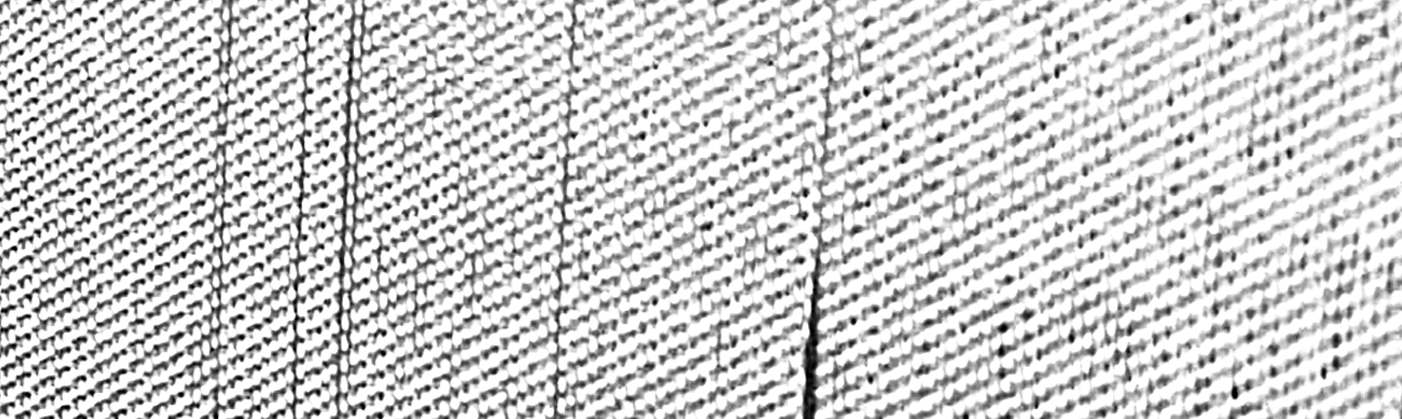
Line scan cameras are the foundation of reliable, high-speed continuous web and textile inspection—no area scan system can match their gapless coverage, micron-level accuracy, and performance at full production speed. By pairing a high-performance line scan camera with optimized precision lighting and AI-driven classification, you’ll cut material waste, reduce costly product recalls, and unlock 100% quality assurance for your textile and web manufacturing lines.
For industrial-grade line scan camera solutions tailored to your textile and web inspection application, or to build a fully integrated machine vision system with complementary lighting, lenses, and AI classification tools (as offered by HIFLY), partner with a provider rooted in industrial machine vision expertise. HIFLY’s 15 years of experience spans high-speed 10 GigE 8K line scan cameras, multi-spectral imaging systems, and end-to-end web inspection solutions—backed by ISO 9001:2015 certification, 30+ invention patents, and support for 2,500+ clients across 30+ countries. Contact us today for a no-obligation consultation to optimize your line scan camera inspection setup.