EN
EN


Core Functions of Industrial Camera Frame Grabber (6 Key Points)
The frame grabber serves as the signal hub and high-speed data channel in machine vision systems. It connects industrial cameras to the host computer, enabling signal conversion, high-speed transmission, precise timing, multi-camera synchronization, anti-interference, and hardware preprocessing.
1. Signal Conversion and Protocol Adaptation (Core)
Analog cameras: Performs ADC (Analog-to-Digital Conversion) to convert analog video signals into digital pixel streams.
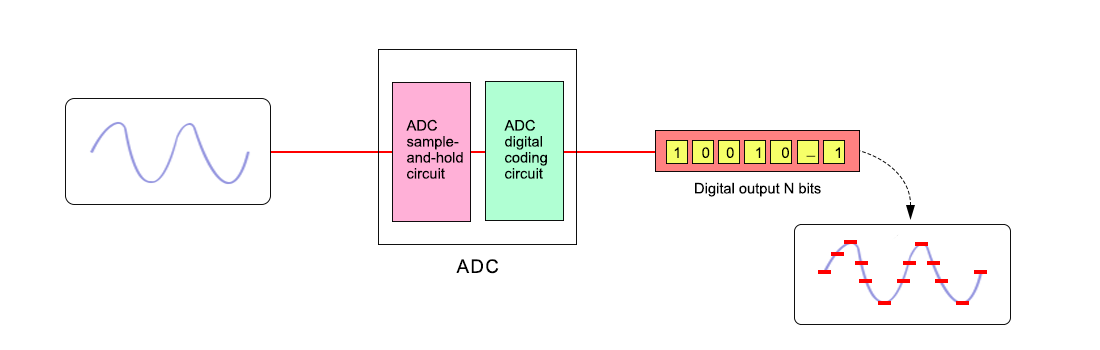
Digital cameras: Parses industrial communication protocols such as Camera Link, CoaXPress (CXP) and GigE Vision, completes physical interface and protocol translation, and outputs computer-readable image formats (e.g., RAW → RGB/YUV).
2. High-Speed Stable Transmission and Frame Loss Prevention
Provides a high-speed PCIe bus interface (e.g., PCIe x4/x8/x16) to match the bandwidth requirements of high-resolution/high-frame-rate cameras (12.5 Gbps per CXP-12 channel).
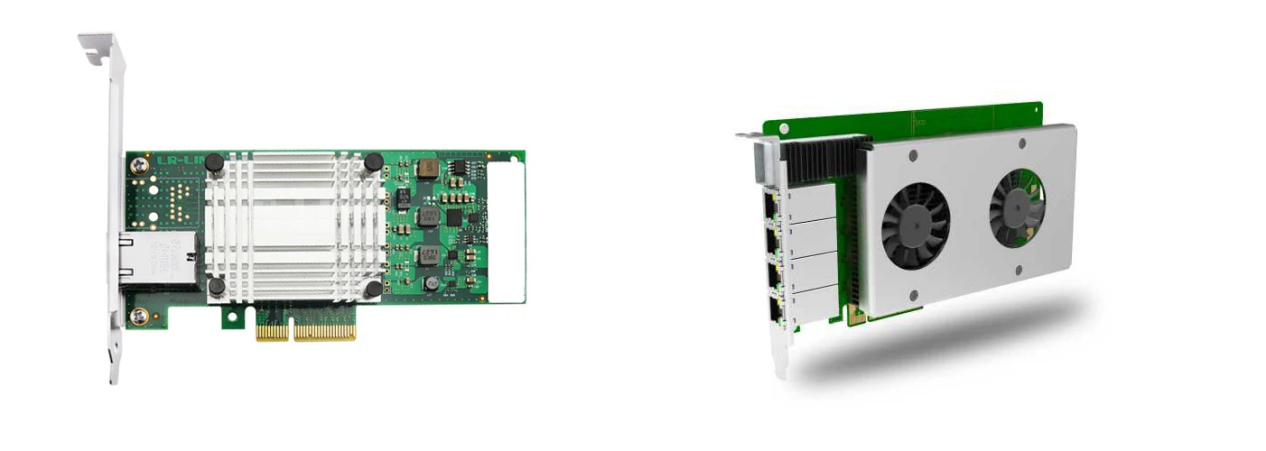
Equipped with on-board high-speed cache (DDR) to buffer the data rate mismatch between the camera and host, effectively preventing frame loss and image tearing.
Incorporates industrial-grade signal conditioning and isolation to resist EMI (Electromagnetic Interference), ensuring stable data transmission in harsh industrial environments.
3. Precise Timing Trigger (Hardware-Level)
Supports external triggering (e.g., photoelectric sensors, encoders), software triggering, and timed triggering with microsecond-level response latency.
Precisely controls the exposure timing and frame rate, suitable for high-speed motion detection (e.g., production line sorting, semiconductor measurement), achieving repeatable high-precision image capture.
4. Multi-Camera Synchronization and Coordination
Outputs a unified synchronization signal (e.g., PTP (Precision Time Protocol), GenLock) to realize synchronous exposure of multiple cameras, ensuring data consistency for stereo vision and 360° inspection.
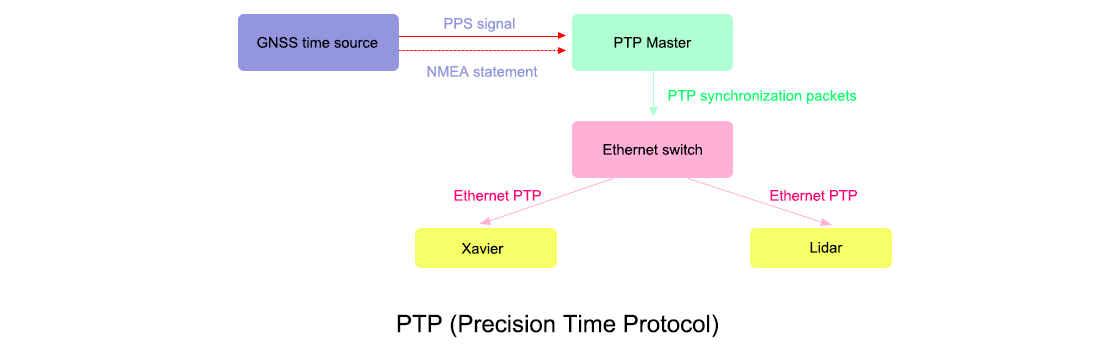
Supports multi-channel concurrent acquisition to meet the requirements of multi-view/multi-station parallel inspection.
5. Hardware Preprocessing (High-End Models)
Integrates FPGA/ASIC chips to perform hardware-accelerated processing including noise reduction, color correction, ROI (Region of Interest) cropping, and Bayer interpolation.
Reduces the load on the host CPU/GPU, and improves the real-time performance and throughput of the system (e.g., high-speed AOI inspection).
6. System Integration and Control
Provides digital I/O interfaces for seamless integration with PLCs and motion controllers, enabling a closed-loop workflow of "Acquisition - Analysis - Control".
Complies with the GenICam standard, ensuring compatibility with cameras from different manufacturers and simplifying system integration.
Supplement: When a Frame Grabber is Mandatory
For high-speed/high-resolution cameras (e.g., bandwidth 10 Gbps, frame rate 1000 fps) where standard Ethernet/USB interfaces are insufficient.
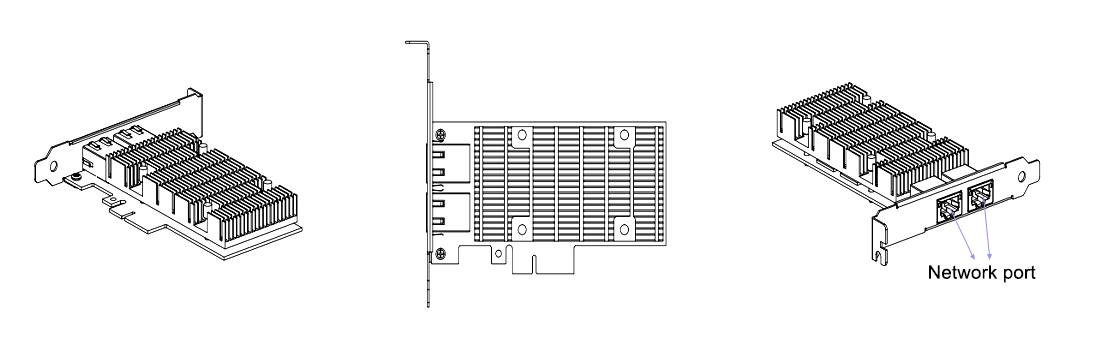
When microsecond-level triggering and synchronization is required (e.g., semiconductor inspection, robot guidance).
For multi-camera collaborative systems (e.g., stereo vision, multi-station parallel inspection).
In high-interference industrial environments that require hardware isolation for stable operation.