EN
EN


-
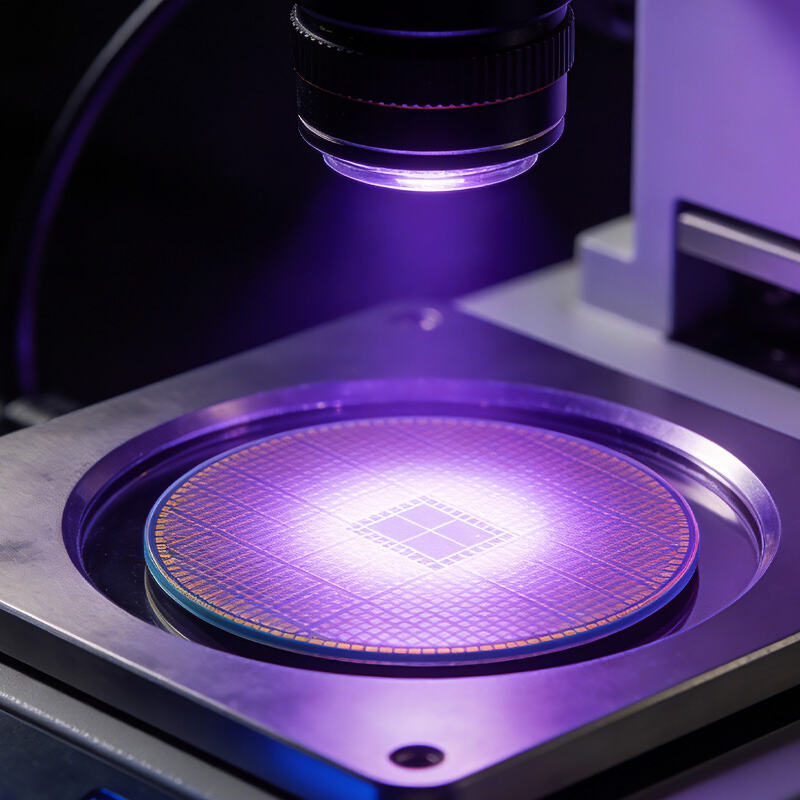
A Brief Introduction and Application Scenarios of UV Cameras
2026/01/14Many people have heard of "infrared cameras," but what functions do their counterparts, "ultraviolet (UV) cameras," have? In daily life, we often encounter problems that are "invisible to the naked eye"—trying to verify anti-counterfeit ...
-
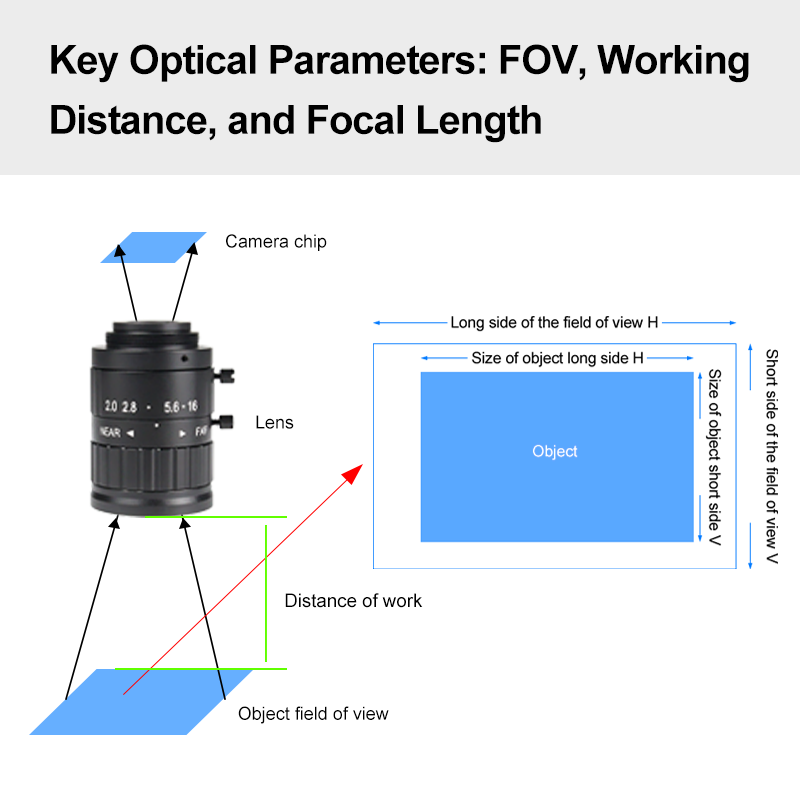
Machine Vision Lens Selection Guide for Industrial Applications
2026/01/13Struggling with blurry inspections or false rejects? Master FOV, working distance, sensor compatibility & MTF to choose the right industrial lens. Get precision results—download guide now.
-
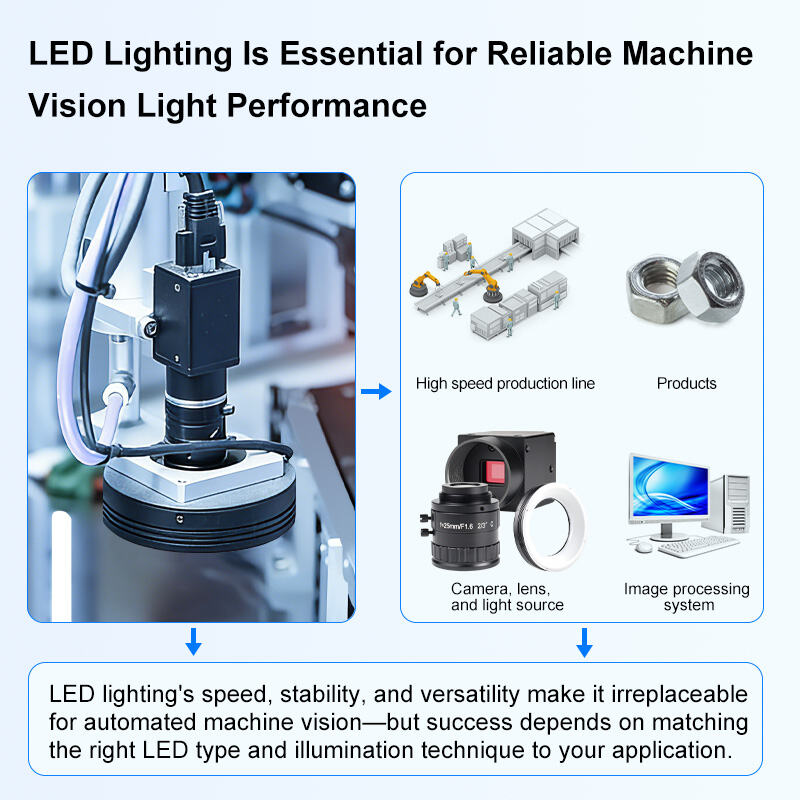
LED Machine Vision Lighting Guide for Automated Systems
2026/01/09Struggling with inspection errors in high-speed automation? Discover 5 proven LED lighting techniques that boost defect detection by 32% and eliminate motion blur. Optimize your machine vision accuracy now.
-
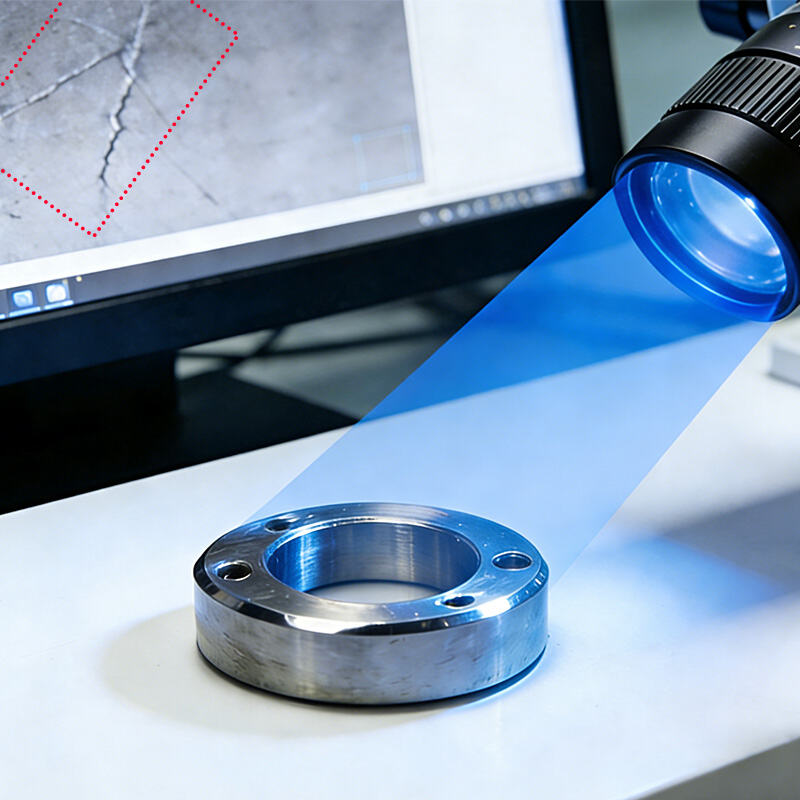
Application of Polarizers and Polarized Lights in Machine Vision Inspection Projects
2026/01/07Machine vision inspection is critical in intelligent manufacturing, but workpiece surface reflection, glare, and uneven illumination often degrade image quality and hinder accurate defect detection. Polarizers and polarized light sources, as key opti...
-
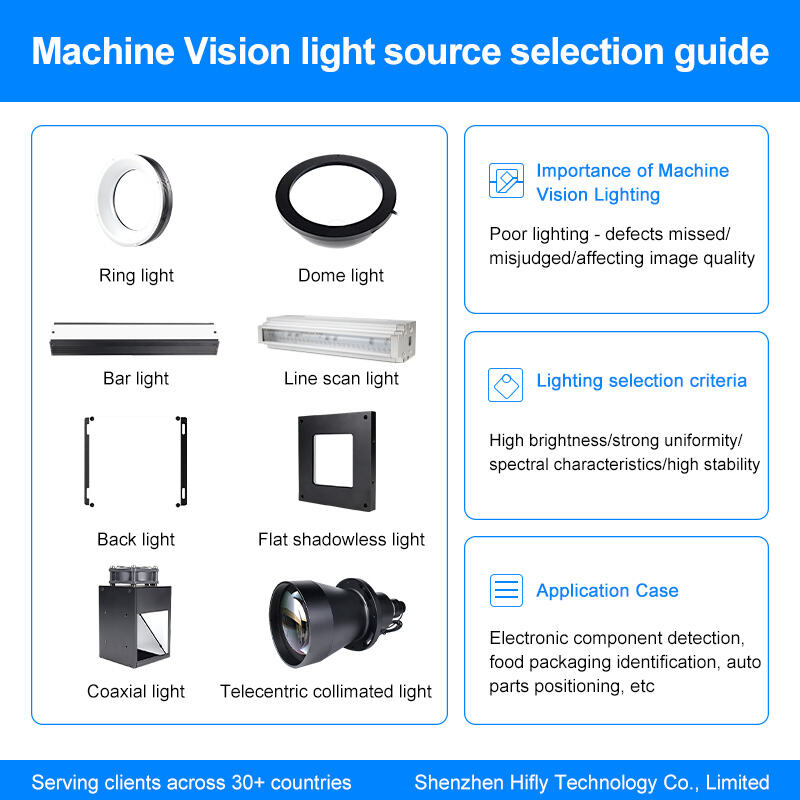
Machine Vision Light Types: How to Select the Best Illumination
2026/01/03Struggling with false rejects or missed defects? Discover how bar, dome, backlight & other machine vision lights boost contrast, SNR & ROI. Get industry-specific benchmarks & selection criteria.
-
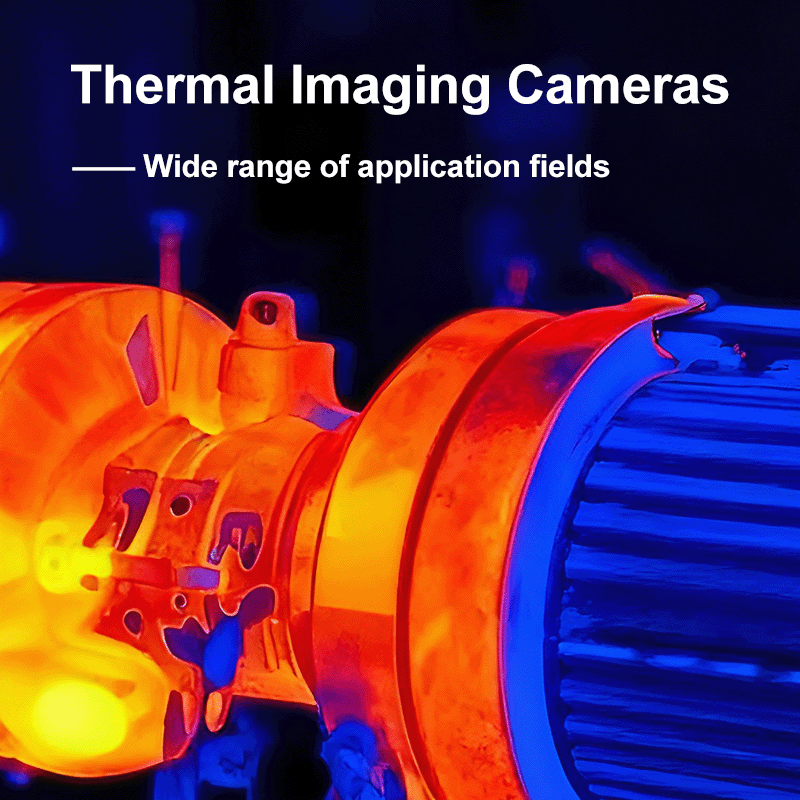
The Application Fields Of Thermal Imaging Cameras
2025/12/28The core function of a thermal imaging camera is to generate thermal images by detecting the infrared radiation emitted by objects, with applications covering four core areas: industrial testing, public security, medical and health care, and civilian...
-
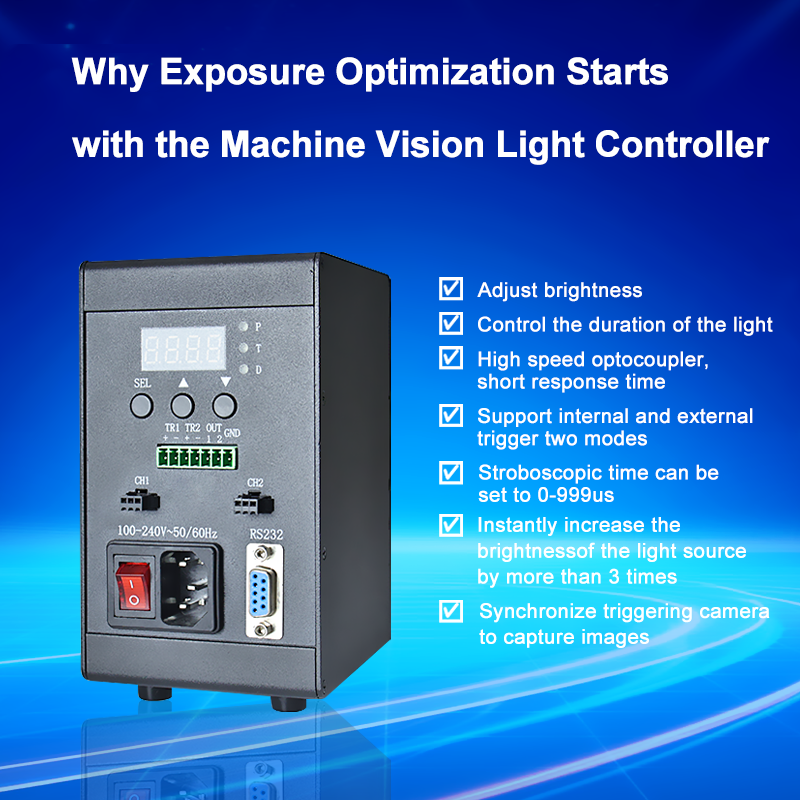
How to Optimize Exposure Using a Machine Vision Light Controller
2025/12/23Struggling with blurry images or poor contrast on fast production lines? Discover how machine vision light controllers boost exposure control, SNR, and defect detection—get actionable insights now.
-
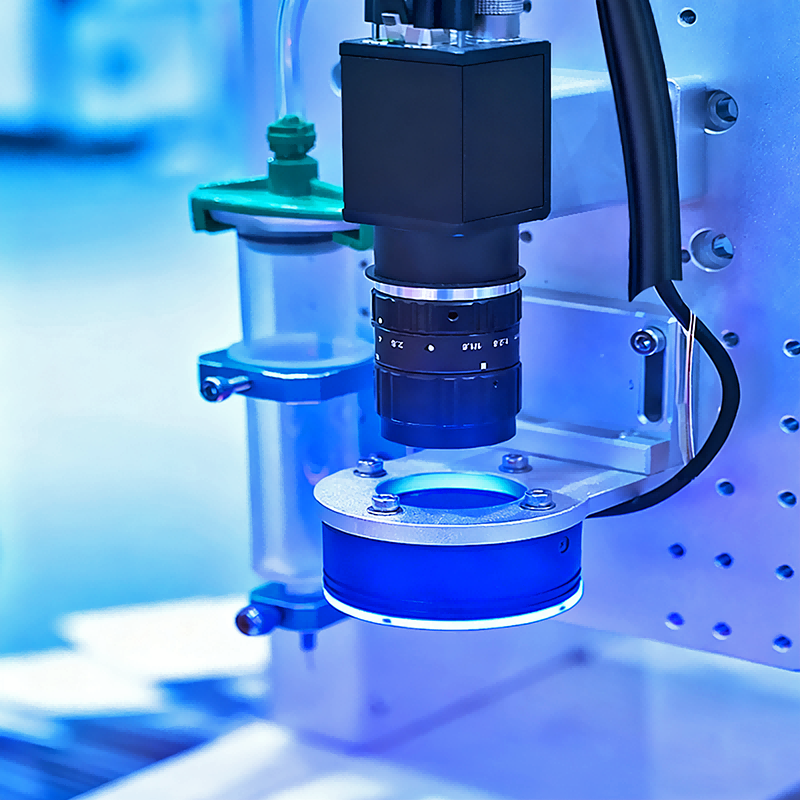
Why Has Machine Vision Become the Mainstream in Industrial Quality Inspection?
2025/12/21Someone may wonder, "Why has machine vision become the mainstream in industrial quality inspection?" Traditional manual inspection is often plagued by issues: inability to see minute defects, failure to keep up with high-speed production li...
-
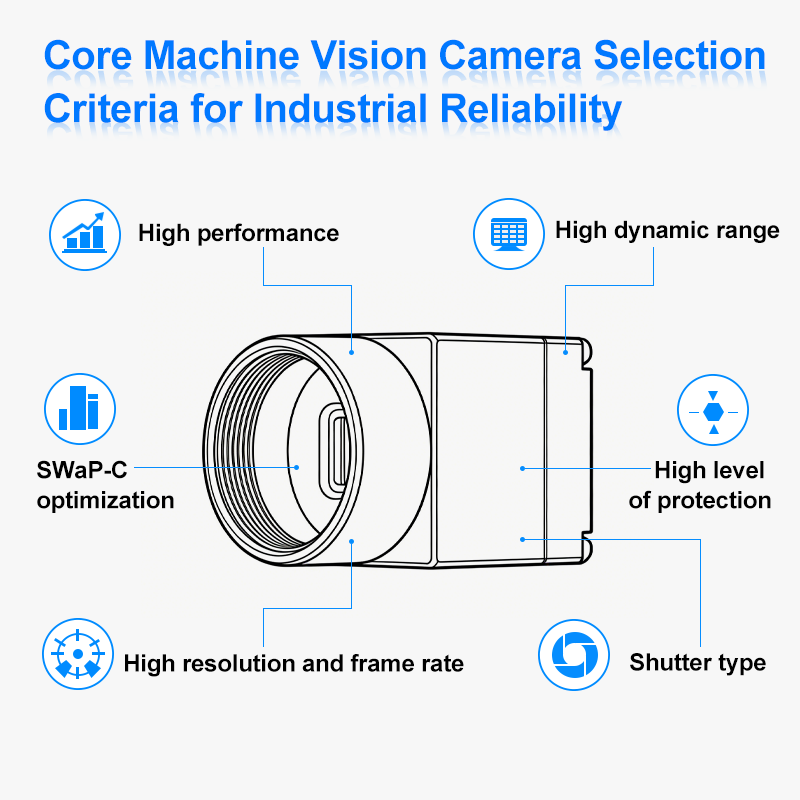
Machine Vision Camera Selection Tips for Factory Automation Engineers
2025/12/19Why consumer cameras fail in factories—and how industrial-grade machine vision cameras cut downtime by 78%. Get EMVA 1288, IP67, SWaP-C & shutter insights. Download checklist.
-
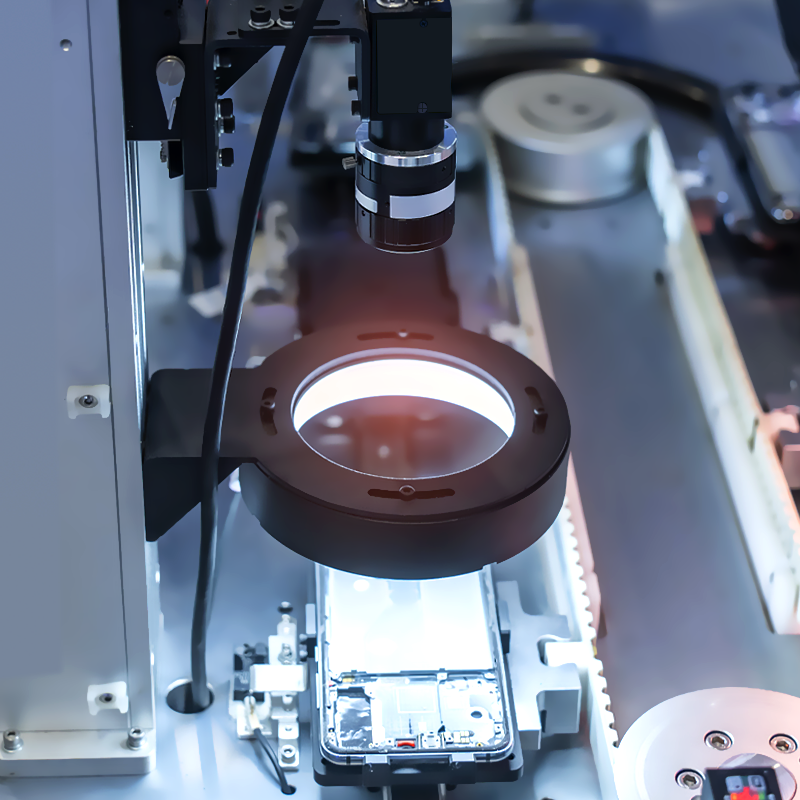
Machine Vision Camera vs. Industrial Camera: Key Differences Explained
2025/12/17Confused between machine vision and industrial cameras? Discover critical differences in triggering, precision, durability & ROI. Choose right for AOI, robot guidance, or harsh-environment monitoring.
-
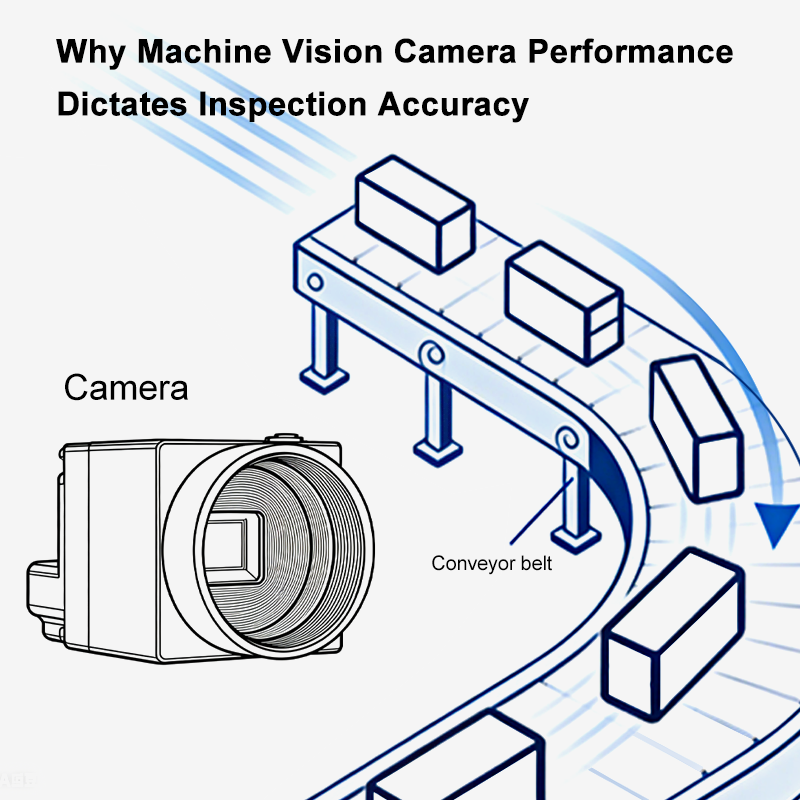
Best Machine Vision Camera Solutions for Automated Quality Control
2025/12/13Struggling with missed defects or motion blur? Discover high-speed, high-accuracy machine vision cameras for industrial quality control. Compare Basler, FLIR, Cognex & Keyence—get expert specs alignment + free consultation.
-
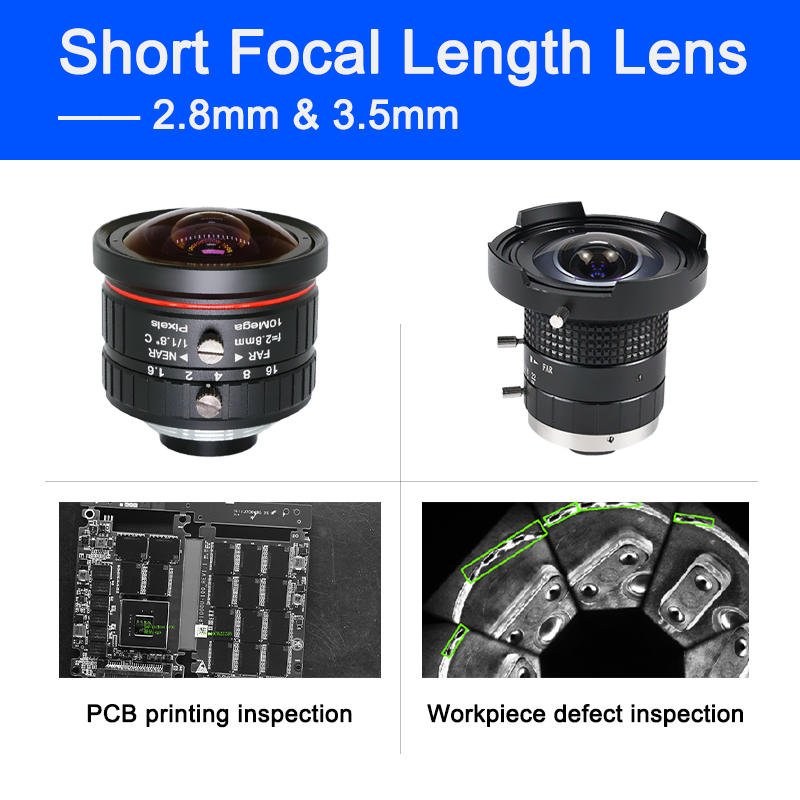
New Launch: Machine Vision FA Lenses with Ultra-Short Focal Lengths (2.8mm & 3.5mm)
2025/12/07We are thrilled to announce the official launch of our latest machine vision FA lenses, featuring two ultra-short focal length options: 2.8mm and 3.5mm. Designed to meet the growing demand for wide-angle imaging in industrial automation and machine v...